
Have you ever wondered why the amount of trash in your neighborhood seems to grow every day? Solid waste generation is more than just a simple byproduct of our daily lives.
It’s influenced by several factors that are often overlooked. Understanding these factors is crucial not only for managing waste efficiently but also for creating a cleaner and healthier environment for you and your family. We’ll delve into the surprising elements that impact how much waste we produce.
You’ll discover how your lifestyle choices, community habits, and even economic factors play a role in this growing concern. Stick around, because this knowledge could empower you to make changes that benefit both your home and the planet.
Sources Of Solid Waste
Residential contributionsare a major source of solid waste. Households produce waste like food scraps, packaging, and old items. This waste varies by family size and lifestyle.
Commercial and industrial wastecomes from shops, offices, and factories. It includes packaging, scrap materials, and discarded products. The amount depends on business type and production levels.
Construction and demolition debrisincludes wood, concrete, bricks, and metal. This waste is generated from building, repairing, or demolishing structures. It often requires special disposal methods.
Agricultural wasteconsists of crop residues, manure, and unused pesticides. Farms and plantations produce this waste during planting and harvesting. Proper management is important to avoid pollution.
Population Growth And Urbanization
Increasing populationleads to more solid waste production. More people mean more homes, food, and goods. This creates more garbagedaily. Cities grow fast, and waste grows too. Managing this waste becomes a big challenge.
Urban developmentchanges how waste is made and handled. New buildings and roads bring more trash. People buy more products and throw away more items. Waste types also change with city growth.
- More people use more resources.
- Urban areas produce more plastic and packaging waste.
- Waste collection services must expand to cover larger areas.
- Illegal dumping can increase if services lag behind growth.
Economic Factors
Income levelsgreatly influence the amount of solid waste generated. People with higher income tend to buy more products, leading to more waste. Lower income groups usually produce less waste due to limited consumption.
Richer households often use more packaging and disposable items. This increases waste from homes and businesses. In contrast, lower income areas may reuse items more, reducing waste.
- Higher income = more purchases = more waste
- Lower income = less consumption = less waste
- Waste types differ by income level
Industrializationboosts waste production through factories and industries. Factories create waste byproducts and packaging materials. Urban areas with many industries often have higher waste generation.
Industries also cause waste from production scraps and unused materials. This waste can be solid, liquid, or hazardous. Proper waste management is essential in industrial zones.

Credit: www.cureusjournals.com
Lifestyle And Consumer Behavior
Consumption trendsdirectly affect how much solid waste is made. People buy more goods than before. This means more trash from packages and old items.
Many products come in single-use packaging. Plastic bags, wrappers, and containers are used once and thrown away. This adds a lot to waste piles.
- More snacks and drinks come in disposable packs.
- Online shopping increases cardboard and plastic waste.
- Fast food uses many throwaway containers and utensils.
People often choose convenience over waste. This behavior raises solid waste generation. Changing buying habits can reduce this waste.
Government Policies And Regulations
Government policies shape how much solid waste is produced by setting rules for waste management and recycling. Strict regulations encourage less waste and better disposal methods, reducing environmental harm.
Waste Management Laws
Waste management lawscontrol how solid waste is created and handled. They set rules to reduce waste and protect the environment. These laws make sure that waste is collected, treated, and disposedsafely. Governments may limit the types of waste that industries can produce. Penalties encourage companies and people to follow the rules.
Recycling And Reduction Initiatives
Recycling programshelp lower the amount of waste sent to landfills. They encourage people to reuse materialslike paper, plastic, and metal. Reduction initiatives promote using less packaging and avoiding single-use products. These efforts save natural resources and reduce pollution.
Technological Advances
Waste processing technologieshelp reduce solid waste in many ways. Machines can sort, recycle, and break down waste faster than before. This lowers the amount sent to landfills. Technologies like compostingturn food scraps into useful soil. Incinerationburns waste to produce energy, cutting waste volume.
New materials also affect waste. Using biodegradableand reusableproducts means less trash. Companies try to use fewer plastics and more natural fibers. This helps waste break down faster in nature.
| Waste Processing Technologies | Impact |
|---|---|
| Sorting machines | Separate recyclables from trash |
| Composting | Turns organic waste into soil |
| Incineration | Burns waste to produce energy |
| Biodegradable materials | Break down quickly in environment |
| Reusable products | Reduce need for single-use items |
Environmental And Climatic Influences
Seasonal changescause shifts in the amount and type of waste. For example, during summer, more food and garden waste appear due to outdoor activities. Wintermay lead to increased waste from packaging and heating materials. These variations affect how much waste is created and managed.
Natural disasterslike floods, hurricanes, and earthquakes create sudden spikes in waste. Debris from damaged buildings, trees, and belongings increases solid waste drastically. Cleanup efforts generate large amounts of waste quickly. Such events challenge waste management systems to handle the surge effectively.
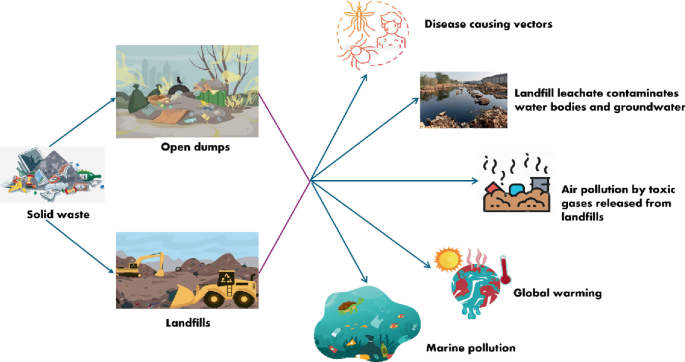
Credit: link.springer.com

Credit: link.springer.com
Frequently Asked Questions
What Are The Main Causes Of Solid Waste Generation?
Solid waste generation is mainly caused by population growth, urbanization, industrial activities, and consumption patterns. These factors increase waste production in households and businesses.
How Does Urbanization Influence Solid Waste Production?
Urbanization leads to higher population density and more consumption. This results in increased waste generation from residential, commercial, and institutional sources.
Why Does Industrialization Increase Solid Waste?
Industrialization creates large amounts of waste through manufacturing processes, packaging, and by-products. It contributes significantly to solid waste volumes globally.
How Do Consumer Habits Affect Solid Waste Levels?
Consumer habits like excessive packaging, disposable products, and overconsumption increase waste. Sustainable choices can reduce the overall solid waste generated.
Conclusion
Solid waste generation depends on many key factors. Population size directly affects how much waste we create. Our lifestyle and habits change the type and amount of trash. Economic growth often leads to more consumption and waste. Urban areas tend to produce more waste than rural ones.
Weather and seasons can also influence waste levels. Understanding these factors helps us manage waste better. We all play a role in reducing waste every day. Simple actions can make a big difference for the environment.