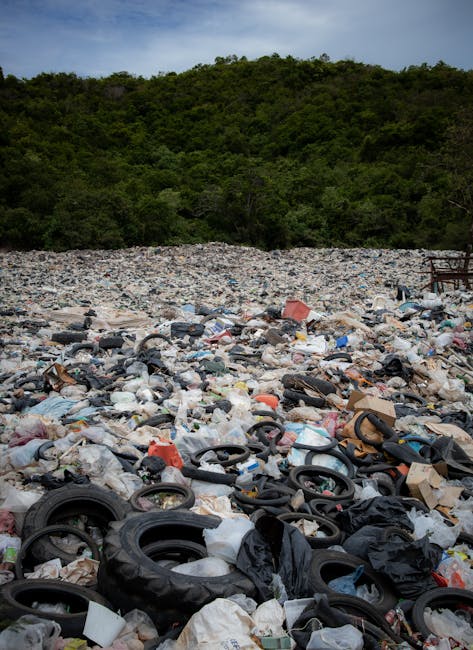
Have you ever wondered why managing solid waste can be such a complex task? It’s more than just tossing trash into a bin.
The factors influencing solid waste generation and its management are varied and impactful, and they touch every aspect of your daily life. Whether you’re at home, work, or school, the choices you make directly affect how waste is managed in your community.
Understanding these factors can empower you to make better decisions and contribute to a cleaner, more sustainable world. So, are you ready to dive into the key influences behind solid waste management and discover how you can make a difference? Keep reading to uncover the hidden dynamics at play and learn actionable steps you can take today.

Credit: link.springer.com
Types Of Solid Waste
Municipal wasteincludes everyday trash from homes, schools, and offices. It has food scraps, paper, plastics, and glass. Managing this waste keeps cities clean and safe.
Industrial wastecomes from factories and plants. It can be solid, liquid, or gas. Proper handling is important to avoid harm to people and nature.
Hazardous wasteis dangerous to health and environment. It includes chemicals, batteries, and paints. Special care is needed to store and dispose of it safely.
Biomedical wastecomes from hospitals and clinics. It has used needles, bandages, and medicines. Proper disposal prevents infections and protects health workers.

Credit: link.springer.com
Population Growth And Urbanization
Population growthleads to more waste as more people live in cities. Urbanizationmeans more houses, shops, and industries. This increases the total amount of solid waste produced daily.
The impact on waste volumeis significant. More people produce more garbage, including food scraps, packaging, and plastic. Cities face challenges in handling this large waste volume efficiently.
Challenges in urban waste managementinclude:
- Limited space for waste disposal sites
- Higher costs of collection and transportation
- Increased risk of pollution and health hazards
- Need for better recycling and waste reduction methods
Economic Development
Economic growth affects how much waste people produce and how it is managed. Urbanization, income levels, and consumption habits play key roles in solid waste generation and disposal methods. Understanding these factors helps improve waste management strategies.
Consumption Patterns
Economic growthchanges how people buy and use goods. People buy more products and use more packaging. This leads to more wastein homes and businesses. Richer communities often produce more solid waste. Waste types also change, with more plastics and electronics.
Industrialization Effects
Factories and industries create large amounts of solid waste. Industrial waste includes chemicals, metals, and other materials. Rapid industrial growth means more waste to manage. Waste from industries can harm the environment if not handled well. Proper waste managementsystems are needed to reduce risks.

Credit: www.cureusjournals.com
Lifestyle And Cultural Practices
Waste generation habitsdepend on daily choices and routines. People who buy more packaged goods create more waste. Eating habits also affect waste; fresh food often leads to less trash than processed food. Households that use disposable items add to the waste pile quickly. Urban areas usually produce more waste than rural ones due to lifestyle differences. Cultural events and festivals can cause sudden increases in waste. Waste sorting at home helps reduce the load on landfills.
Recycling and reuse trendsvary across communities. In some places, recycling is common and well-supported by local laws. Others may lack facilities or awareness, causing lower recycling rates. Reusing items like bags, containers, and clothes lowers waste generation. Schools and community programs help teach recycling habits. Markets for recycled goods encourage people to recycle more. Simple acts, like repairing broken items, reduce waste and save money.
Technological Advances
Technological advances shape how solid waste is managed by improving collection and recycling methods. Factors like population growth, urbanization, and consumption patterns also affect waste generation and management strategies.
Waste Treatment Innovations
New technologies help treat waste faster and cleaner. Methods like compostingturn organic waste into useful soil. Incinerationreduces waste volume and can generate energy. Recycling techniquesimprove recovery of materials like plastics and metals. These innovations lower pollution and save resources. They make waste management more effective and less harmful.
Smart Waste Management Systems
Smart systems use sensorsand datato track waste levels. They help plan collection routesefficiently, saving fuel and time. These systems notify when bins are full, avoiding overflow. They support better decision-making for cities and companies. Smart waste management keeps places cleaner and reduces costs.
Policy And Regulatory Frameworks
Government regulationsset clear rules for solid waste management. They help control how waste is collected, treated, and disposed of. These rules aim to protect the environment and public health.
Enforcementensures that laws are followed. Agencies monitor waste management activities and check compliance. Penalties are given to those who break the rules.
- Clear laws guide waste sorting and recycling.
- Regular inspections ensure proper waste handling.
- Fines discourage illegal dumping and pollution.
- Public awareness campaigns support regulation goals.
Strong compliancecreates safer communities. It also reduces waste problems and pollution risks.
Environmental And Climatic Factors
Environmental and climatic factors affect the amount and type of solid waste generated. Weather conditions like rain or drought can change waste production and management needs. These factors influence how waste breaks down and the methods used for disposal.
Seasonal Variations
Waste amounts change with seasons.For example, summer often brings more organic wastelike leaves and garden clippings. Winter might see less waste due to reduced outdoor activity. Holidays and festivals in certain seasons increase packaging waste and food leftovers. These patterns affect how waste is collected and managed in different periods.
Natural Disasters Impact
Natural disasters cause sudden spikes in waste.Events like floods, storms, or earthquakes produce debris and damaged materials. This waste needs quick and special handling to avoid health risks. Cleanup after disasters is challenging and demands extra resources. Waste management systems must be ready for these unexpected surges.
Public Awareness And Education
Community engagementplays a key role in managing solid waste. People feel more responsible when they join local clean-up events or recycling programs. This creates a sense of ownership and pride in their surroundings.
Behavioral change initiativeshelp people learn new habits. Simple actions like sorting trash or reducing waste can make a big difference. Schools, groups, and leaders often run these programs to encourage good practices.
- Workshops to teach waste sorting
- Campaigns to reduce plastic use
- Group activities for neighborhood cleaning
- Incentives for recycling participation
These efforts increase public awarenessand support better waste management in communities.
Infrastructure And Resource Availability
Collection and transportation systemsplay a key role in managing solid waste. Efficient systems reduce waste buildup and keep areas clean. They include regular pickup schedules, proper vehicles, and trained staff. Good routes save time and fuel. Poor systems cause delays and litter problems.
Processing and disposal facilitiesmust be available and well-maintained. These facilities handle waste sorting, recycling, composting, and final disposal. Without enough facilities, waste piles up, causing health risks. Proper locations and technology help manage waste better. Safe landfills prevent pollution and protect the environment.
Frequently Asked Questions
What Factors Influence Solid Waste Generation Rates?
Population size, economic activities, lifestyle, and urbanization mainly influence waste generation rates. Higher income and consumption increase waste production. Seasonal changes and industrial growth also impact waste amounts, requiring adaptive waste management strategies.
How Does Urbanization Affect Solid Waste Management?
Urbanization increases waste volume due to denser populations and commercial activities. It demands efficient collection, recycling, and disposal systems. Poor planning can lead to environmental issues, making urban waste management a critical challenge for cities.
Why Is Economic Development Linked To Waste Generation?
Economic growth boosts consumerism, leading to more packaging and disposable products. Industrial expansion generates industrial waste. Wealthier societies produce more solid waste, necessitating advanced management methods to handle increased waste sustainably.
How Do Lifestyle Changes Impact Waste Production?
Modern lifestyles promote packaged goods, single-use items, and electronic waste. Dietary habits also affect organic waste amounts. Awareness and behavior change can reduce waste, highlighting the role of education in waste management.
Conclusion
Solid waste management depends on many key factors. Population size and urban growth raise waste amounts. People’s habits and economic activities affect waste types. Proper planning and public awareness help control waste better. Technology and policies also play important roles.
Understanding these factors guides better waste handling. Everyone’s effort matters to keep our environment clean. Small changes can lead to big improvements. Waste management is a shared responsibility for a healthier future.