Imagine a stormy night. The wind howls outside, and suddenly, your home plunges into darkness.
In moments like these, having a reliable backup power system is priceless. But with technology evolving rapidly, what are the latest trends in home backup power? You’re about to discover the cutting-edge innovations that can keep your home running smoothly, even during the most unpredictable power outages.
This isn’t just about keeping the lights on—it’s about safeguarding your peace of mind. Dive in, and learn how the newest advancements can transform your home’s resilience and secure your family’s comfort. Stay with us as we explore the top trends that could revolutionize the way you think about power backup.
Solar Power Integration
Solar panels are becoming more efficientand affordable. Newer panels capture more sunlight. This means more energy for your home. Some panels now work in low light. This helps in cloudy weather. Panels are also getting thinner. They fit better on roofs. This makes them easier to install. These improvements help homes save more energy.
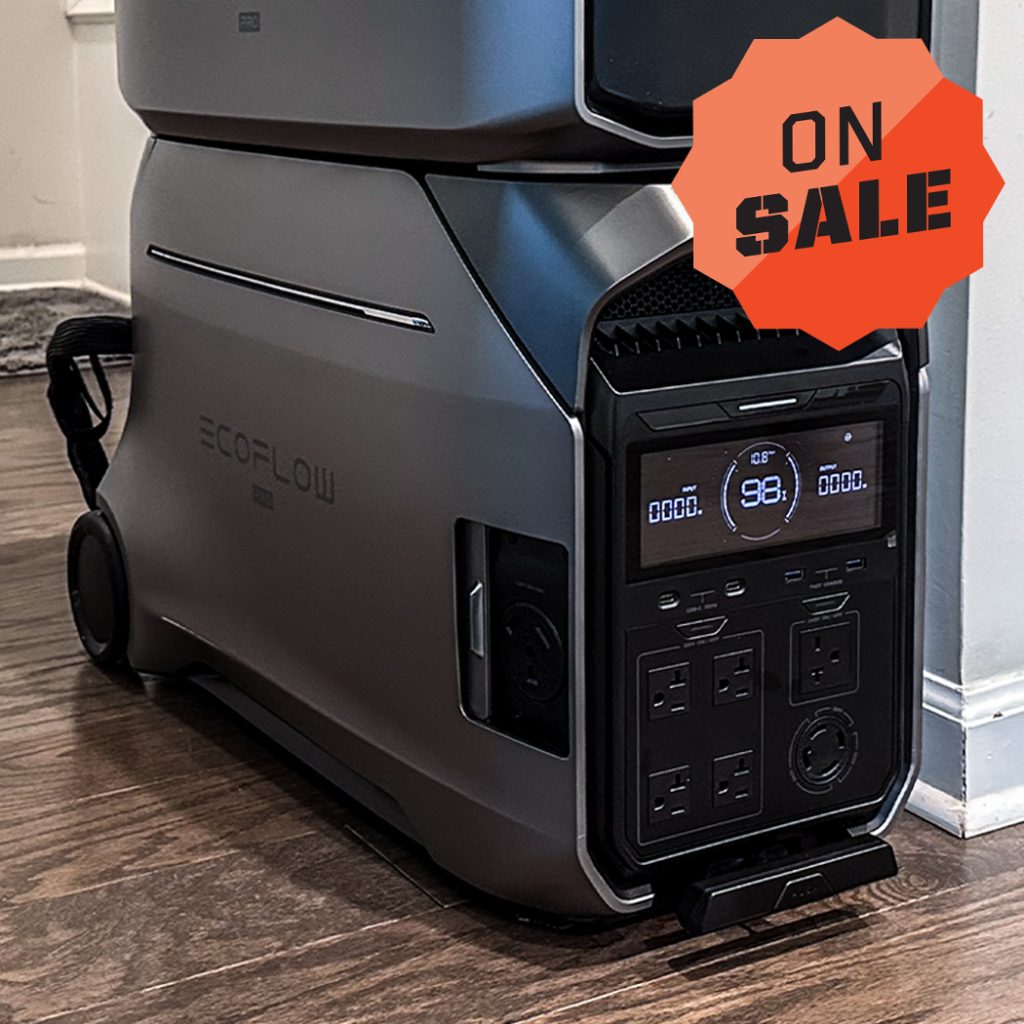
Battery storage helps keep solar energy. It saves power for later use. This is useful at night or on cloudy days. Modern batteries are more powerfuland last longer. They can store energy for many hours. Some batteries are small and fit in tight spaces. This makes them good for small homes. With better batteries, homes can use solar power anytime.

Credit: ca.ecoflow.com
Smart Generators
Smart generators are evolving with technology to offer efficient and reliable home backup power solutions. Integration with renewable energy sources and smart home systems enhances their functionality. Increasingly, users seek eco-friendly options that provide seamless power during outages while reducing environmental impact.
Iot Connectivity
Smart generators now come with IoT connectivity. They connect to the internet easily. This helps in tracking and managing them. Users can see power status on their phones. It allows for quick response to power needs. Instant alertsare sent for any issues. This makes power management simple.
Remote Monitoring
Remote monitoring lets users check their generators from far away. Information about the generator is available on apps. Users can see fuel levels and battery status. Alertshelp in maintaining efficiency. Generators can be controlled from any location. This makes it easy to ensure power is available.
Hybrid Systems
Hybrid systems are advancing in home backup power trends. Solar panels paired with batteries offer reliable energy during outages. Smart systems manage power use efficiently, reducing dependence on the grid.
Combining Solar And Wind
Solar and wind are popular energy sources. Combining them gives more power. Solar panels work best in sunlight. Wind turbines work when it’s windy. Together, they make energy all the time. This mix helps when one source is low. For example, at night, there’s no sun. But wind might blow. During the day, if wind stops, solar can help. This way, homes always have power.
Efficiency Improvements
New technology makes power systems better. Solar panels are thinner and lighter now. They also capture more sunlight. Wind turbines are quieter and work in low wind. These improvements mean more power for homes. With less space and noise. Batteries store extra energy for later. So, homes have power even when sun or wind stops. Better efficiency means less energy waste.
Portable Power Options
Solar-powered generators and compact battery storage systems are gaining popularity for home backup power. These options offer eco-friendly and efficient energy solutions during outages. Smart technology integration further enhances their usability and control.
Compact Designs
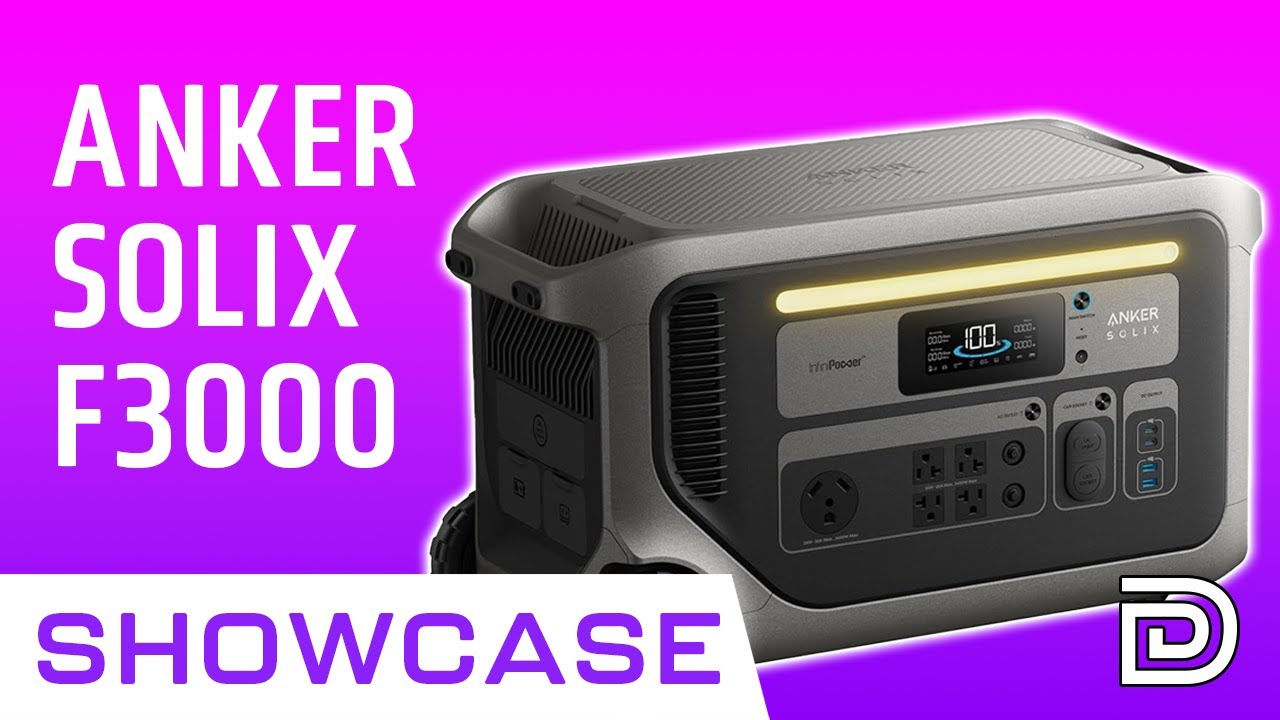
Portable power devices are becoming more popular. People love their compact designs. These devices are easy to carry and store. They fit in small spaces at home. This makes them very handy. Their lightweight nature is a big plus. You can move them around without much effort. Many models have handles for easy transport. Some even have wheels, making them easier to move around.
Versatile Usage
Portable power options are very versatile. They can charge phones and run small appliances. Some even power toolsduring power outages. Many have outlets for different devices. You can use them indoors or outdoors. This makes them perfect for camping trips. They are also useful in emergencies. You get peace of mind knowing you have backup power.
Sustainability Focus
Sustainability Focus explores the latest trends in home backup power. Solar panels and battery storage lead the way, offering clean energy solutions. Smart generators and hybrid systems also gain popularity for their efficiency and reliability during power outages.
Eco-friendly Materials
Home backup power systems now use eco-friendly materials. These materials help protect our planet. They reduce waste and last longer. Many systems use recycled components. This cuts down on new resource use. Solar panels, for instance, often use recycled silicon. This keeps old products out of landfills.
Reducing Carbon Footprint
Reducing the carbon footprint is important. Many backup power systems now use clean energy. Solar and wind power are great examples. They do not pollute the air. Using these systems means less carbon dioxide. This helps slow down climate change. Some systems even store excess energy. This stored energy can be used later. It makes the system more efficient.
Credit: www.youtube.com
Emerging Technologies
Fuel cells are becoming popular for home backup power. They create electricity using chemical reactions. This process is clean and quiet. Fuel cells use hydrogen as fuel. Hydrogen is found in water and other sources. This makes it easy to get. Many people like fuel cells because they do not pollute. They provide reliable power for homes. Some fuel cells can work for days without stopping.
Microgrids help homes keep power during outages. They work like small electric networks. These networks can use solar panels or wind turbines. Microgrids store energy in batteries. This stored energy is used when the main grid fails. Microgrids can be shared by neighbors. This makes them cost-effective and efficient. They give homes more control over their power usage.

Credit: www.zdnet.com
Frequently Asked Questions
What Is The Latest Powerwall?
Tesla’s latest Powerwall is the Powerwall 2. It offers 13. 5 kWh energy capacity. It is designed for residential use, providing backup power and energy efficiency. Powerwall 2 integrates with solar panels, storing excess energy for later use. It is compact, easy to install, and connects via the Tesla app.
How Long Does Back Up Power Last?
Backup power duration varies by system type and size. Typical generators last 8-24 hours on a full tank. UPS systems provide power for minutes to a few hours. Solar battery backups can last several hours to days, depending on battery capacity and usage.
Always check your specific system’s specifications.
What Are The Trends In Power System?
Power systems trends include renewable energy integration, smart grids, energy storage advancements, and increased digitalization. Demand for sustainable solutions is rising, while AI optimizes energy management. Electric vehicles influence grid dynamics, pushing innovation in infrastructure. Blockchain technology enhances transparency and security in energy transactions.
These trends drive efficiency and sustainability in modern power systems.
How Much Does A Backup Power System Cost?
Backup power systems typically range from $500 to $20,000 depending on capacity and features. Smaller generators cost less, while large, solar-integrated systems are pricier. Installation adds to costs. Assess your needs to determine the best solution for your budget. Consider long-term savings and reliability when choosing a system.
Conclusion
Exploring home backup power trends is essential for modern living. Solar energy gains popularity, offering sustainable solutions. Portable generators provide flexibility during outages. Smart technology integration enhances energy management. Battery storage systems become more efficient and affordable. Diverse options fit different needs and budgets.
Staying informed ensures you choose the best solution for your home. Embrace these trends to secure your power needs. Protect your home from unexpected disruptions. Stay powered, stay safe. Investing in the right backup system pays off. Enjoy peace of mind with reliable energy solutions.
Stay ahead with the latest in home backup power.