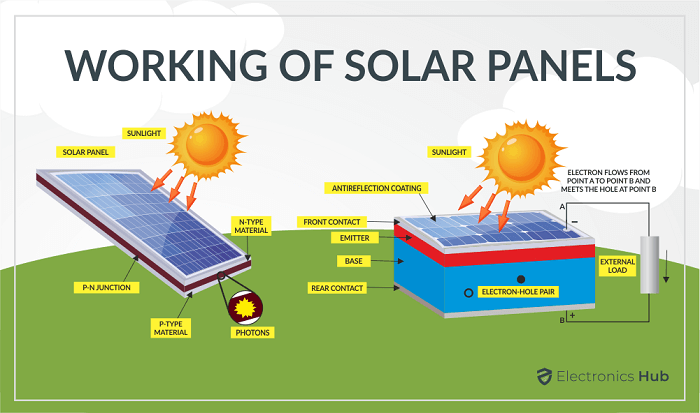
Are you curious about how to harness the power of the sun and turn it into usable energy for your home or business? Solar energy is not just a trend; it’s a sustainable solution to rising energy costs and environmental concerns.
But before you dive into the world of solar panels and renewable energy, it’s crucial to understand what you’ll need to get started. You’ll discover the essential components required for generating solar energy. By the end, you’ll be equipped with the knowledge to make informed decisions about your solar energy journey.
Get ready to unlock the potential of the sun and power your world sustainably. Let’s dive in!

Credit: solarsme.com
Solar Panels
Solar panels come in different types. The main types are monocrystalline, polycrystalline, and thin-film. Monocrystalline panels are made from a single crystal. They are more efficientbut cost more. Polycrystalline panels have multiple crystals and are less expensive. Thin-film panels are lightweightand flexible but have lower efficiency.
Choosing the right panel depends on your budgetand space. Monocrystalline panels work best for small areasbecause they produce more power. Polycrystalline panels suit larger spaceswith a lower budget. Thin-film panels are good for unusual shapesor portable setups.
| Panel Type | Efficiency | Cost | Best Use |
|---|---|---|---|
| Monocrystalline | High (15%-20%) | High | Limited space, high power need |
| Polycrystalline | Medium (13%-16%) | Medium | Larger spaces, moderate budget |
| Thin-film | Low (10%-12%) | Low | Flexible, portable, low power |
Credit: medium.com
Inverters
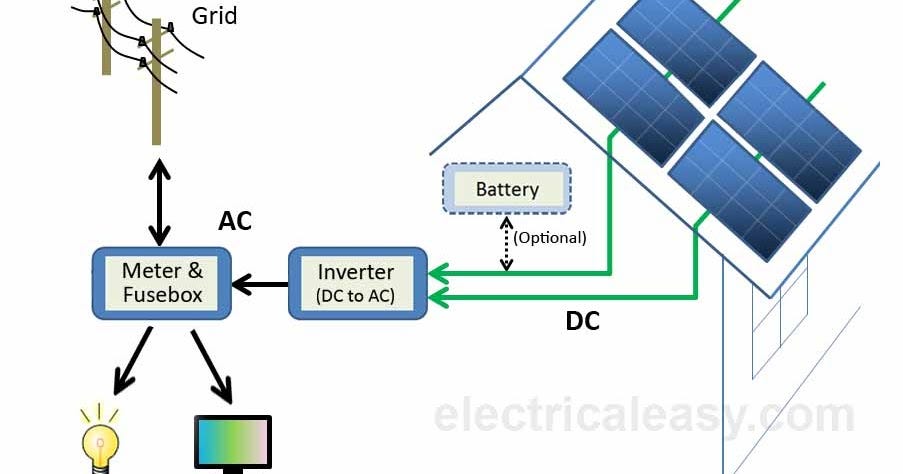
Inverters change the direct current (DC) from solar panels into alternating current (AC) for home use. They are essential for powering everyday appliances safely and efficiently. Without inverters, solar energy cannot be used in most household devices.
Role Of Inverters
Invertersare crucial for solar energy systems. They convertthe DC electricity from solar panels into AC electricity. AC electricity powers homes and businesses. Without inverters, solar energy cannot be used in most electrical devices. They also help manageelectricity flow and improve system safety.
Types Of Inverters
- String Inverters:Connect many panels in a series. Cost-effective and common.
- Microinverters:Installed on each panel. Increase efficiency but cost more.
- Hybrid Inverters:Work with batteries. Store energy for use when needed.
Selecting The Best Inverter
Choose an inverter based on system size and budget. Look for efficiencyand warranty. Check if it matches panel capacity. Consider future expansion options. Reliable brands often offer better support and durability.
Mounting Systems
Fixed mountshold solar panels in one position. They are simple and cost less. These mounts work well if the sun moves mostly in the same path every day.
Tracking mountsfollow the sun’s path. They can move panels to catch more sunlight. This helps to get more energy but costs more and needs more space.
Choosing the right mount depends on space, budget, and energy needs. Fixed mounts are easier to install and maintain. Tracking mounts need more care but produce more power.
Installation tips:
- Check the roof or ground for strong support.
- Keep panels clear of shadows from trees or buildings.
- Make sure mounts are angled to catch maximum sunlight.
- Use durable materials to withstand weather conditions.

Credit: www.varistorsolar.com
Batteries And Storage
Energy storageis key for solar power use at any time. It keeps power for night or cloudy days. Without storage, solar energy is only useful when the sun shines.
There are different battery typesfor solar systems:
- Lead-acid batteries:Cheap but heavy and need regular care.
- Lithium-ion batteries:Light, last longer, but cost more.
- Nickel-based batteries:Less common, good for specific uses.
Sizing your battery bankmeans choosing the right size. It depends on how much energy you use and want to store. A bigger battery bank stores more power but costs more. Smaller banks save money but may run out of energy quickly.
Charge Controllers
Charge controllersare key parts of a solar power system. They regulate the powergoing from solar panels to batteries. This stops batteries from getting too full or too empty. They also help batteries last longer by preventing damage.
Two main types of charge controllers exist:
- MPPT (Maximum Power Point Tracking)controllers are more efficient. They adjust to the best power output from solar panels. This means more energyis stored in the battery.
- PWM (Pulse Width Modulation)controllers are simpler and cheaper. They work well with small systems but can waste some power.
| Feature | MPPT Controller | PWM Controller |
|---|---|---|
| Efficiency | High (up to 30% more energy) | Lower |
| Cost | Higher | Lower |
| Best Use | Large systems, cold climates | Small systems, warm climates |
Wiring And Electrical Components
Types of wiringused in solar systems include copper and aluminum wires. Copper wires offer better conductivity and durability. Aluminum wires are lighter and cost less but need careful handling.
Safety measuresare vital to avoid electrical hazards. Use insulated wires to prevent shocks. Keep wiring away from water and heat sources. Always turn off power before working on the system.
Connectors and fusesensure proper connections and protect the system. MC4 connectors are common for solar panels. Fuses stop overloads and short circuits. Choose fuses with correct ratings for safety.
Site Assessment
Sunlight exposureis key for good solar energy. The site must get direct sunlightmost of the day. Shadows from trees, buildings, or other objects can cut the energy produced.
Shading analysishelps find areas where shadows fall. Even small shadows on panels can lower power. It’s important to check sunlight at different times and seasons.
Enough roof or ground spaceis needed to install solar panels. The area should be flat or slightly tilted. Roof strength and angle also matter for panel fitting.
Permits And Regulations
Before installing solar panels, check local building codes. These rules ensure the system is safe and fits the area. Different places have different rules about how and where panels can be installed.
Permits are usually needed. They help confirm your solar setup meets legal and safety standards. Skipping permits can cause fines or delays.
| Incentives | Description |
|---|---|
| Tax Credits | Reduce the amount you owe in taxes for using solar energy. |
| Rebates | Cash back from government or utility companies for installing solar panels. |
| Grants | Money given to help cover solar installation costs without repayment. |
These incentives make solar energy more affordable. Always check available programsin your area before starting.
Maintenance Essentials
Solar panels must stay cleanfor best energy output. Dust, dirt, and leaves block sunlight. Use water and a soft brush to clean panels gently. Avoid harsh chemicals and strong pressure.
System monitoringhelps track energy production and spot issues early. Many systems include apps or devices that show real-time data. Check your system often to ensure it works well.
Troubleshooting common issuessaves time and money. Look for loose wires, broken panels, or shading problems. Resetting the inverter can fix some errors. Call a professional if problems continue.
Frequently Asked Questions
What Essential Equipment Is Needed For Solar Energy Generation?
To generate solar energy, you need solar panels, an inverter, a battery storage system, and a charge controller. These components work together to capture, convert, store, and manage solar power effectively for your energy needs.
How Do Solar Panels Contribute To Energy Generation?
Solar panels capture sunlight and convert it into direct current (DC) electricity. Their efficiency depends on the quality of materials, sunlight exposure, and installation angle, making them the core component for generating solar energy.
Is A Battery Necessary For Solar Power Systems?
A battery stores excess solar energy for use during cloudy days or nighttime. While not mandatory for grid-tied systems, batteries ensure power availability and improve energy independence in off-grid setups.
Why Is An Inverter Required In Solar Energy Systems?
An inverter converts direct current (DC) from solar panels into alternating current (AC), which powers household appliances. It’s essential for making solar energy compatible with standard electrical devices.
Conclusion
Solar energy needs a few key parts to work well. Solar panels catch sunlight and change it to power. A charge controller keeps the battery safe. Batteries store energy for use at night or cloudy days. An inverter changes power to run home devices.
These parts work together to make clean energy. Using solar power helps save money and protects the earth. Simple tools, smart choices, and some effort bring bright solar benefits. Start small, learn, and enjoy the power of the sun.