Are you curious about how solar cells have evolved to capture the sun’s energy more efficiently? Understanding the three generations of solar cells can open your eyes to the amazing progress in solar technology.
This knowledge isn’t just for experts—it can help you make smarter choices if you’re thinking about using solar power for your home or business. Keep reading, and you’ll discover how each generation works, what makes them unique, and why it matters for your energy future.
By the end, you’ll be equipped to see solar energy in a whole new light.
First Generation Solar Cells
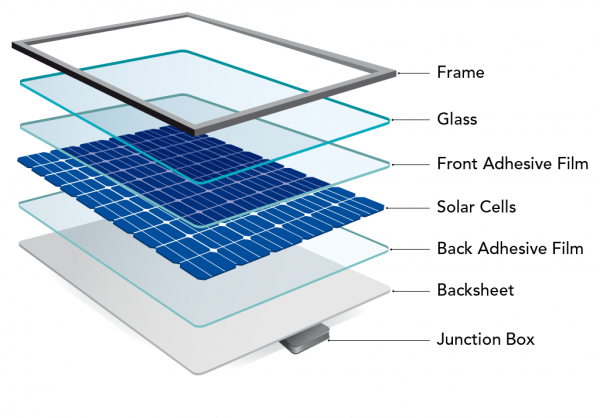
Crystalline silicon technologyforms the base of first generation solar cells. These cells use silicon wafers to convert sunlight into electricity. They are known for their high efficiencycompared to other types.
Advantages:
- Reliableand long-lasting performance.
- Well-established technology with proven results.
- Good efficiency, often between 15% and 20%.
Limitations:
- Silicon wafers are expensiveto produce.
- Manufacturing uses a lot of energy.
- Rigid and heavy, less flexible for some uses.
Common applicationsinclude:
- Residential rooftops to power homes.
- Commercial buildings for electricity savings.
- Large solar farms for grid energy production.
Second Generation Solar Cells
Thin-film solar cellsuse very thin layers of photovoltaic material. They are lighter and more flexible than traditional solar cells. This makes them useful for many surfaces where heavy panels won’t fit.
| Materials Used | Performance | Cost Benefits |
|---|---|---|
| Amorphous Silicon (a-Si) | Lower efficiency but good in low light | Cheaper to make and install |
| Cadmium Telluride (CdTe) | Higher efficiency, stable output | Low production cost |
| Copper Indium Gallium Selenide (CIGS) | High efficiency and flexible | Costs less than silicon panels |
Thin-film solar cells work well in many weather conditions. They cost less to produce and install. This helps make solar power more affordable for people.
Third Generation Solar Cells
The third generation solar cells focus on new and advanced technologies. These cells aim to improve efficiency and reduce costs. Emerging technologiesinclude perovskite and organic solar cells. Perovskite cells are known for their high efficiency and low production cost. Organic cells use carbon-based materials, making them flexible and lightweight.
Future prospects for these technologies are promising. They could lead to cheaper and more efficient solar panels. Yet, there are challenges. Stability and durability remain big issues. Scientists work hard to make these cells last longer and perform better.

Credit: medium.com
Comparing The Generations
First-generation solar cellsoffer efficiency around 15-20%. Second-generation cells improve efficiency to about 20-25%. Third-generation cells aim for over 30%efficiency using new materials and designs.
Durability varies among generations. First-generation cells last 20-30 years. Second-generation cells have slightly shorter lifespans but are cheaper. Third-generation cells are still being tested, with durability not fully known yet.
| Generation | Efficiency | Durability | Environmental Impact |
|---|---|---|---|
| First | 15-20% | 20-30 years | Uses silicon; moderate impact |
| Second | 20-25% | 15-25 years | Less material; better recyclability |
| Third | 30%+ | Under study | Uses new materials; eco-friendly goals |
Choosing The Right Solar Cell
Choosing the right solar cell depends on its application. First generation cells are best for residential usedue to their affordability and efficiency. Second generation cells suit portable devicesand flexible panels because they are thin and lightweight. Third generation cells show promise for high-efficiencyand innovative uses, but they are still costly.
Cost and performance often balance each other. First generation cells cost less but have lower efficiency. Second generation cells offer flexibility with moderate cost. Third generation cells provide the highest performance but at a higher price. Choosing depends on your budgetand energy needs.
| Generation | Cost | Performance | Common Use |
|---|---|---|---|
| First | Low | Moderate | Homes, Buildings |
| Second | Medium | Moderate | Portable Devices, Flexible Panels |
| Third | High | High | Advanced Applications |
Market trends show a growing interest in second and third generationcells. Advances reduce costs and improve efficiency. Many companies invest in researchto make newer cells more affordable. This can lead to better solar options for consumers soon.

Credit: www.mdpi.com
Credit: medium.com
Frequently Asked Questions
What Are The Three Generations Of Solar Cells?
The three generations are first, second, and third-generation solar cells. Each generation improves efficiency and cost-effectiveness compared to the previous one. First generation uses silicon wafers, second uses thin films, and third explores advanced materials like perovskites and organic compounds.
How Do First-generation Solar Cells Work?
First-generation solar cells use crystalline silicon to convert sunlight into electricity. They are the most common and efficient type. These cells have high manufacturing costs but offer long-term stability and durability. They dominate the current commercial solar market.
What Materials Are Used In Second-generation Solar Cells?
Second-generation solar cells primarily use thin films of materials like cadmium telluride (CdTe) and copper indium gallium selenide (CIGS). These materials reduce production costs and allow flexible, lightweight solar panels. They have lower efficiency but are cheaper and versatile.
Why Are Third-generation Solar Cells Important?
Third-generation solar cells focus on new materials like perovskites, organic polymers, and quantum dots. They aim to achieve higher efficiency and lower costs while enabling flexible and transparent solar panels. These cells represent the future of solar technology innovation.
Conclusion
Solar cell technology continues to evolve. Each generation brings unique features. First-generation cells, traditional silicon, remain popular. Second-generation offers thin-film options, reducing costs and materials. Third-generation explores advanced materials like perovskite. These innovations promise better efficiency and accessibility. Understanding these solar cell types aids informed decisions.
Choosing the right solar technology depends on needs and goals. As solar tech progresses, staying updated is crucial. The future of solar energy looks promising. Cleaner and more efficient solutions on the horizon. Embrace these advancements for a sustainable tomorrow.
Solar power, a bright energy source for all.