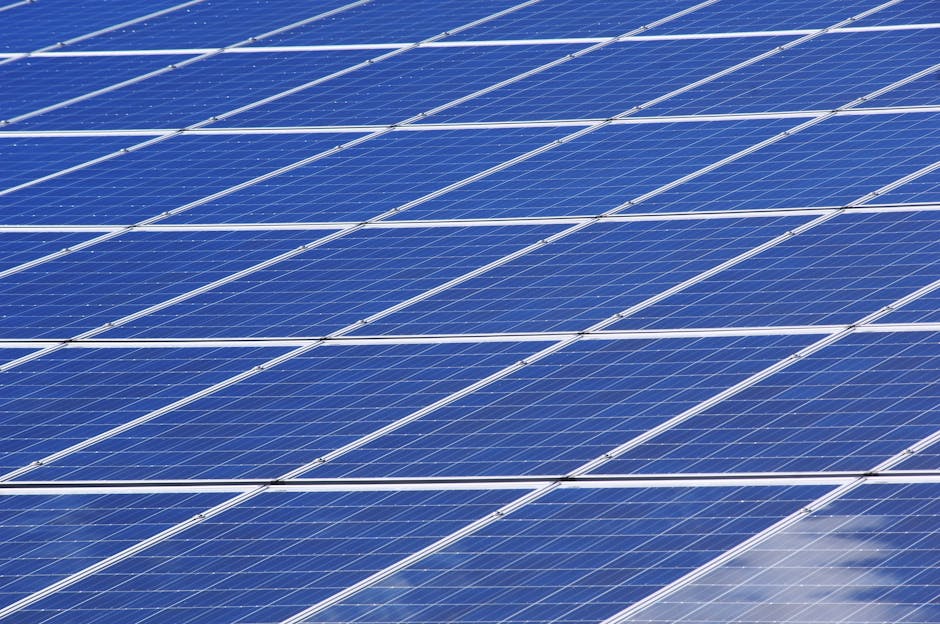
Have you ever wondered what makes the newest solar cells so special? Third-generation solar cells are changing the way we capture sunlight and turn it into energy.
But what exactly are they made of, and why should you care? Understanding the materials behind these advanced cells can help you see why they might be the future of clean energy. Keep reading to discover how these innovative components work and why they could make a big difference for your energy needs.
Credit: medium.com
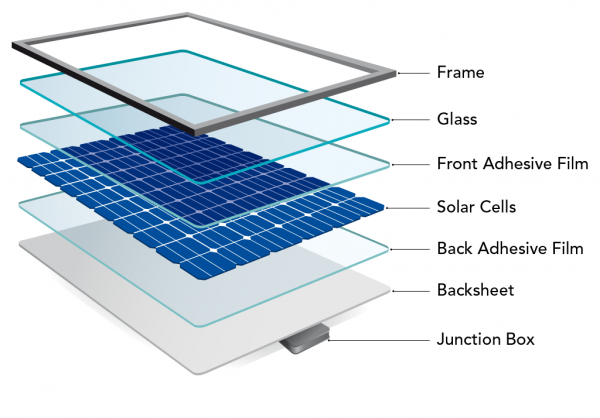
Materials In Third-generation Solar Cells
Third-generation solar cells use materials like perovskites, quantum dots, and organic polymers to capture sunlight efficiently. These materials help improve flexibility, reduce costs, and increase energy conversion beyond traditional cells. Their unique properties make solar power more accessible and versatile.
Perovskite Compounds
Perovskite compoundsare used for their excellent light absorption and charge transport. They are easy to make and cost less than traditional materials. These compounds help convert sunlight into electricity efficiently. Their structure can be tuned to absorb different light colors.
Quantum Dots
Quantum dotsare tiny particles that capture sunlight very well. Their size can be changed to absorb various light wavelengths. They help increase solar cell efficiency by using more sunlight. Quantum dots are also flexible and can be used in thin layers.
Organic Polymers
Organic polymersare carbon-based materials that are light and flexible. They allow solar cells to bend and be lightweight. These polymers absorb light and create electricity through chemical reactions. They are cheaper to produce but sometimes less stable.
Dye-sensitized Components
Dye-sensitized componentsuse dyes to catch sunlight. These dyes are like tiny color molecules that absorb light. They work with a semiconductor to turn light into electric current. This method is affordable and works well in low light.

Credit: techxplore.com
Innovative Features Of Third-generation Cells
Third-generation solar cellshave many new features that make them special. They can absorb more light than older types. This means they catch energy even in low sunlight.
These cells are also flexible and lightweight. They can bend and fit on curved surfaces. This helps use solar power in many places.
Multi-junction structures are key. They stack different layers to catch sunlight at different colors. This improves the total power they create.
Improved charge transport means electricity flows better inside the cell. It reduces energy loss and makes the cell work more efficiently.
Advantages Over Traditional Solar Cells
Third-generation solar cellsoffer many benefits compared to traditional ones. They can reach higher efficiencyby using new materials that capture more sunlight. This means more power from the same size panel.
These solar cells also have lower production costs. They use cheaper materials and simpler processes. This makes solar energy more affordable for everyone.
Environmental benefitsare important too. Third-generation cells use less harmful chemicals. They also need less energy to make, which helps reduce pollution.
The extended lifespanof these cells means they last longer without losing power. This reduces the need for frequent replacements and lowers waste.
Applications Driving Growth
Building-Integrated Photovoltaicsblend solar cells into windows and walls. This helps save space and makes buildings more energy efficient.
Wearable Electronicsuse lightweight, flexible solar cells. They power devices like smartwatches and fitness trackers without bulky batteries.
Portable Energy Solutionsare perfect for charging phones and small gadgets on the go. These solar cells are easy to carry and use anywhere.
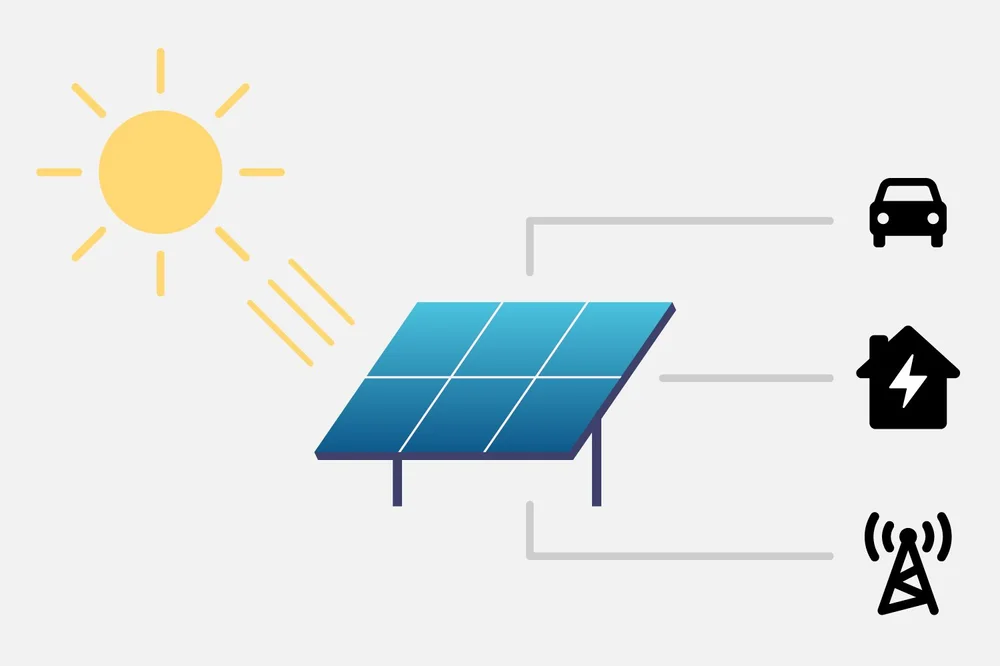
Remote and Off-Grid Powerrelies on third-generation solar cells for clean energy. They bring power to places without electricity, such as cabins or farms.
Challenges And Future Directions
Stability and durabilityremain major issues for third-generation solar cells. Many materials degrade quickly under sunlight and heat. This limits how long the cells can work efficiently.
Scaling up manufacturingis difficult because new materials need special processes. These processes can be costly and hard to control on a large scale. Making enough solar cells to meet global demand is a challenge.
Material toxicity concernsarise from some elements used in these cells. Lead and cadmium, for example, are harmful to health and environment. Safer alternatives are needed to reduce risks.
Emerging research trendsfocus on finding stable, cheap, and non-toxic materials. Scientists test new compounds and improve cell design. Innovations aim to increase efficiency while lowering costs.
Credit: www.infinitypv.com
Frequently Asked Questions
What Materials Are Used In Third-generation Solar Cells?
Third-generation solar cells use materials like perovskites, quantum dots, and organic polymers. These materials enhance efficiency and flexibility compared to traditional silicon cells.
How Do Third-generation Solar Cells Differ From Older Types?
They improve energy conversion using advanced materials and designs. They offer better efficiency, lower costs, and greater adaptability in various environments.
Why Are Perovskites Important In Third-generation Cells?
Perovskites have excellent light absorption and charge transport properties. They boost solar cell efficiency and reduce manufacturing expenses significantly.
What Advantages Do Quantum Dots Provide In These Cells?
Quantum dots allow tuning of light absorption across a broad spectrum. This increases power output and improves overall solar cell performance.
Conclusion
Third-generation solar cells offer promising advancements in solar technology. Made from innovative materials, they provide better efficiency. These cells are lighter and more flexible than previous types. Their unique composition allows wider application possibilities. Environmental impact is reduced due to sustainable materials.
They harness sunlight efficiently, making energy more accessible. As technology evolves, these solar cells may become more affordable. Potential growth in this field is significant. Understanding their makeup helps in appreciating their benefits. With continued research, they can play a crucial role in renewable energy.
Embracing these advancements can lead to a greener future.