Are you considering a solar generator to power your home or outdoor adventures? You might be wondering what batteries are used in these innovative devices.
Understanding the types of batteries in a solar generator is crucial for making an informed decision. The right battery not only ensures efficient energy storage but also affects the longevity and performance of your solar setup. Imagine having a reliable source of power that doesn’t let you down when you need it most.
This article will guide you through the different battery options available, helping you choose the best one for your needs. Let’s dive into the world of solar generator batteries and uncover which type will best serve your power needs.
Types Of Batteries For Solar Generators
Lead-acid batteriesare common and cost-effective. They are heavy and need regular maintenance. These batteries have a shorter lifespan but are reliable for many solar setups.
Lithium-ion batteriesare light and last longer. They charge faster and hold more power. Though pricier, they are popular in modern solar generators.
Nickel-based batteriesoffer good durability and work well in cold weather. They are less common in solar systems but still useful in some cases.
Flow batteriesstore energy in liquid form. They can be large but are good for long-term storage. These batteries last many cycles without losing power.
Saltwater batteriesuse saltwater as the electrolyte. They are safe and eco-friendly. These batteries are less common but growing in popularity due to their green nature.

Credit: www.bioliteenergy.com
Lead-acid Battery Characteristics
Lead-acid batteries are common in solar generators due to their low cost and reliable power output. They store energy well but need regular maintenance to last longer. These batteries work best for short-term energy storage in solar systems.
Flooded Vs Sealed Lead-acid
Flooded batteries contain liquid acid and need regular topping up with water. Sealed lead-acid batteries are closed and do not require water refills. Flooded types are cheaper but need more care. Sealed batteries are safer and more convenient but cost more.
Advantages And Limitations
- Flooded batterieshave a longer life if well maintained.
- Sealed batteriesare less prone to leaks and spills.
- Both types can handle deep discharges but lose capacity over time.
- Lead-acid batteries are heavy compared to other types.
Maintenance Needs
Flooded batteries need water checks and cleaning of terminals. Sealed batteries require little to no maintenance. Both types should be kept at correct charge levels to last longer. Proper care helps avoid damage and extend battery life.
Advantages Of Lithium-ion Batteries
Lithium-ion batterieshave a high energy density. They store more power in a small space. This makes solar generators lighter and easier to carry. They also convert energy efficiently, wasting less power during use.
The lifespanof lithium-ion batteries is longer than other types. They can handle many charge and discharge cyclesbefore performance drops. This means fewer replacements and less waste.
| Factor | Details |
|---|---|
| Cost | Higher initial price but lower long-term cost due to durability |
| Energy Density | Stores more energy per unit weight |
| Efficiency | Less energy loss during charge and use |
| Lifespan | More charge cycles before replacement needed |
Emerging Battery Technologies
Solid-state batteriesuse a solid electrolyte instead of liquid. This makes them saferand longer-lasting. They hold more energy and charge faster. These batteries are still being tested for solar generators but show great promise.
Sodium-ion batteriesreplace lithium with sodium. Sodium is cheaper and more common. These batteries work well in cold weatherand have good energy storage. They are becoming popular for solar power storage due to cost and availability.
- Other innovationsinclude zinc-air and flow batteries.
- Zinc-air batteries use oxygen from air to create power.
- Flow batteries store energy in liquid tanks and can last a long time.
- These new types aim to improve battery life and reduce costs.
Battery Capacity And Sizing
Calculating power needsmeans figuring out how much energy you use daily. Add up the watts of each device and multiply by hours used. This gives the total watt-hours needed. Choose a battery with a capacity that covers this amount plus extra for safety.
Battery bank configurationsaffect how much power you get. You can connect batteries in series to increase voltage or in parallel to increase capacity. Series connection raises voltage but keeps capacity the same. Parallel adds capacity but keeps voltage the same. Pick the setup that fits your solar generator’s requirements.
Impact on generator performancedepends on battery size and type. Larger capacity means longer run time. Good quality batteries give steady power and last longer. Poor batteries may reduce efficiency and lifespan of the generator.
Credit: naturesgenerator.com
Charging And Discharging Factors
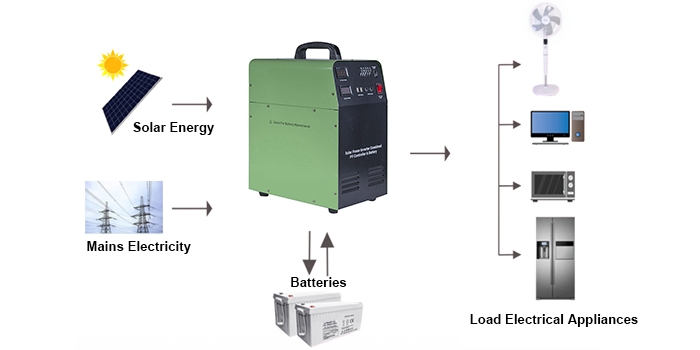
Charge controllershelp manage the flow of power from solar panels to batteries. They protect batteries from overcharging and deep discharging. Not all charge controllers work with every battery type. Choosing a compatible controller is important for battery healthand longer life.
Depth of Discharge (DoD)is how much battery power is used before recharging. Using too much energy at once can reduce battery life. Keeping DoD low helps batteries last longer and work better.
Temperatureaffects battery performance. High heat can cause batteries to wear out faster. Cold temperatures may reduce the battery’s ability to hold a charge. Keeping batteries at a stable, moderate temperatureis best for efficiency and durability.
Safety And Environmental Impact
Handling solar generator batteries needs care and attention. Batteries contain chemicals that can be harmful if leaked. Use gloves and avoid dropping or puncturing them. Store batteries in a cool, dry place away from direct sunlight. Never throw batteries in the trash. Improper disposal can cause pollution and harm the environment.
Recycling helps reduce wasteand recover valuable materials. Many centers accept solar batteries for recycling. Check local recycling programs or hazardous waste facilities. Recycling keeps toxic metals out of landfills and saves natural resources.
| Type of Battery | Environmental Impact | Recycling Availability |
|---|---|---|
| Lithium-ion | Contains metals like cobalt and lithium; toxic if leaked | Widely accepted at recycling centers |
| Lead-acid | Contains lead and acid; highly toxic if not handled properly | Commonly recycled with special programs |
| Nickel-metal hydride (NiMH) | Less toxic but still needs careful disposal | Recycling available but less common |
The environmental footprintdepends on battery type and disposal method. Proper handling and recycling reduce pollutionand protect nature.
Credit: www.inverter.com
Cost Comparison And Roi
The initial investmentfor solar generator batteries varies by type. Lithium-ion batteriescost more upfront but last longer. Lead-acid batteriesare cheaper but need replacement sooner.
Long-term savingsdepend on battery efficiency and lifespan. Lithium-ion batteries save more money over time due to fewer replacements. Lead-acid batteries may cost more in the long run because of frequent replacements and maintenance.
| Battery Type | Initial Cost | Life Span | Long-Term Savings | Warranty | Support |
|---|---|---|---|---|---|
| Lithium-ion | High | 10+ years | Better | 5-10 years | Good |
| Lead-acid | Low | 3-5 years | Lower | 1-3 years | Basic |
Choosing The Right Battery For Your Needs
Choosing the right battery depends on your usage needs. Small devices need light batteries, like lithium-ion. For bigger power needs, lead-acid or lithium iron phosphate (LiFePO4) batteries work well. Each type offers different life spansand charging speeds.
Budget affects choice too. Lead-acid batteries cost less upfront but last shorter. LiFePO4 costs more but lasts longer and is safer. Think about how longyou want the battery to work before buying.
Planning for the future is smart. Choose batteries that can expandor upgradeeasily. Consider the space and weight of batteries if you plan to move your solar generator.
| Battery Type | Best For | Cost | Life Span |
|---|---|---|---|
| Lithium-ion | Small to medium use | Moderate | 5-10 years |
| Lead-acid | Low budget, heavy use | Low | 3-5 years |
| LiFePO4 | Long life, safety | High | 10+ years |
Frequently Asked Questions
What Types Of Batteries Are Used In Solar Generators?
Solar generators commonly use lithium-ion, lead-acid, or lithium iron phosphate (LiFePO4) batteries. Lithium-ion batteries offer high energy density and longer life. Lead-acid batteries are cost-effective but heavier. LiFePO4 provides safety, longer cycles, and stable performance in solar applications.
Why Are Lithium-ion Batteries Preferred In Solar Generators?
Lithium-ion batteries have high energy density, lightweight design, and longer lifespan. They charge quickly and handle deep discharges well. Their efficiency improves solar generator performance, making them the most popular choice in portable and home solar power systems.
How Do Lead-acid Batteries Perform In Solar Generators?
Lead-acid batteries are affordable and widely available but heavier and bulkier. They have shorter life cycles and need regular maintenance. These batteries work well for small or budget solar generator setups but are less efficient than lithium options.
What Advantages Do Lifepo4 Batteries Offer Solar Generators?
LiFePO4 batteries provide excellent safety and thermal stability. They have longer cycle life, high discharge rates, and low maintenance needs. These characteristics make them ideal for reliable and durable solar generator power storage.
Conclusion
Solar generators rely on different battery types for power storage. Lithium-ion batteries offer high energy and long life. Lead-acid batteries are heavier but cost less. Each battery has its strengths and weaknesses. Choosing the right battery depends on your needs.
Think about weight, cost, and how long power lasts. Understanding these options helps you pick the best solar generator. This knowledge makes your solar setup more efficient and reliable.