Imagine having your own power source wherever you go, without relying on the grid or expensive bills. Small off-grid solar generating systems can make that possible.
But you might be wondering—what exactly can these compact solar setups power? Whether you want to keep your lights on during a camping trip, charge your devices in a remote cabin, or run essential appliances during an outage, understanding the limits and possibilities of these systems is key.
Keep reading to discover how much energy you can really get from a small off-grid solar system and how it can fit into your lifestyle.
Basics Of Small Off-grid Solar Systems
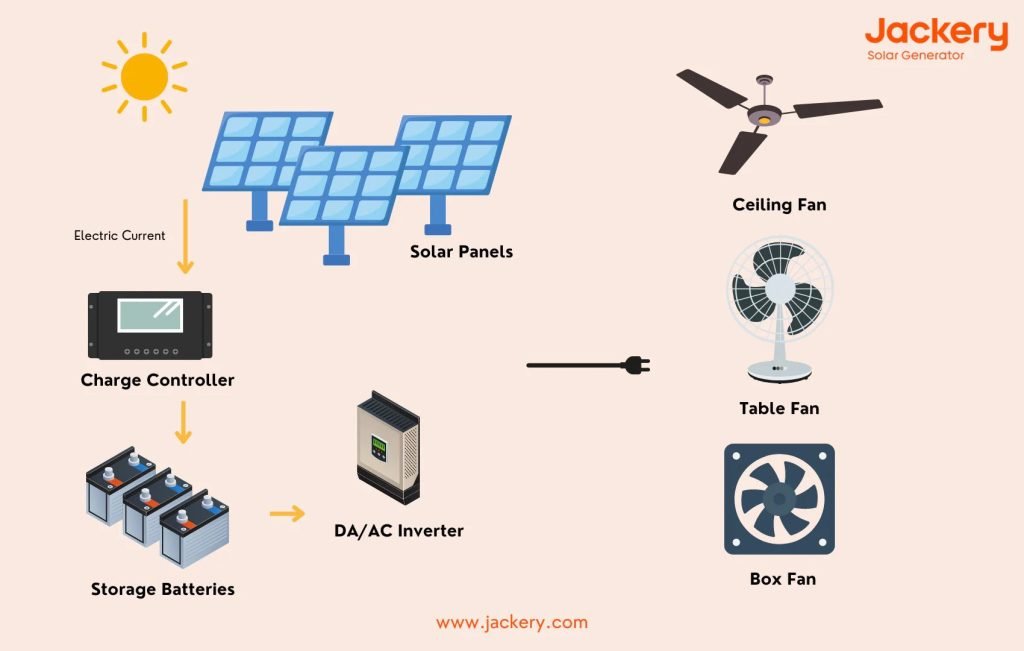
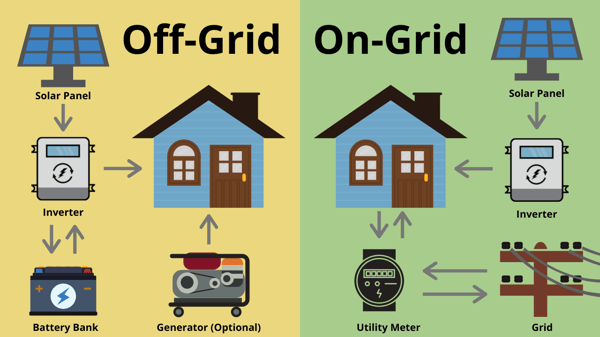
Small off-grid solar systems include solar panels, a charge controller, batteries, and an inverter. Solar panels capture sunlight and turn it into electricity. The charge controller keeps the batteries safe from overcharging. Batteries store energy for use at night or on cloudy days. The inverter changes stored energy to power regular devices.
Typical power output ranges from 100 watts to 1000 watts. This size can run lights, small fans, phone chargers, and a few small appliances. Power output depends on solar panel size and sunlight hours.
| Battery Type | Features | Advantages |
|---|---|---|
| Lead-Acid | Heavy, low cost, requires maintenance | Good for budget systems |
| Lithium-ion | Light, expensive, longer life | Better for long-term use |
| Gel or AGM | Sealed, low maintenance | Safer and cleaner |
Credit: www.paradisesolarenergy.com
Key Appliances For Off-grid Living
Small off-grid solar systemscan power many key appliances essential for daily life. They provide lighting solutionslike LED bulbs and lanterns that use very little energy but give bright light. This helps save battery power for longer use.
Communication devicessuch as smartphones, radios, and small laptops can run on these systems. Charging these devices keeps you connected to the world and allows for important calls and messages.
Small kitchen applianceslike electric kettles, blenders, and mini-fridges work well with off-grid solar power. These appliances help prepare food and store fresh items without using much electricity.
Power Consumption Of Essential Devices
Lightingneeds very little energy. Small solar systems can power LED bulbs for several hours daily. These bulbs use about 5 to 10 wattseach. They help save battery power and provide enough light for rooms.
Refrigerationunits need more power. Small fridges use about 40 to 100 watts. They run intermittently, not all the time. Solar systems with batteries can keep food fresh for a day or two.
Phones and laptops require low energy. Charging a phone takes about 5 to 10 watt-hours. A laptop uses more, around 30 to 50 watts. Solar systems can charge these devices daily without problems.
Managing Energy Use Efficiently
Small off grid solar systems work best by using power wisely. Prioritize essential applianceslike lights, fans, and phone chargers. These use less energy but make life easier.
Avoid running many devices at once. This helps keep power steady. Use heavy appliances like refrigerators or microwaves only when the sun is strong.
- Turn off lightswhen not in use.
- Use energy-saving bulbs for longer light with less power.
- Charge devices during daytime for better battery use.
- Choose small appliances designed for low power use.
Keep track of how much power each device uses. Use simple meters or apps to monitor consumption. This helps avoid surprises and keeps your system working well.
Limitations Of Small Solar Systems
Small solar systems often struggle with high-power appliances. Devices like microwaves, air conditioners, and electric heaters need more energy than these systems can supply. This makes running such devices difficult or impossible without a bigger setup.
Weather plays a big role in solar power output. Cloudy, rainy, or snowy daysreduce the sunlight that panels receive. Less sunlight means less energy, so power availability can drop sharply during bad weather.
Batteriesstore the solar energy for use when the sun is down. Their life depends on how they are charged and discharged. Overusing or deep discharging batteries can reduce their lifespanand overall system efficiency.

Credit: yourequipmentsuppliers.com
Expanding Your Solar Setup
Adding more solar panels helps your system collect more sunlight. This means more power for your home or devices. Panels can be placed where they get the most sun during the day.
Upgrading battery capacity lets you store extra energy for use at night or on cloudy days. Bigger batteries keep your devices running longer without sunlight. This is great for lights, small appliances, and phones.
Integrating backup generators gives extra power when solar energy is low. Generators can run on gas or diesel. They start automatically to keep your system working during long bad weather or high power use.

Credit: www.bioliteenergy.com
Frequently Asked Questions
What Appliances Can Small Off-grid Solar Systems Power?
Small off-grid solar systems can power LED lights, fans, laptops, phones, and small refrigerators. They support basic household electronics but not heavy appliances like air conditioners or ovens.
How Long Can Off-grid Solar Systems Run Devices?
The runtime depends on battery capacity and device power use. Typically, small systems run low-energy devices for several hours to a full day without sunlight.
Are Small Solar Systems Suitable For Emergencies?
Yes, small off-grid solar systems provide reliable backup power during outages. They keep essential devices running, ensuring communication and lighting in emergencies.
Can Small Solar Setups Charge Multiple Devices Simultaneously?
Yes, these systems can charge multiple low-power devices at once. However, total power draw must stay within the system’s capacity to avoid overload.
Conclusion
Small off-grid solar systems offer valuable benefits. They power essential devices efficiently. Lights, fans, and small appliances work smoothly. These systems provide energy independence. They reduce reliance on traditional power sources. Eco-friendly and cost-effective, they help save money. Remote locations benefit greatly from them.
Installation is simple, requiring minimal maintenance. They fit well in various lifestyles. A practical choice for sustainable living. Embrace solar energy for a greener future.