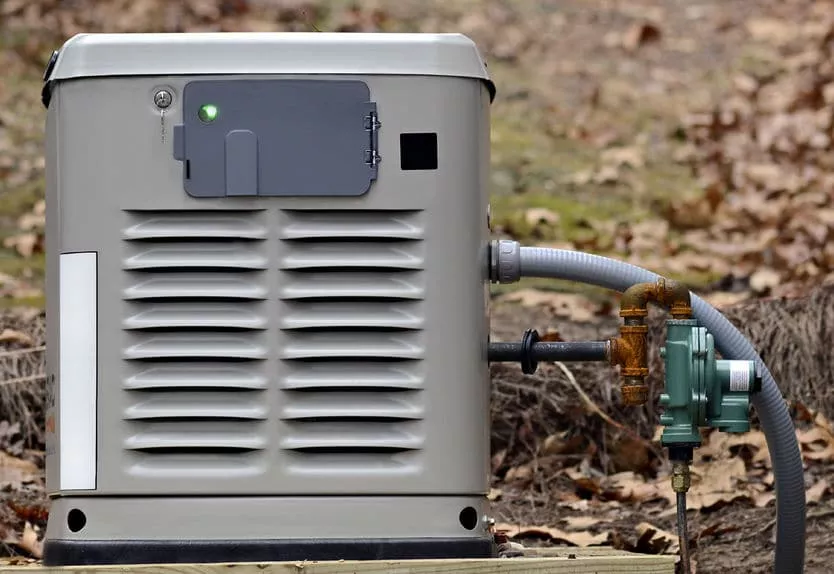
Picture this: you’re all set for a weekend camping trip, or maybe there’s an unexpected power outage, and you need your portable gas generator to kick in. You pull the starter cord, and… nothing.
It’s frustrating, right? If your portable gas generator refuses to start, you’re not alone. Many people face this issue at the worst possible times. But what really causes this stubborn silence? We’ll uncover the common culprits that might be keeping your generator from roaring to life.
Whether it’s a simple oversight or a more technical problem, understanding these causes can save you time, money, and a heap of frustration. Stay with us as we delve into the essential checks and fixes that will help ensure your generator runs smoothly whenever you need it. You’ll be back to enjoying your power supply in no time!
Credit: www.nytimes.com
Common Reasons For Startup Failure
Fuel issuesare a top reason a portable gas generator may not start. Old or stale fuel can clog the engine. Empty or low fuel tanks stop the engine from running. Fuel filters can get dirty and block fuel flow.
Battery problemsalso cause startup failure. A dead or weak battery can prevent electric start systems from working. Loose or corroded battery connections reduce power delivery.
Spark plug faultsoften stop ignition. Worn or fouled spark plugs fail to produce a spark. Damaged spark plug wires can break the circuit.
Carburetor troublesaffect fuel mixing and flow. Dirty or clogged carburetors block fuel delivery. Carburetor adjustments may be needed to fix the air-fuel ratio.
Fuel-related Solutions
Check the fuel levelfirst. A low or empty tank stops the generator from starting. Use fresh fuel to avoid problems. Old fuel can cause the engine to stall or not start at all.
Draining old fuel is important. Gasoline breaks down over time and loses power. Empty the tank and refill with new fuel to keep the engine running smoothly.
- Look for cracks or leaks in the fuel line.
- Make sure the fuel line is not clogged or blocked.
- Replace damaged fuel lines to ensure proper fuel flow.
Battery And Electrical Fixes
Check the battery charge with a voltmeter. A fully charged battery shows around 12.6 volts. Use a charger to restore power if below 12 volts. Avoid overcharging to prevent damage.
Look closely at all wiring connections. Ensure wires are tight, clean, and free from corrosion. Loose or dirty wires can stop the generator from starting.
- Replace broken wires or worn connectors immediately.
- Check fuses and switches for damage.
- Test spark plugs and ignition coils.
Faulty components like a dead battery or bad spark plug often cause startup failure. Use a multimeter to test parts. Replace any parts that do not work properly.
Credit: firmanpowerequipment.com
Spark Plug Maintenance
Cleaning the spark plug removes dirt and carbon build-up. Use a wire brush or spark plug cleaner. Avoid damaging the ceramic part. A clean spark plug helps the generator start easily.
Replacing worn spark plugs is important. Old plugs cause weak sparks or no spark at all. Check the plug for cracks or heavy deposits. A new spark plug ensures proper engine firing.
Adjusting the spark plug gap affects engine performance. Use a gap tool to measure the distance between electrodes. The correct gap size is usually found in the generator manual. Too wide or too narrow gaps cause starting problems.
Carburetor Cleaning And Repair
Carburetor deposits block fuel flow and air mix. Cleaning removes these deposits. Use a carburetor cleaner spray and a soft brush. Soak small parts to dissolve grime. Rinse with clean water and dry fully.
Adjusting carburetor settings improves engine start and run. Turn the idle screw to set proper engine speed. Adjust the air-fuel mixture screw to balance fuel and air. Small changes can make a big difference.
- Replace worn gaskets to stop leaks.
- Change damaged jets for proper fuel flow.
- Install new float valves to control fuel level.
- Use original parts for best fit and function.
Additional Troubleshooting Tips
The air filtermust be clean and free of dust. A dirty filter blocks air flow and stops the engine from starting. Check the filter and replace it if it looks clogged or very dirty.
Safety switchesprevent the generator from starting if parts are loose or unsafe. Make sure all switches are in the correct position and working well. Loose wires or faulty switches can stop the engine from turning on.
The chokehelps the engine start by controlling air flow. Ensure the choke moves smoothly and is set to the right position for starting. A stuck or wrong choke setting can cause starting problems.

Credit: www.safetyandhealthmagazine.com
Frequently Asked Questions
Why Won’t My Portable Gas Generator Start?
Common causes include empty fuel tank, old fuel, dirty spark plug, or clogged air filter. Check these parts first.
How Does Stale Fuel Affect Generator Starting?
Stale fuel loses ignition quality, causing hard starts or no starts. Always use fresh fuel for reliable operation.
Can A Faulty Spark Plug Stop Generator Starting?
Yes, a worn or fouled spark plug prevents ignition. Inspect and replace the spark plug regularly for smooth starts.
Does A Clogged Air Filter Impact Generator Startup?
A dirty air filter restricts airflow, causing poor combustion and starting issues. Clean or replace the filter as needed.
Conclusion
A portable gas generator may fail to start for simple reasons. Check the fuel level and quality first. Ensure the spark plug is clean and in good shape. Look at the air filter; dirt can block airflow. Also, verify the oil level and type.
Regular maintenance keeps the generator ready to run. Small steps can fix most starting problems quickly. Understanding these causes helps you avoid frustration and downtime. Keep your generator in good condition, and it will serve you well when needed.