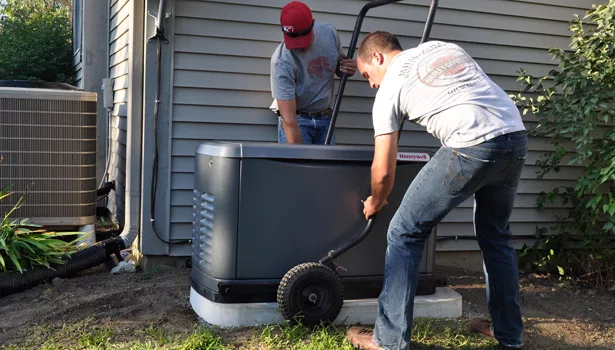
Imagine you’re in the middle of a storm and suddenly, the power goes out. Your standby generator kicks in and saves the day.
But wait—how do you know it’s reliable and safe? That’s where certifications come into play. When you’re choosing a standby generator, certifications are your assurance of quality and safety. They’re not just fancy labels; they’re your peace of mind. We’ll unravel what certifications your standby generator should have.
Understanding these can make a world of difference in your decision-making process. Stay with us, and you’ll be equipped with the knowledge to confidently choose a generator that won’t let you down when you need it most.

Credit: upgenerator.en.made-in-china.com
Importance Of Certifications
Certifications ensure a standby generatormeets safety standards. They provide peace of mind. Certified generators are tested for performanceand reliability. This means they work well during power outages. Certifications also verify that the generator is environmentally safe. This helps protect our planet. Without certifications, a generator may not be safe to use. It might not work properly when needed. This can be risky during emergencies.
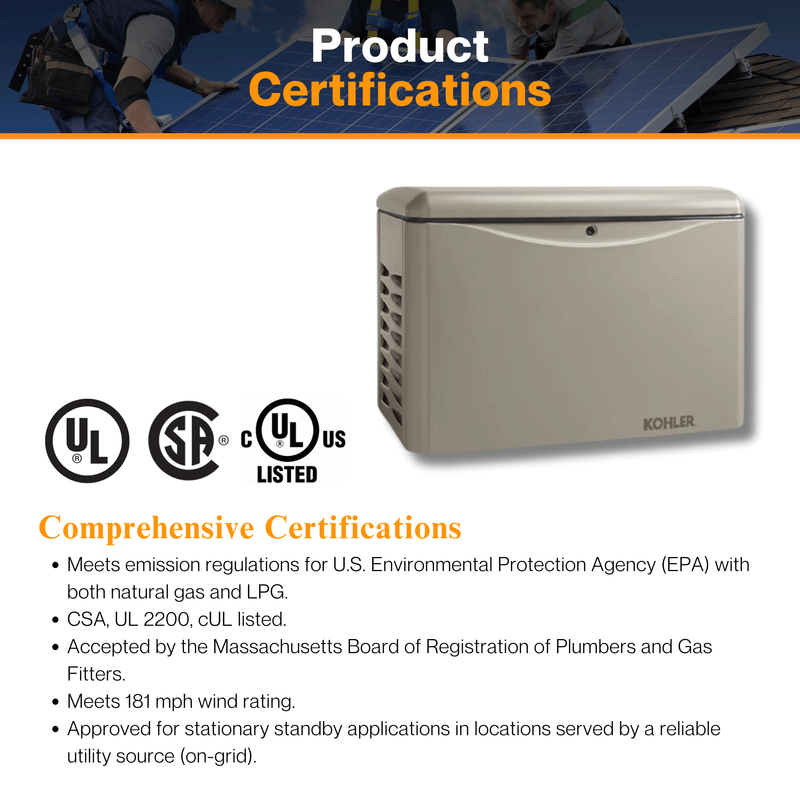
Look for ULand CSAcertifications on generators. These are trusted standards. They ensure the generator is built to last. Certified generators often come with a warranty. This adds extra security for the buyer. It’s important to choose a generator with the right certifications. This ensures safety and reliability for your home.
Credit: www.gminsights.com
Safety Standards
Standby generators should have certifications like UL, CSA, and ETL to ensure safety and reliability. These certifications indicate compliance with industry standards, providing peace of mind. Proper certifications ensure the generator operates safely during power outages.
Ul Certification
Standby generators must have UL Certification. This means they are tested for safety. UL stands for Underwriters Laboratories. It checks electrical and fire safety. Generators with UL Certification are safer to use.
Csa Approval
Another important certification is CSA Approval. CSA stands for Canadian Standards Association. It ensures the generator meets Canadian safety standards. CSA Approval is recognized in many countries. It helps assure product reliability and safety.
Nfpa Compliance
Generators should comply with NFPAguidelines. NFPA stands for National Fire Protection Association. It provides rules for fire safety. Compliance means the generator is safer during emergencies.
Environmental Regulations
Standby generators should have certifications like EPA and UL to ensure safety and environmental compliance. These certifications verify that the generator meets environmental standards and operates efficiently. Always check for these labels when purchasing a generator.
Epa Standards
The EPA controls air pollution in the USA. Generators must meet their rules. These rules keep the air clean. A generator with EPA approval is safe. It will not harm the environment. Clean energy is important for our planet. Choose a generator with this certification.
Carb Certification
CARB stands for California Air Resources Board. They set strict air quality rules. Generators with CARB certification are eco-friendly. They release fewer harmful gases. This helps reduce pollution. Even if you don’t live in California, it’s smart to choose CARB-certified products. They ensure your generator is safe for the Earth.
Performance Certifications
ISO Certification is important for standby generators. It shows that the generator meets high standards. ISO stands for the International Organization for Standardization. This certification ensures that the generator is reliable and safe. It also means the generator has been tested thoroughly. Customers trust ISO-certified products more. So, having this certification can be a big plus.
Energy efficiency labels help you know about the generator’s power usage. These labels show how much energy the generator uses. Efficient generators save money on energy bills. They are also better for the environment. Look for labels like ENERGY STAR. These labels mean the generator is very efficient. Always choose a generator with good energy labels.
Installation And Maintenance
Standby generators should have certifications like UL (Underwriters Laboratories) and CSA (Canadian Standards Association). These ensure safety and efficiency. Look for compliance with local regulations for installation and maintenance.
Local Building Codes
Local building codes are very important for generator installation. These codes keep homes safe. They ensure generators are installed correctly. Always check the local rules before installing. Permits might be needed. Different areas have different codes. Make sure to follow these rules. This prevents legal problems later. It also ensures the generator works well. Consult a professional if unsure.
Manufacturer Guidelines
Each generator comes with specific manufacturer guidelines. These guidelines tell how to install and maintain the generator. Read the instructions carefully. They often include important safety tips. Proper installation ensures the generator runs smoothly. Regular maintenance checks are essential. They help in keeping the generator in good condition. Follow the guidelines to avoid breakdowns. This increases the generator’s lifespan. Always use the recommended parts and tools.
Choosing The Right Certified Generator
Certified generatorsensure safety and reliability. They have passed strict tests. Look for certifications like ULand EPA. These certifications mean the generator meets important standards. You can trust these models. Certified generators are safer for homes and businesses.
Assessing Your Needs
Think about what you need the generator for. Do you need power for a whole house? Or just a few appliances? Check the power output. Make sure it’s enough for your needs. Consider how often you’ll use it. Some generators are better for regular use. Others are good for emergencies only.
Comparing Certified Models
- Size and weight:Smaller models are easier to move.
- Fuel type:Options include gas, diesel, and propane.
- Noise level:Some are quieter than others.
- Warranty:Check what the warranty covers.
Compare these features to find the best option for you.
Credit: solarpowerstore.ca
Frequently Asked Questions
What Permits Are Needed For A Generator?
You typically need electrical and building permits for a generator installation. Contact local authorities for specific requirements.
Do You Have To Be Certified To Install Generac Generators?
Certification is required to install Generac generators. Certified professionals ensure safety and compliance with local codes. Proper installation guarantees optimal performance and reliability. Always hire a licensed electrician or certified technician for installation.
What Is An Epa Certified Generator?
An EPA certified generator meets the Environmental Protection Agency’s emissions standards. It reduces harmful pollutants and operates efficiently. Compliance ensures environmentally friendly energy production and cleaner air. Opt for an EPA certified generator for eco-friendly power solutions.
What Are The Rules For Standby Generators?
Standby generators must meet local zoning laws and safety standards. Install by a certified professional. Regular maintenance is essential. Keep clear of flammable materials. Ensure proper ventilation and exhaust management. Follow manufacturer’s guidelines for usage.
Conclusion
Choosing the right certifications for your standby generator is essential. It ensures safety and reliability. Certified generators meet industry standards. This means better performance and peace of mind. Look for certifications like UL, CSA, and EPA. They indicate quality and compliance.
Always check the manufacturer’s guidelines. This helps in making informed decisions. Proper certifications can save costs in the long run. They prevent unexpected breakdowns. So, prioritize certification when selecting your generator. It’s a smart investment in safety and efficiency.