
Are you trying to power your home or RV with both a generator and solar panels? If so, you might be wondering how to manage the energy coming from these two sources efficiently.
Choosing the right charge controller is the key to making sure your batteries stay healthy and your power system runs smoothly. You’ll discover which charge controllers work best with both generators and solar setups. By the end, you’ll feel confident about picking the perfect controller for your energy needs—and avoid costly mistakes that can drain your battery or damage your equipment.
Keep reading to find the solution that fits your system perfectly!
Charge Controllers Basics
Charge controllerskeep solar batteries safe and full. They stop batteries from getting too much power or losing power. This helps batteries last longer and work better.
There are two main types of charge controllers:
- PWM (Pulse Width Modulation): Good for small systems, simple and cheaper.
- MPPT (Maximum Power Point Tracking): More efficient, works well with bigger solar panels.
Most charge controllers work fine with generatorsif wiring is done right. Some controllers can handle both solar and generator power safely. Check the controller’s specs for generator compatibility. Proper setup avoids damage and keeps energy flowing smoothly.
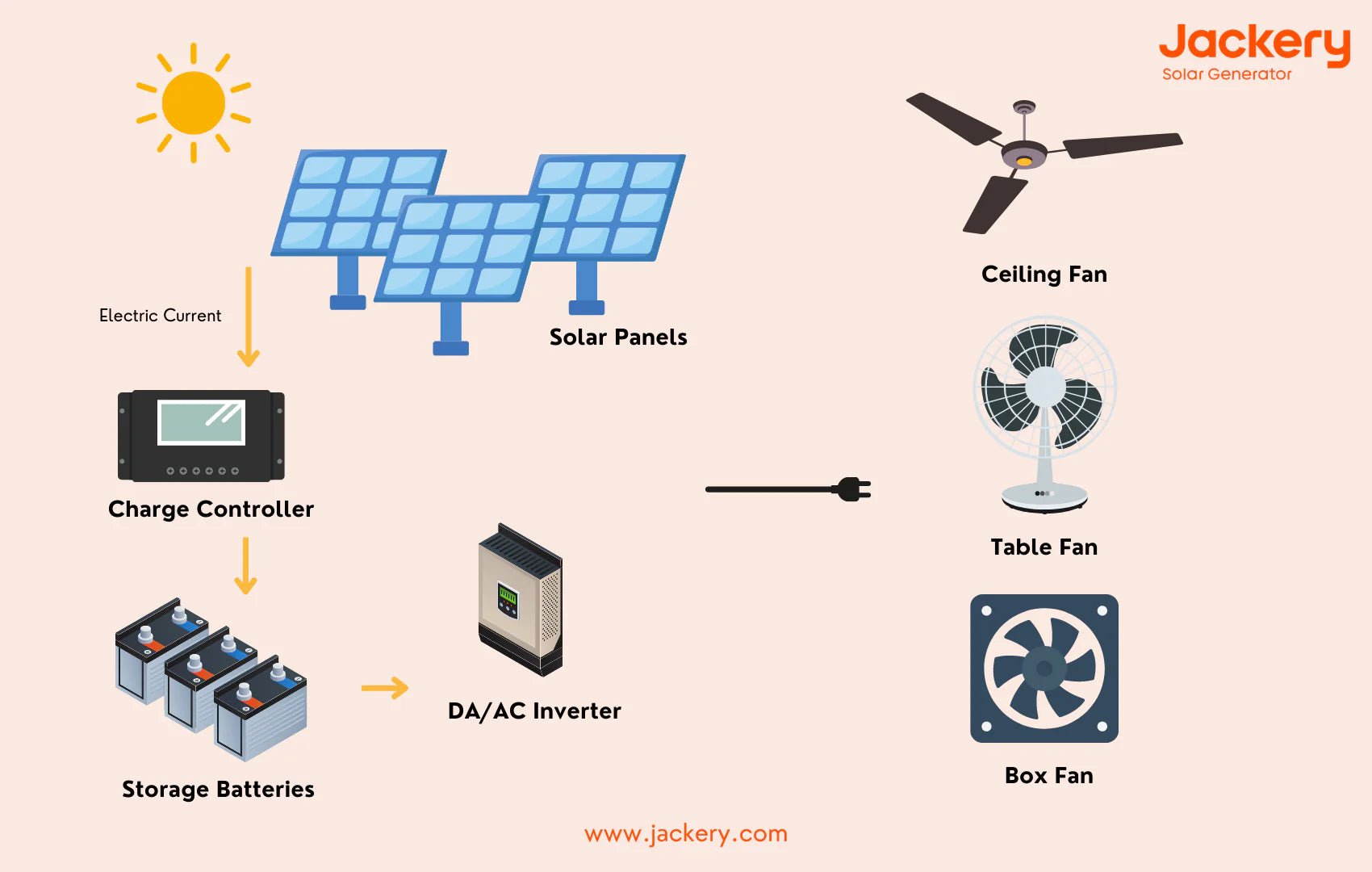
Credit: www.jackery.com
Choosing The Right Controller
Power needs must be checked carefully before choosing a controller. The controller should handle the total voltage and currentfrom both solar panels and the generator. Too low capacity can cause damage or poor performance.
Match the controller’s input voltage with your solar panels and generator output. This ensures safe and efficient charging. The current rating should be higher than the maximum current expected.
Hybrid systems need controllers that can manage inputs from two sources. These controllers switch between solar and generator power automatically or combine both. Look for features like priority settings and load management.
| Criteria | What to Check | Why It Matters |
|---|---|---|
| Power Requirements | Total wattage and current | Prevents overload and damage |
| Voltage Matching | Controller input voltage rating | Ensures efficient charging |
| Hybrid Compatibility | Supports solar + generator input | Allows smooth power source switching |
Popular Charge Controller Models
PWM Controllersare simple and cost-effective. They use pulses to control battery charging. These controllers work well with small solar panels and generators. They are easy to install and maintain. Ideal for basic setupswhere budget matters.
MPPT Controllersare more efficient. They adjust voltage to get the most power from solar panels. These controllers can work with both solar and generator inputs. They increase energy harvestin complex systems. Best for larger systems needing higher efficiency.
Controllers Designed for Generatorshave features to handle generator power. They protect batteries from overcharging and voltage spikes. Often include automatic switchingbetween solar and generator power. Useful in hybrid systems combining solar and generator sources.
Integrating Generators With Solar
Integrating a generator with solar power needs a charge controllerthat can handle both sources well. The controller must switch between solar and generator power smoothly to protect the battery.
Wiring And Connections
Use proper wiringto connect solar panels, generator, and battery to the charge controller. Ensure all connections are tight and secure. A wrong connection may cause damage.
- Connect solar panels to the solar input of the controller.
- Connect the generator to the generator input or AC input if available.
- Connect the battery to the battery terminals on the controller.
Synchronization Techniques
Some charge controllers have a built-in synchronizer. It helps to balance energyfrom both sources. Others use an automatic transfer switchto select the power source.
Safety Precautions
Always turn offthe generator and solar system before wiring. Use fusesor circuit breakers to avoid short circuits. Avoid water near electrical parts to prevent shocks.
Installation Tips
Choose a dry and shaded locationto install the charge controller. Avoid direct sunlight to prevent overheating. Mount it on a flat, vertical surfaceusing screws or brackets for stability.
Ensure good airflowaround the device to keep it cool. Leave space around the controller to allow heat to escape. Use fans or vents if the area is enclosed or warm.
- Check connections regularly for tightness and corrosion.
- Clean dust and dirt from the controller and vents.
- Inspect wires for damage or wear.
- Test the system periodically to ensure it works well.

Credit: www.shoptinyhouses.com
Troubleshooting Common Issues
Overcharginghappens when the charge controller lets too much power flow to the battery. This can damage the battery and reduce its life. Use a charge controller with a good voltage regulationto stop overcharging.
Different devices need different voltage levels. Incompatible voltage levelsbetween the generator, solar panels, and charge controller cause errors. Always check the voltage compatibilitybefore connecting parts.
Generator interferencemay cause the charge controller to act strangely. Generators produce electrical noise that can confuse the controller. Use filters or a controller designed to work well with generators to avoid this problem.
Future Trends In Charge Controllers
Charge controllers that work with both generators and solar panels manage power efficiently from two sources. They ensure batteries charge safely while preventing overcharging and damage. New trends focus on smarter, hybrid controllers that adapt to changing energy inputs.
Smart Controllers
Smart charge controllers adjust power flow automatically. They use sensors and software to protect batteries. These controllers improve energy use and extend battery life. Many models connect to smartphones for easy monitoring.
Integration With Energy Storage
Modern controllers work well with energy storage systems. They help store extra power from solar and generators. This stored energy can be used when sunlight or fuel runs low. It ensures steady power supply for homes and businesses.
Advancements In Hybrid Systems
Hybrid systems combine solar panels and generators smoothly. Charge controllers manage the mix to save fuel and energy. They switch sources based on availability and demand. This makes power systems more efficient and reliable.

Credit: www.reddit.com
Frequently Asked Questions
What Type Of Charge Controller Suits Both Generator And Solar?
A hybrid charge controller is ideal for systems using both generators and solar panels. It manages energy input from both sources efficiently. This controller ensures safe battery charging and prevents overcharging. It also maximizes battery life and system performance.
Can Mppt Controllers Work With Generators And Solar Panels?
Yes, MPPT (Maximum Power Point Tracking) controllers work well with solar panels and generators. They optimize solar energy capture and regulate generator output to charge batteries safely. MPPT controllers improve energy efficiency and adapt to changing power sources seamlessly.
Do Pwm Controllers Support Generator And Solar Setups?
PWM (Pulse Width Modulation) controllers can support generator and solar setups but are less efficient than MPPT types. They regulate battery charging by reducing voltage and current. PWM controllers are simpler and cost-effective but may not maximize energy harvest in hybrid systems.
How To Choose A Charge Controller For Dual Power Sources?
Choose a charge controller that supports multiple input sources and battery types. Look for features like automatic source detection and load management. Ensure it matches your system’s voltage and current requirements. Compatibility with both solar panels and generators is crucial for optimal performance.
Conclusion
Choosing the right charge controller matters. It ensures efficiency with both generator and solar. Look for compatibility and ease of use. Check specifications to match your power sources. Proper setup avoids energy waste. A good controller extends the life of your equipment.
Save money and energy with the right choice. Always consider your energy needs and budget. Research and compare options available. Make an informed decision for your power setup. This ensures reliable and sustainable energy management.