Have you ever wondered how solar panels actually generate electricity? You might think it’s all high-tech wizardry, but the truth is simpler and more fascinating than you expect.
Understanding what solar panels use to create power can change how you see energy—and even inspire you to make smarter choices for your home or business. Keep reading, and you’ll discover the key ingredient behind solar energy and how it turns sunlight into the electricity that powers your life.
History Of Solar Panels
Solar panels generate electricity using the photovoltaic effect. This effect was first discovered in the 19th century. Scientists found that certain materials create an electric current when exposed to sunlight.
Early solar cells were made from selenium, but they were not very efficient. The real breakthrough came with silicon solar cells in the 1950s. These cells converted sunlight to electricity much better.
Solar technology has improved a lot over time. Modern panels use high-quality siliconand advanced designs to produce more power. New materials and methods keep making solar energy cheaper and more common.
Credit: greentecenergy.com.au
Basic Working Principle
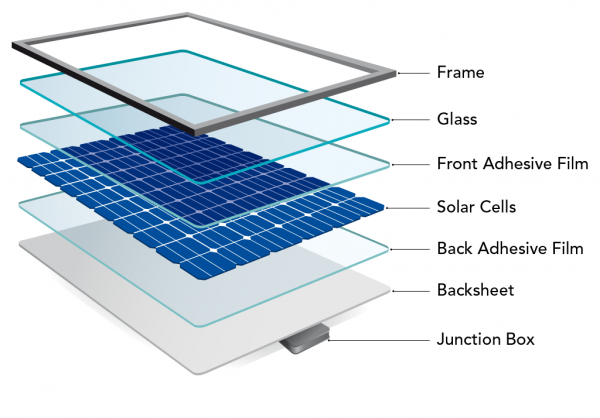
Solar panels use solar cellsto turn sunlight into electricity. These cells are made of semiconductors, usually silicon. When sunlight hits the cell, it gives energy to electrons in the semiconductor.
The energized electrons start to move, creating an electric current. This flow of electrons is what we call electricity. The cell has a built-in electric field that pushes electrons in one direction.
This process is called the photovoltaic effect. It changes sunlight directly into electric power without any moving parts or fuel.
Materials Used In Solar Cells
Siliconis the most common material used in solar cells. It is abundant and good at capturing sunlight. Silicon comes in two main forms: monocrystallineand polycrystalline. Monocrystalline silicon has higher efficiency but costs more. Polycrystalline silicon is cheaper but less efficient. Both types convert sunlight into electricity by moving electrons.
Other materials are also used to make solar cells. These include:
- Cadmium Telluride (CdTe)– used in thin-film solar panels, cheaper but less efficient than silicon.
- Copper Indium Gallium Selenide (CIGS)– flexible and lightweight, good for special solar applications.
- Perovskite– a newer material, promising for future solar cells due to its low cost and high efficiency.
Types Of Solar Panels
Monocrystalline panelsare made from a single crystal of silicon. They have high efficiency and last long. These panels work well in low light. They are usually black and more expensive.
Polycrystalline panelsuse many silicon crystals melted together. They cost less but have lower efficiency than monocrystalline. These panels look blue and have a grainy texture. They are a good choice for tight budgets.
Thin-film panelsare made by placing thin layers of solar material on glass or metal. They are lightweight and flexible. Efficiency is lower, but thin-film panels work better in shade and heat. They look uniform and can be less costly.
Energy Generation Process
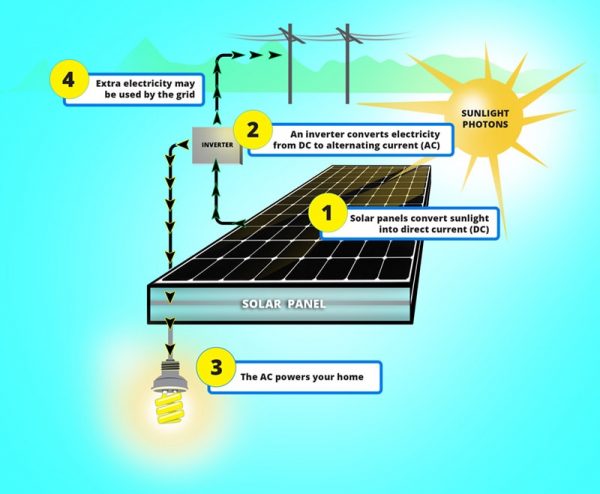
Solar panels use the photovoltaic effectto make electricity. Sunlight hits the solar cells made from silicon. This light energy moves tiny particles called electrons. These moving electrons create an electric current.
The process starts when sunlight gives energy to electrons. The electrons then jump from one atom to another inside the cell. This flow of electrons is captured as electricity. Wires inside the panel carry this electric current out for use.
This way, sunlight changes directly into electric power. No fuel or moving parts are needed. The panels work quietly and cleanly, making energy from the sun’s rays.
Credit: medium.com
Advancements In Solar Technology
Solar panels use sunlight to make electricity. Over time, they have become more efficient. New ways help them catch more sun rays.
Some panels use better materialslike thin layers of special metals. These materials absorb sunlight better and last longer.
Designs also changed. Panels now can be bent or put on windows. This means they can be used in many places.
- More sunlight absorbedwith new materials.
- Panels that work in low light or cloudy days.
- Flexible panels for different uses.
- Longer life with strong materials.
Environmental Impact
Solar panels generate electricity by capturing sunlight and turning it into power. This process reduces harmful pollution compared to fossil fuels. Using solar energy helps protect the environment and lowers carbon emissions.
Sustainability Benefits
Solar panelscreate clean energywithout pollution. They use sunlightto make electricity. This process does not release greenhouse gases. These gases cause climate change. Using solar power helps reduce carbon footprint. It also saves natural resourceslike coal and oil. Solar energy is renewableand will not run out. Solar panels need little water to work. This helps protect water supplies. They also make less noise than other energy sources. Solar energy supports clean airand healthy living.
Challenges And Solutions
- Solar panels need sunlightto work well.
- Cloudy days and night reduce energy production.
- Storage batteriesstore extra power for use later.
- Making solar panels uses some energy and materials.
- Recycling programs help reduce waste from old panels.
- High cost is a barrier but prices are dropping.
- Government incentivesand grantsmake solar affordable.

Credit: theharshbhagat.medium.com
Frequently Asked Questions
What Materials Do Solar Panels Use To Generate Electricity?
Solar panels use silicon-based photovoltaic cells to convert sunlight into electricity. Silicon absorbs sunlight, creating an electric current through the photovoltaic effect. This process generates clean and renewable energy without emissions.
How Do Solar Panels Convert Sunlight Into Power?
Solar panels convert sunlight into power using photovoltaic cells. When sunlight hits these cells, it excites electrons, creating an electric current. This current is then harnessed as usable electricity for homes and businesses.
Why Is Silicon Important In Solar Panels?
Silicon is essential because it efficiently absorbs sunlight and generates electricity. It acts as a semiconductor, enabling the photovoltaic effect needed to produce electric current. Its abundance and durability make it ideal for solar technology.
Can Solar Panels Generate Electricity On Cloudy Days?
Yes, solar panels can generate electricity on cloudy days but at reduced efficiency. They still absorb diffused sunlight, producing energy. However, direct sunlight provides the highest electricity output.
Conclusion
Solar panels generate electricity using sunlight. This energy comes from the sun. Solar cells, inside the panels, capture sunlight. They convert it into electricity. Clean, renewable, and efficient. Solar energy helps reduce pollution. It’s a great choice for the environment.
Easy to install and maintain. Costs have decreased over time. More homes use solar energy today. It’s a smart investment for the future. Solar power supports a sustainable world. It benefits both people and the planet. Consider solar panels for your energy needs.
A step towards a greener planet.