
Have you ever wondered what exactly happens when sunlight hits a solar panel? You might know that solar panels help save energy, but do you know what they actually generate when exposed to light?
Understanding this simple process can change how you see the power of the sun and might even inspire you to use solar energy in your own life. Keep reading to discover what solar panels create from sunlight and why it matters to you and your energy needs.

Credit: powerfullygreen.com
How Solar Panels Work
Solar panelshave several basic parts. These include solar cells, a glass cover, and a frame. Solar cells are the most important part. They capture sunlight to make electricity.
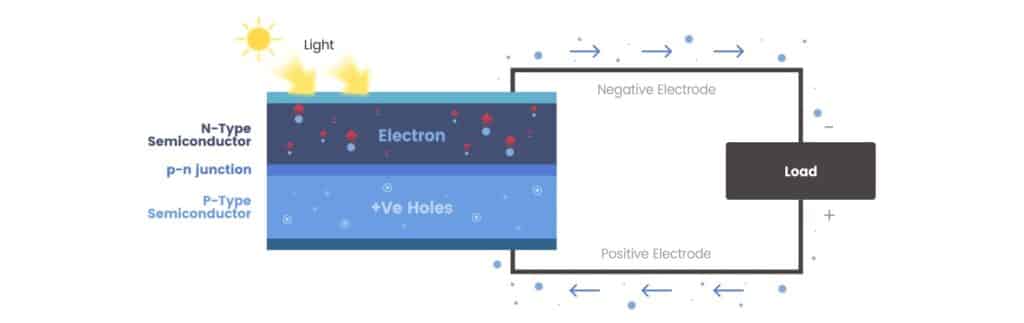
The photovoltaic effecthappens inside the solar cells. Sunlight hits the cells and knocks electrons loose. This creates an electric current. This process turns light into power.
The conversion processchanges sunlight into usable electricity. The solar cells make direct current (DC). An inverter then changes DC to alternating current (AC). AC powers homes and devices.
Credit: www.epever.com
Types Of Energy Produced
Solar panelsmainly produce Direct Current (DC) power. This is electricity that flows in one direction. It comes straight from the solar cells inside the panel. Most homes and devices use Alternating Current (AC) power. This power changes direction many times per second. To use solar power at home, the DC power must change to AC power. This change happens in a device called an inverter.
Solar panels also create heatwhen light hits them. This heat is a byproduct, not the main energy. Sometimes, this heat can warm up water or air, which helps in heating systems.
Factors Affecting Energy Output
Sunlight intensityis a key factor for solar panels. The brighter the sun, the more energy they produce. Cloudy days lower the sunlight, which cuts down power output.
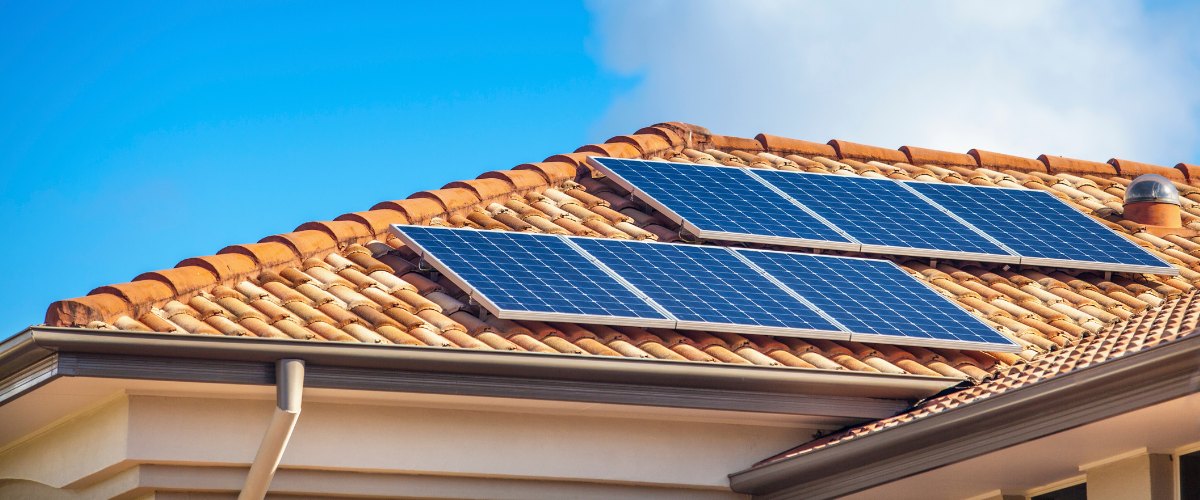
Panel angle and positionalso matter a lot. Panels should face the sun directly. Angles that catch more sunlight give better energy results. Panels fixed at wrong angles lose efficiency.
Weather conditionslike rain, snow, or dust can cover panels. This blocks sunlight and reduces energy. Regular cleaning helps keep panels working well.
Credit: www.energia.ie
Benefits Of Solar Energy
Solar energyhelps reduce pollution by cutting down harmful gases. It uses the sun’s light to make clean power. This lowers the bad effects on air and water. Plants, animals, and people all benefit from less pollution.
Using solar power saves money on electricity bills. After buying and installing panels, the sunlight is free. Homes and businesses spend less on energy over time. This is a smart way to lower monthly costs.
Solar panels give you energy independence. They work even during power outages if paired with batteries. You rely less on power companies and foreign fuels. This means more control over your own energy use.
Common Misconceptions
Energy Storage Mythsconfuse many people. Solar panels do not store energy. They only create electricity when exposed to light. Storage needs a separate device called a battery. Batteries keep power for use when the sun is not shining.
Efficiency Limitsmean solar panels cannot convert all sunlight. Most panels convert about 15-20% of sunlight into electricity. Some energy is lost due to heat and reflection. Panels work best under clear, direct sunlight.
Maintenance Needsare often less than expected. Solar panels require little care. Occasional cleaning to remove dust or leaves is enough. Regular checks ensure no shading blocks sunlight.
Future Of Solar Technology
Innovations in panelsare making solar energy more efficient and cheaper. New materials like perovskite help capture more sunlight. Panels now work better in low light or cloudy days. Some panels can even bend or be transparent. This allows them to be used on windows or curved surfaces.
Integration with smart gridshelps balance energy supply and demand. Solar power can be stored and shared easily. Smart grids use computers to control energy flow. This reduces waste and improves reliability. Homes and businesses can use solar energy more effectively.
Emerging storage solutionsallow saving solar energy for later use. Batteries are getting smaller, cheaper, and last longer. Some new types include solid-state and flow batteries. These help store power for night or cloudy days. Better storage means solar energy is more reliable.
Frequently Asked Questions
What Do Solar Panels Produce When Exposed To Sunlight?
Solar panels convert sunlight into direct current (DC) electricity using photovoltaic cells. This electricity powers homes and devices efficiently.
How Do Solar Panels Generate Electricity From Light?
Photovoltaic cells absorb sunlight, releasing electrons that create an electric current. This process transforms solar energy into usable electrical power.
Can Solar Panels Generate Energy On Cloudy Days?
Yes, solar panels still produce electricity on cloudy days but at reduced efficiency. They rely on available sunlight intensity.
What Type Of Energy Do Solar Panels Produce?
Solar panels generate direct current (DC) electricity, which is often converted to alternating current (AC) for home use.
Conclusion
Solar panels generate electricity when exposed to light. They convert sunlight into usable energy. This process supports eco-friendly power solutions. It reduces reliance on fossil fuels. Solar panels offer a sustainable energy source. They work best in sunny environments. Maintenance is simple and cost-effective.
Solar power benefits both homes and businesses. It contributes to a cleaner planet. Embracing solar energy helps combat climate change. With its growing popularity, solar technology advances rapidly. This makes it more accessible. Consider investing in solar panels. It’s a step toward a greener future.
A small change for big impact.