
Are you considering adding a standby generator to your home or business? It’s a smart move that ensures peace of mind during unexpected power outages.
But before you jump in, there’s something crucial you need to know: not all standby generator installations are the same. Different cities have unique requirements that can significantly impact your installation process. Ignoring these can lead to costly fines or even having to redo the installation.
In this guide, we’ll uncover what some cities mandate for a standby generator installation, so you can be prepared and compliant. Keep reading to ensure your installation goes smoothly and efficiently, without any legal hiccups.

Credit: www.angi.com
Permit Requirements
Many cities need permitsbefore installing a standby generator. These permits help ensure safetyand code compliance.
- Electrical permitsconfirm safe wiring and connections.
- Building permitscheck the physical installation meets rules.
- Environmental permitsmay be required for noise and emissions.
The application processusually asks for detailed plans and fees. You must submit your installation design to the city office. Some places allow online submission.
Inspection procedureshappen after installation. Inspectors check wiring, fuel storage, and system operation. Passing inspection is needed to use the generator legally.

Credit: www.cummins.com
Location Restrictions
Standby generators must follow setback distancesfrom buildings and roads. These rules keep people safe from noise and fumes. The distance often depends on the generator’s size.
Noise control zoneslimit how loud a generator can be. Some cities require special covers or enclosures to reduce sound. Quiet neighborhoods usually have stricter rules.
Generators must also keep a safe distance from property lines. This helps prevent disputes with neighbors. It also allows space for maintenance and emergency access.
Electrical Code Compliance
Wiring standardsensure all electrical connections are safe and follow local laws. Wires must be the right size and type for the generator’s power. This prevents overheating and fire risks. Proper wiring also helps the generator work well with the home’s electrical system.
Transfer switch regulationsrequire a switch that safely moves power from the main grid to the generator. This switch stops power from going back into the grid, protecting workers and equipment. It must be installed by a licensed electrician and meet city rules.
Grounding and bondingkeep the generator safe by controlling electrical faults. Grounding connects the generator to the earth to prevent shocks. Bonding links all metal parts so electricity flows safely. Both are required by code to protect people and property.
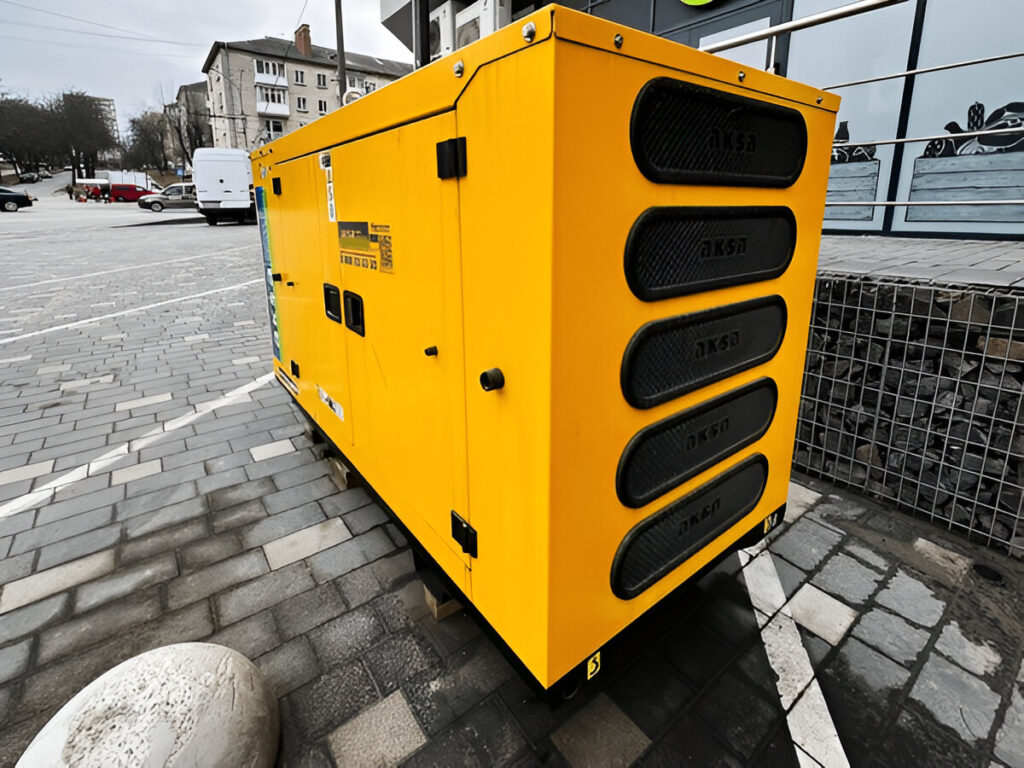
Credit: bcdieselgenerators.com
Fuel Storage Guidelines
Cities often allow natural gas, propane, and dieselfor standby generators. Some places may limit which fuel types you can use.
Fuel tanks must meet size limits. Small tanks fit under 500 gallons. Larger tanks need special permits and extra safety checks.
- Tanks should be well-ventilatedto avoid gas buildup.
- Keep tanks away from open flamesand heat sources.
- Use spill containmentsystems to catch leaks.
- Store fuel in approved containersonly.
- Regular inspectionshelp find problems early.
Emissions And Environmental Rules
Emission limitsset the maximum amount of pollutants a generator can release. Cities enforce these limits to protect air quality. Generators must meet local emission standardsto be installed.
Air quality permitsare often required before installing a standby generator. These permits ensure the generator will not harm the environment. They may require testing and documentation of emissions.
- Noise pollution controlskeep generator noise at safe levels.
- Generators must meet city noise limits to avoid disturbance.
- Sound barriers or mufflers might be needed to reduce noise.
Professional Installation Requirements
Cities often require a licensed contractorfor standby generator installation. This ensures safety and code compliance. Contractors must hold valid licenses specific to electrical and generator work.
Certification and trainingare also important. Professionals should complete approved courses to prove their skills. This training covers installation, safety rules, and local laws.
| Requirement | Description |
|---|---|
| Licensed Contractor | Must have a valid, city-recognized license for electrical work. |
| Certification | Completion of approved training programs is necessary. |
| Documentation | Submit permits and inspection reports to city officials. |
| Reporting | Provide proof of compliance after installation. |
Maintenance And Testing Regulations
Cities require routine inspectionsto ensure standby generators work safely. These inspections check fuel levels, battery health, and overall system condition. Some places demand inspections every month or quarterto avoid malfunctions during power outages.
Load testing is often mandatory to confirm the generator can handle the power demand. This test runs the generator under full or partial loadfor a set time. It helps verify reliable performance and detects any faults early.
| Requirement | Details |
|---|---|
| Routine Inspection | Monthly or quarterly checks of fuel, batteries, and parts |
| Load Testing | Running generator at full/partial load to verify performance |
| Record Keeping | Keeping logs of tests, repairs, and fuel usage for compliance |
Detailed recordsmust be kept of all maintenance and testing. These logs show compliance with city codes and help during inspections. Records usually include dates, work done, and test results.
Penalty And Enforcement
Fines for non-compliancecan be costly. Cities set specific amounts for violations related to standby generator installation. These fines aim to encourage following all rules and safety codes.
Failing inspections usually means the generator does not meet safety or installation standards. Inspectors check wiring, placement, and noise levels. A failed inspection can delay project completion and increase costs.
Remediation steps often include correcting issues found during inspection. This might involve rewiring, relocating the generator, or reducing noise. After fixes, a re-inspection is required to confirm compliance.
| Issue | Possible Penalty | Remediation |
|---|---|---|
| Improper wiring | Fine up to $500 | Rewire to code standards |
| Incorrect placement | Fine up to $300 | Move generator to approved location |
| Excessive noise | Fine up to $400 | Install noise reduction measures |
Frequently Asked Questions
What Permits Are Needed For Standby Generator Installation?
Most cities require building and electrical permits. These ensure the installation meets safety and local code standards. Always check with your city’s building department before installation to avoid fines or delays.
Are Noise Restrictions Applied To Standby Generators?
Yes, many cities have noise ordinances limiting generator sound levels. Complying with these rules prevents complaints and penalties. Using soundproof enclosures can help meet local noise requirements.
Do Cities Require Professional Installation For Standby Generators?
Some cities mandate licensed electricians or certified installers for safety. Professional installation ensures compliance with electrical codes and proper operation. Hiring experts reduces risks and guarantees a safe setup.
What Are The Setback Requirements For Generator Placement?
Cities often specify minimum distances from property lines and structures. Setbacks prevent hazards and ensure safe fuel storage and exhaust dispersion. Confirm local setback rules before choosing your generator location.
Conclusion
Cities often have specific rules for standby generator installation. These rules protect safety and keep neighborhoods quiet. Permits and inspections are common requirements. Following local codes helps avoid fines and delays. Knowing the rules before starting saves time and money.
Always check with city officials for the latest guidelines. Proper installation ensures your generator works well during power outages. Stay informed, plan carefully, and keep your home safe and powered.