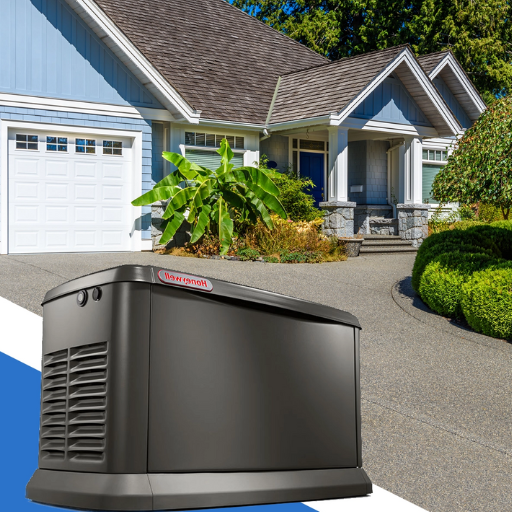
Have you ever wondered what powers a standby generator when the lights go out? Knowing what these generators run on can help you choose the right one for your home or business.
Whether you want to keep your fridge running or stay connected during a storm, understanding the fuel options is key. You’ll discover the different fuels standby generators use, how they affect performance, and which might be best for your needs.
Keep reading to make sure you’re ready the next time power fails.
Common Fuel Types
Natural gasis a common fuel for standby generators. It is clean-burning and usually delivered through underground pipelines. This fuel offers a steady supply without the need to store large amounts.
Propaneis stored in tanks and can be used when natural gas is unavailable. It burns clean and is easy to store for long periods. Propane generators work well in remote areas.
Dieselfuel is powerful and reliable. Many standby generators use diesel because it provides strong performance. Diesel needs proper storage and regular maintenance to keep fresh.
Gasolineis widely available and often used for portable generators. However, gasoline has a shorter shelf life and can be harder to store safely. It is less common for large standby units.
Natural Gas Generators
Standby generators often run on natural gas, a clean and efficient fuel source. This type of fuel is stored in pipelines, so it doesn’t require refilling. Natural gas generators provide reliable power during outages with less pollution.
Availability And Supply
Natural gasis widely available in many areas. It is supplied through pipelines directly to homes and businesses. This makes natural gas generators very reliable for continuous power. Supply is steady unless there is a major disruption. Storage tanks are not needed because the gas flows through pipelines.
Advantages
- Cleaner burningthan diesel or gasoline.
- Fuel is delivered continuouslyby pipelines.
- Lower fuel costcompared to other fuels.
- Quiet operation with less maintenance.
- Good for long-term useduring outages.
Limitations
- Not available in all remote areas.
- Requires a natural gas lineconnection.
- Gas supply can be cut offin disasters.
- Installation can be expensiveupfront.
Propane Generators
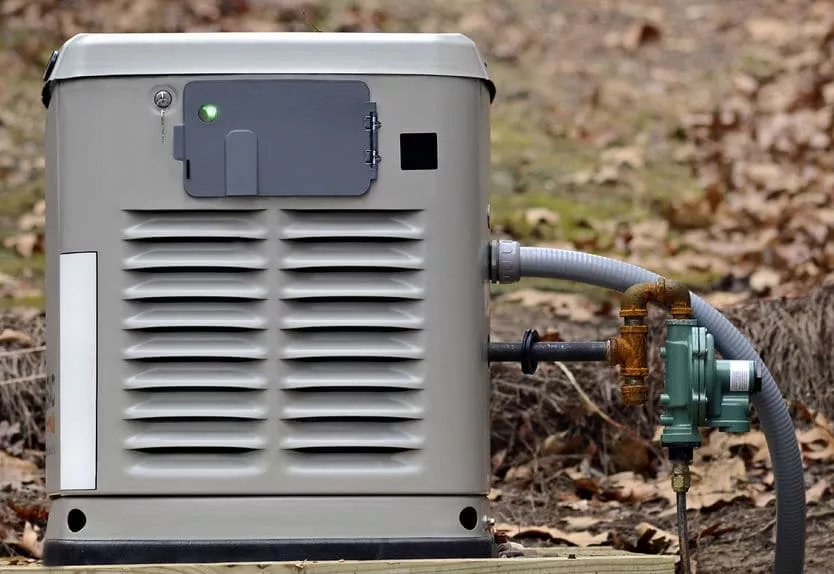
Propane generators use liquefied petroleum gas (LPG)stored in tanks. These tanks can be kept above or below ground. Propane is stored as a liquid and turns into gas when released. Proper handlingmeans keeping tanks away from heat and flames. Regular checks for leaks are important for safety.
| Benefits | Drawbacks |
|---|---|
|
|

Credit: www.aeheatingandcooling.com
Diesel Generators
Standby generators often run on diesel fuel for reliable power during outages. Diesel generators are popular due to their efficiency and durability. They provide steady energy when the main power fails.
Performance And Efficiency
Diesel generatorsare known for their strong power outputand fuel efficiency. They can run for many hours without stopping. These generators work well for heavy-duty tasksand long backup power needs. They start quickly and are reliable in cold weather.
Pros And Cons
- Pros:Long-lasting, fuel-efficient, powerful, good for heavy loads.
- Cons:Noisier than other types, produce more emissions, higher initial cost.
Maintenance Needs
Diesel generators need regular oil changesand fuel filter replacements. Checking air filters and cooling systems is important. They require periodic inspectionsto avoid breakdowns. Proper care helps them last longer and run smoothly.
Gasoline Generators
Gasoline generators are common for standby power. They run on gasoline, a liquid fuel easy to find. These generators work well for short-term power needs, like during outages or outdoor activities.
Usage Scenariosinclude:
- Power backup for small homes
- Temporary power at construction sites
- Outdoor events and camping
Advantagesof gasoline generators:
- Easy to refuelat many gas stations
- Lower upfront cost than other types
- Portable and lightweight
Disadvantagesto consider:
- Gasoline can spoil if stored long
- Shorter run time compared to other fuels
- Produces more noise and emissions
Credit: www.premium-electric.ca
Alternative Fuel Options
Bi-fueland dual-fuel systemshelp standby generators run on more than one type of fuel. They often use natural gascombined with propaneor gasoline. This gives more flexibilityand can save money. These systems switch fuel depending on availability or cost.
Renewable energy sourceslike solarand wind powerare also options. They can charge batteries that power generators. This reduces fuel useand helps the environment. Renewable energy is quiet and clean but may need backup fuel for cloudy or calm days.
Fuel Storage And Safety
Store fuelin cool, dry places away from heat sources. Use approved containersonly. Keep fuel containers tightly sealed to avoid spills and evaporation. Check containers often for leaks or damage.
Label containersclearly with fuel type and purchase date. Rotate stored fuel by using older supplies first. Avoid storing fuel near living areas or places where children can reach it.
- Keep fuel away from flames or sparks.
- Never smoke near fuel storage.
- Use proper ventilation in storage areas.
- Wear protective gloves and goggles when handling fuel.
- Store fuel in small amounts to reduce risk.
Always follow local laws and guidelines for fuel storage. Safe handling protects you, your family, and your property.
Credit: www.generac.com
Choosing The Right Fuel
Cost considerationsvary depending on fuel type. Natural gas is often cheaper than propane or diesel. Diesel costs fluctuate more. Propane prices stay stable but may be higher.
Environmental impactdiffers by fuel. Natural gas burns cleaner, producing fewer emissions. Diesel emits more pollutants. Propane is cleaner than diesel but not as clean as natural gas.
Availability factorsmatter for emergencies. Natural gas requires a connection to a gas line. Propane can be stored on-site in tanks. Diesel needs regular delivery and storage.
Generator compatibilitydepends on fuel. Some generators work only with specific fuels. Dual-fuel models offer flexibility. Check your generator’s manual for fuel type requirements.
Frequently Asked Questions
What Fuels Do Standby Generators Typically Use?
Standby generators commonly run on natural gas, propane, or diesel. Natural gas is popular for its convenience and low cost. Propane offers clean burning and long shelf life. Diesel is valued for high energy output and reliability in emergencies.
Can Standby Generators Run On Gasoline?
Gasoline is rarely used for standby generators due to storage issues. Gasoline has a short shelf life and can degrade quickly. It is more common for portable generators but less suitable for automatic standby systems.
How Long Can A Standby Generator Run Continuously?
Standby generators can run for several days if properly fueled and maintained. Natural gas and propane offer unlimited runtime with continuous supply. Diesel generators need refueling but generally support long-duration power outages efficiently.
Are Standby Generators Eco-friendly In Their Fuel Use?
Natural gas and propane standby generators emit fewer pollutants than gasoline or diesel. Propane burns cleaner with lower greenhouse gases. Natural gas is abundant and produces less carbon dioxide, making it a greener choice for standby power.
Conclusion
Standby generators offer a reliable power solution. They typically run on natural gas or propane. These fuels ensure generators work efficiently. Choosing the right fuel depends on availability and needs. Natural gas connects directly to the home’s supply. Propane requires a storage tank.
Both options are effective and widely used. Understanding fuel options helps in making informed decisions. Standby generators provide peace of mind during outages. They keep homes and businesses powered and safe. Reliable energy when it’s needed most. Consider fuel type, cost, and convenience.
Make sure your generator choice matches your requirements.