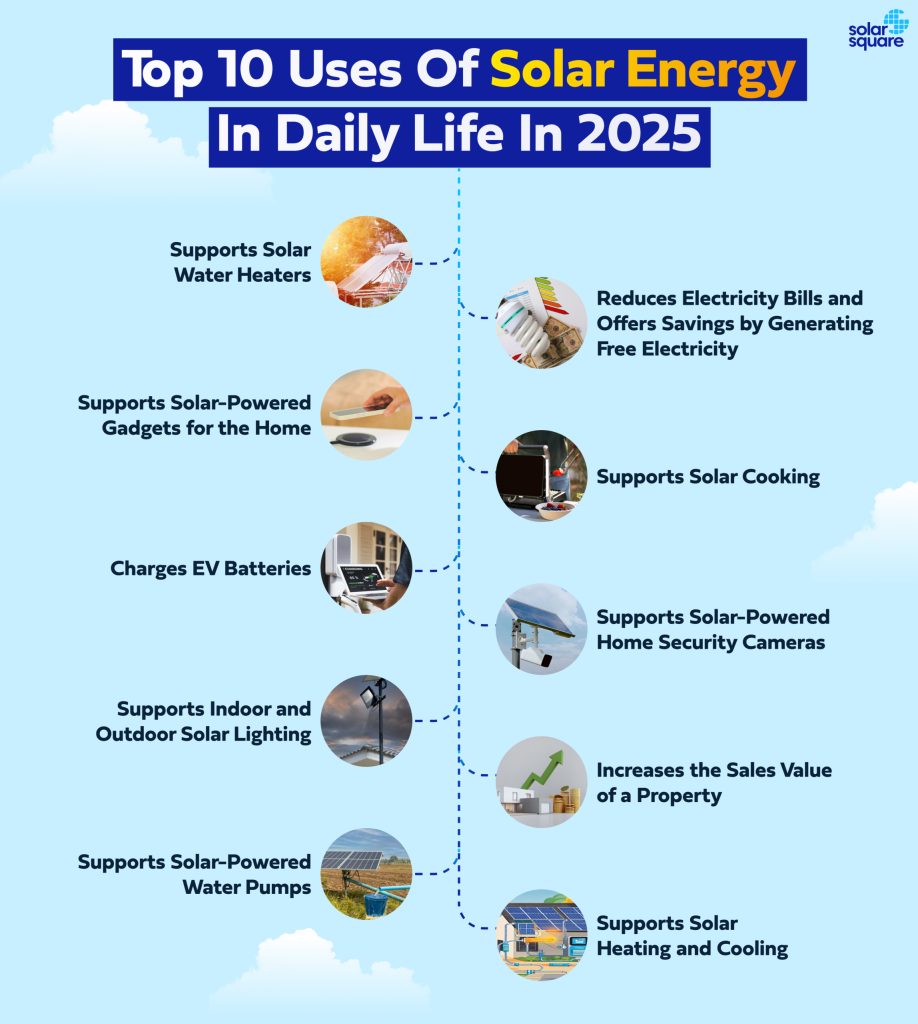
Have you ever wondered what exactly you’re selling when you generate solar energy? It’s more than just power.
By harnessing the sun’s rays, you’re offering a cleaner, brighter future. You’re selling sustainability and independence. Imagine reducing your energy bills and contributing to a healthier planet. This isn’t just about technology; it’s about a lifestyle shift. Dive in and discover how solar energy can transform your home and your life.
Uncover the hidden benefits and see how you can make a difference today. Stay with us to explore the true value of solar energy.

Credit: www.caribsunenergy.net
Solar Energy As A Marketable Asset
Solar energyis mainly sold as electricity. Solar panels turn sunlight into electricity. This electricity can power homes or businesses. Sometimes, extra electricity is saved in batteries. These batteries store energy for use at night or on cloudy days.
Electricity can also be sent back to the power grid. This is called net metering. It allows solar users to get credit for the extra power they produce. Credits reduce future electricity bills.
| Energy Storage Options | Details |
|---|---|
| Battery Storage | Stores electricity for later use, useful at night or cloudy days |
| Grid Connection | Sends extra power to the grid and earns credits via net metering |
| Direct Use | Uses solar power immediately to reduce electricity bills |
Credit: www.moneysavingexpert.com
Types Of Solar Energy Products
Surplus electricity saleshappen when solar panels make more power than needed. This extra power goes back to the grid. You can get paid for this extra energy. It helps save money on electric bills.
Renewable Energy Certificates (RECs)are proof that your energy is green. Each certificate shows one megawatt-hour of clean energy made. You can sell these certificates to companies that want to use green power.
Solar Power Agreementslet others buy or lease your solar system. This way, they pay for the solar energy you produce. It creates a steady income without selling the panels.
Monetizing Solar Energy
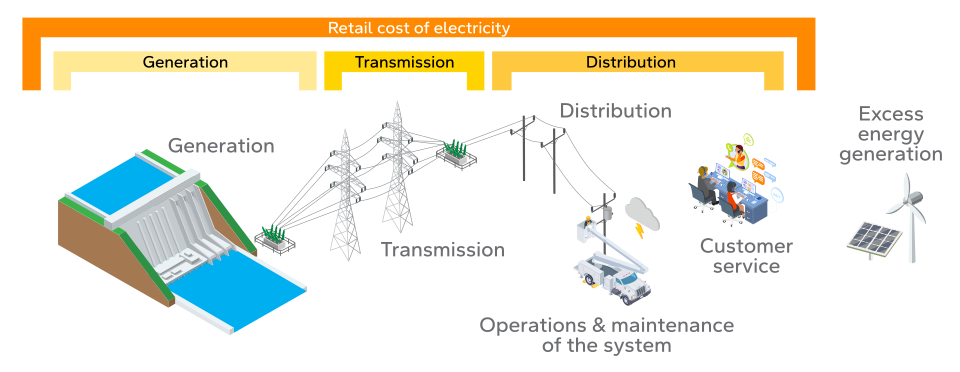
Solar energy producers can earn money by selling the power they generate. Utility companiesoften buy excess electricity from solar panel owners through special agreements. This helps balance the grid and rewards solar users.
Peer-to-peer energy tradinglets neighbors trade solar power directly. It creates a small network where people sell extra energy to others nearby. This system can lower costs and improve energy use locally.
Some solar owners sell power directly to consumers. They set prices and make deals with homes or businesses. This method can provide steady income and help buyers get cleaner energy.
Credit: www.hydro.mb.ca
Financial Incentives And Programs
Government rebates and tax creditshelp reduce the cost of solar systems. They lower your upfront payment and save money over time. Many countries offer these benefits to encourage solar use.
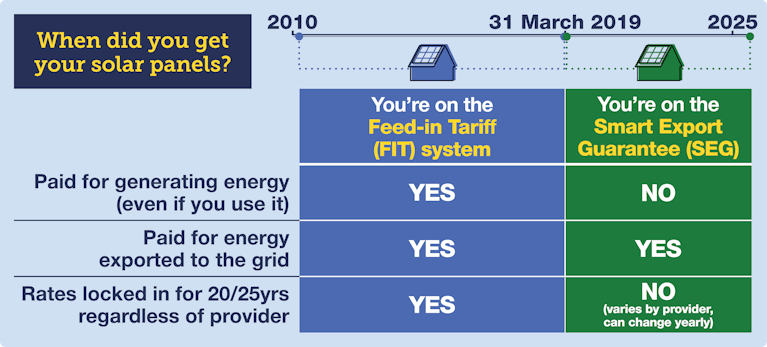
Feed-in tariffspay you for the electricity your solar panels produce. You sell extra energy back to the grid at a set rate. This provides a steady income and helps recover installation costs.
Green energy subsidiessupport cleaner energy projects. These funds may cover parts of your solar setup or maintenance. They make solar energy more affordable and promote eco-friendly choices.
Maximizing Solar Profits
Maximizing solar profitsdepends on several key factors. Optimizing system efficiencymeans keeping panels clean and ensuring they face the sun properly. Regular checks and maintenance help produce more electricity.
Choosing the right marketis important. Some places pay more for solar energy. Research local rates and policies. Selling energy to the grid or using it at home both have benefits.
| Market Type | Advantages | Considerations |
|---|---|---|
| Feed-in Tariff | Fixed price, stable income | May have contract length limits |
| Net Metering | Use energy, save on bills | Depends on local utility rules |
| Direct Selling | Potential higher prices | Requires market knowledge |
Long-term contract strategiesoffer steady income. Contracts with utilities or companies can last years. They reduce risk and help plan finances. Always read contract terms carefully.
Challenges In Solar Energy Sales
Solar energy sales face several challengesthat slow growth and create uncertainty.
Regulatory hurdlesoften delay projects. Rules vary by region and can be complex. This makes it hard to get permits and approvals quickly.
Market fluctuationsaffect prices and demand. Solar energy prices can change due to supply and demand shifts. This creates risk for sellers and buyers alike.
Technical limitationsinclude storage and efficiency issues. Solar panels work best under certain conditions. Energy storage remains costly and limits supply when the sun is not shining.
Future Trends In Solar Energy Commerce
Blockchain technologyhelps people trade solar energy safely. It keeps track of energy sales in a clear way. This makes buying and selling faster and more fair.
New batteriesand storage tools store solar power longer. This means more energy can be saved for night or cloudy days. It also helps balance supply and demand better.
| Trend | Impact |
|---|---|
| Blockchain and Energy Trading | Secure, fast, and fair solar energy sales |
| Advancements in Storage Technology | Longer energy storage, stable supply |
| Expanding Renewable Markets | More countries and businesses use solar power |
Solar energy markets grow as more people want clean power. Businesses and homes join this green movement. This helps reduce pollution and saves money.
Frequently Asked Questions
What Do You Sell When Generating Solar Energy?
You sell surplus electricity produced by your solar panels. This energy can be fed back into the grid. Utilities buy this power, helping you earn credits or payments. This process is often called net metering or feed-in tariff.
How Does Selling Solar Energy Benefit Homeowners?
Selling solar energy reduces electricity bills and generates income. It helps homeowners recover solar installation costs faster. Additionally, it promotes clean energy use, reducing carbon footprint. Some states offer incentives for selling solar power, enhancing financial benefits.
Can Businesses Profit From Selling Solar Energy?
Yes, businesses can sell excess solar energy to the grid. This creates an additional revenue stream and lowers operational costs. Many commercial solar programs offer favorable rates for energy sold. It also improves sustainability credentials, attracting eco-conscious customers.
What Is Net Metering In Solar Energy Sales?
Net metering allows solar owners to sell excess energy to utilities. It credits your account for the power sent to the grid. This reduces your electricity bill by offsetting energy consumption. Net metering policies vary by location and utility company.
Conclusion
Solar energy lets you sell clean electricity to the grid. You earn money by sharing extra power you don’t use. This helps reduce your bills and supports the environment. It also encourages more use of renewable energy sources. Selling solar energy benefits both your wallet and the planet.
It’s a smart way to make your solar panels work for you. Energy you generate becomes a valuable resource, not just savings. Small steps like these add up to big changes.