Have you ever wondered how much energy an acre of solar panels can produce? If you’re thinking about going solar or just curious about its impact, understanding this can help you see the real power behind those shiny panels.
Knowing how much electricity comes from an acre of solar panels can change the way you think about energy costs, savings, and even your carbon footprint. Keep reading, and you’ll discover surprising facts that might just spark your interest in harnessing the sun’s energy for your own needs.

Credit: bridgemi.com
Solar Panel Capacity Per Acre
An acre can hold about 350 to 400 solar panels. This number depends on the panel size and the space between them.
Most solar panels have a wattage rating between 250 and 400 watts. Higher watt panels produce more electricity but may cost more.
| Panel Count per Acre | Typical Wattage | Total Capacity per Acre |
|---|---|---|
| 350 panels | 300 watts | 105,000 watts (105 kW) |
| 400 panels | 350 watts | 140,000 watts (140 kW) |
Energy Output Factors
The amount of sunlight hoursa location gets daily is very important. More sunlight means more energy from solar panels. Places near the equator often have longer sunlight hours.
Panel efficiencyshows how well solar panels turn sunlight into electricity. Panels with higher efficiency create more power from the same space. This can change the total energy output a lot.
Geographic locationaffects sunlight type and weather. Cloudy or shaded areas lower energy production. Locations with clear skies and strong sun rays produce the most energy.
Annual Energy Generation
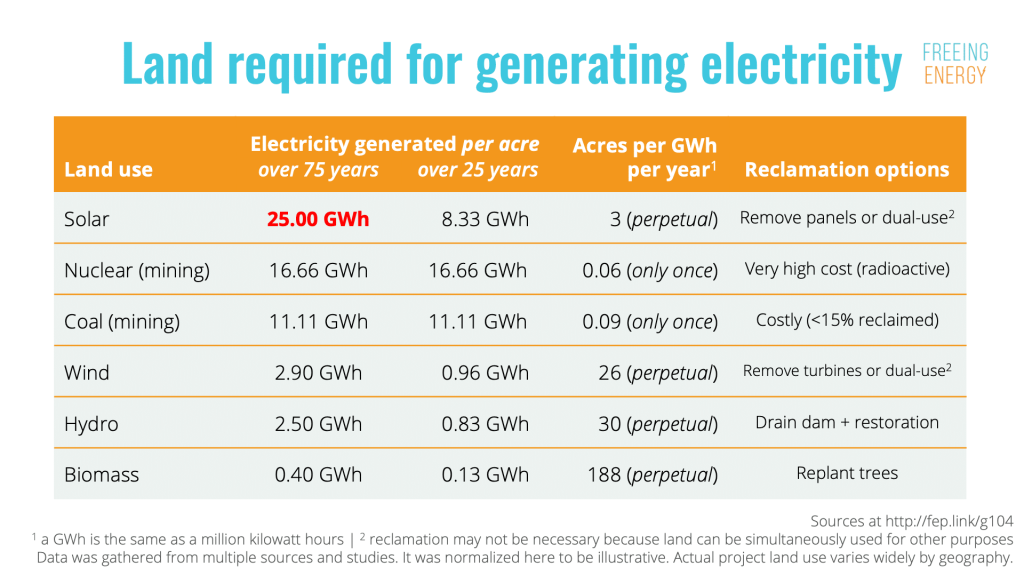
An acre of solar panels can generate about 350,000 to 400,000 kilowatt-hours (kWh)per year. This depends on the panel type and sunlight available. To calculate kWh, multiply the panel’s wattage by hours of sunlight, then adjust for efficiency losses.
Seasonal changes affect energy output. Summer months provide more sunlight, leading to higher power generation. In winter, shorter days and cloud cover reduce output. Solar panels still produce energy on cloudy days but at a lower rate.
| Season | Sunlight Hours | Energy Output |
|---|---|---|
| Summer | 8-10 hours/day | High |
| Spring/Fall | 5-7 hours/day | Moderate |
| Winter | 3-4 hours/day | Low |
Real-world Examples
Acre-sized solar panels can produce enough electricity to power dozens of homes yearly. Farms in sunny areas often generate over one million kilowatt-hours annually from one acre. This clean energy helps reduce fossil fuel use and lowers electricity bills.
Residential Solar Farms
An acre of solar panels on a home farm can produce about 350,000 to 450,000 kWhannually. This depends on the location and sunlight hours. Such farms usually power 30 to 40 homeseach year. Panels here are often smaller but still efficient. They help reduce electricity bills and carbon footprints.
Commercial Installations
Commercial solar farms use larger panels and advanced tech. An acre in this setting can generate around 400,000 to 500,000 kWhyearly. This energy can support 40 to 50 average businesses. These installations often have better setups for sun tracking and cooling. This boosts power output significantly.
Benefits Of Large-scale Solar
An acre of solar panels can produce enough electricity to power dozens of homes yearly. Large-scale solar reduces energy costs and lowers carbon emissions significantly. This clean energy supports communities and helps protect the environment.
Environmental Impact
Solar energyproduces clean electricitywithout air pollution. It helps reduce greenhouse gas emissionsthat cause climate change. A large solar farm can power many homes without using fossil fuels. Solar panels also use no water, unlike some power plants. This saves water and protects rivers and lakes. Using solar energy lowers the need for coal and gas, which harm nature.
Cost Savings
Solar panels reduce electricity bills for homes and businesses. After the initial setup, solar energy is free. Large solar farms can sell electricity at lower prices. This helps communities save money. Over time, solar power systems pay for themselves. Maintenance costs are also very low. These savings make solar energy a smart choice for many people.

Credit: www.dailynews.com
Maximizing Acreage Efficiency
Panel layoutsaffect how much energy an acre of solar panels can produce. Panels spaced too close may block sunlight. Proper spacing helps capture more sun rays. Rows should face south in the northern hemisphere to catch full sunlight. Angles matter too; fixed tilt or adjustable tilt setups change how panels receive light through the day and seasons.
Tracking systemshelp solar panels follow the sun’s path. This can boost energy output by 15% to 30%. There are two main types:
- Single-axis trackersrotate panels east to west.
- Dual-axis trackersmove panels both north-south and east-west for more sun exposure.
Choosing the right layout and tracking system can maximize the power generated per acre.

Credit: x.com
Frequently Asked Questions
How Much Electricity Does An Acre Of Solar Panels Produce?
An acre of solar panels typically generates around 350,000 to 400,000 kWh annually. This depends on panel efficiency, location, and sunlight availability. The output can power 30 to 40 average U. S. homes for a year, making it a significant renewable energy source.
How Many Solar Panels Fit In One Acre?
Approximately 4,000 to 5,000 solar panels fit in one acre. This varies based on panel size and spacing requirements for maintenance and optimal sunlight exposure. The layout design impacts the total number of panels installed per acre.
What Factors Affect Solar Panel Energy Generation Per Acre?
Energy generation depends on sunlight hours, panel efficiency, shading, and weather conditions. Geographic location plays a key role, with sunnier regions producing more power. Proper maintenance and clean panels also maximize energy output from each acre.
Can One Acre Of Solar Panels Power A Home?
Yes, one acre can power about 30 to 40 average homes annually. This depends on household energy use and solar panel efficiency. An acre of solar panels provides enough clean energy for multiple residences, reducing reliance on fossil fuels.
Conclusion
An acre of solar panels generates substantial energy. This energy powers homes and businesses. It reduces electricity costs. Solar energy is eco-friendly. It helps the environment by lowering carbon footprints. Installing solar panels can be a smart investment. Sunlight is free and abundant.
The renewable energy sector grows rapidly. More people turn to solar solutions. It’s a step towards a greener future. Consider solar for sustainable living. It benefits both individuals and the planet.