
Are you tired of power outages disrupting your daily life? Imagine never having to worry about spoiled food in your fridge or missing an important work deadline because of a blackout.
Installing a standby generator might be the solution you’ve been looking for. But before you make this empowering decision, you probably have one crucial question: What does it cost to install a standby generator? Understanding the financial investment involved is key to making an informed choice.
We’ll break down the costs, explore the factors that can influence them, and help you evaluate whether this investment is right for your home. Stick with us, and by the end, you’ll have a clear picture of what to expect, saving you from unexpected surprises. Ready to dive in? Let’s uncover the true cost of power security for your home.
Standby Generator Basics
Standby generators provide power automatically when the main power fails. They start within seconds of an outage.
There are three main types of standby generators:
- Natural Gas Generators:Use natural gas from a pipeline. Clean and reliable.
- Propane Generators:Use propane stored in tanks. Good for areas without gas lines.
- Diesel Generators:Use diesel fuel. Strong and often used for large homes or businesses.
These generators connect to a home’s electrical system. They sense power loss and start automatically. Power is restored fast, keeping lights and appliances running.
Benefits include:
- Safety:Keeps essentials like refrigerators and heaters on during outages.
- Comfort:No need to worry about blackouts.
- Value:Can increase home value and insurance options.
- Convenience:No manual setup or refueling needed.

Credit: www.angi.com
Factors Affecting Installation Costs
The size and capacityof the generator affect the total cost. Larger generators cost more and need more space. Fuel type is another key factor. Natural gasand propaneare common choices. Diesel models tend to cost more but last longer.
Installation complexity changes the price too. Easy setups cost less. Complex sites need extra labor and materials, raising the cost. Some locations require permits and inspections. Fees for these vary by area and add to the total expense.
| Factor | Impact on Cost |
|---|---|
| Generator Size and Capacity | Higher capacity means higher price |
| Fuel Type | Natural gas and propane are cheaper than diesel |
| Installation Complexity | Simple setups cost less; complex ones cost more |
| Permits and Inspection Fees | Costs vary by location and add to total |
Price Breakdown By Generator Size
Generator size affects installation cost, with larger units generally costing more. Small generators suit basic needs, while bigger ones support entire homes or businesses. Understanding this helps plan your budget accurately.
Small Generators
Small generators usually cost between $500 and $2,000. They work well for basic power needs like a few lights or a fridge. Installation costs can add $500 to $1,500. These units are easy to install and take less space.
Medium Generators
Medium generators cost around $2,000 to $5,000. They power more appliances, including heating or cooling systems. Installation fees may range from $1,000 to $3,000. These generators need more space and professional setup.
Large Generators
Large generators cost between $5,000 and $10,000 or more. They provide power for whole homes or small businesses. Installation can cost $2,000 to $5,000. These require strong wiring and sometimes permits.

Credit: www.homestars.com
Additional Installation Expenses
Electrical upgradesmay be needed to support the new generator. These can include new wiring or panel improvements. Costs vary by home size and existing system.
Concrete pads and mountingprovide a stable base for the generator. The size and thickness of the pad affect the price. A good pad keeps the generator level and safe.
Transfer switch installationconnects the generator to your home’s electrical system. It allows automatic power switching during outages. This part is essential and requires a professional electrician.
Labor chargescover the time and skill of the installer. Rates depend on location and job complexity. Experienced technicians ensure safe and correct installation.
Comparing Fuel Options And Costs
Natural gas generatorsuse gas from your home supply. They are cost-effectiveand fuel is usually cheaper. These generators run smoothly and need less maintenance. However, they depend on gas lines, which might not work in disasters.
Propane generatorsuse liquid propane stored in tanks. Propane is clean and burns well. Tanks can be stored safely and last long. Propane costs more than natural gas but offers reliable fuel storage.
Diesel generatorsrun on diesel fuel. Diesel is powerful and good for heavy use. These generators last longer but need more maintenance. Diesel fuel can be costly and harder to store safely.
| Fuel Type | Cost | Fuel Storage | Maintenance | Reliability |
|---|---|---|---|---|
| Natural Gas | Low | Connected to gas line | Low | Good (depends on gas line) |
| Propane | Medium | Stored in tanks | Medium | High |
| Diesel | High | Stored in drums | High | Very High |
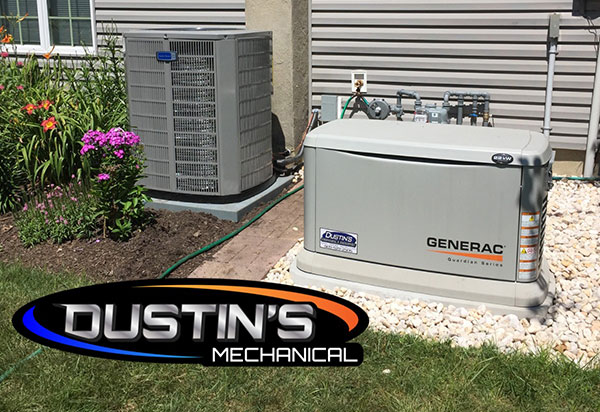
Credit: dustinsmechanical.com
Maintenance And Operating Costs
Routine maintenance is key for a standby generator’s performance. Regular oil changes, air filter replacements, and battery checks keep it running smoothly. Expect to spend around $100 to $300yearly on these tasks. Testing the system monthly ensures it works during outages.
Fuel consumption varies by generator size and run time. Typical natural gas generators use about 6 to 10 gallonsper hour at half load. Propane models may use slightly more. Fuel costs depend on local prices and how often the generator runs.
| Cost Factor | Estimated Annual Cost | Notes |
|---|---|---|
| Routine Maintenance | $100 – $300 | Oil, filters, battery, inspections |
| Fuel | $200 – $800 | Depends on fuel type and usage |
| Repairs & Parts | $100 – $500 | Unexpected fixes over time |
| Replacement Parts | $50 – $200 | Filters, spark plugs, belts |
Long-term costs include parts replacement and possible repairs. Keeping the generator clean and dry reduces wear. Planning for these expenses helps avoid surprises.
Ways To Save On Installation
Choosing the right generator sizesaves money by avoiding extra capacity costs. A generator too big wastes fuel and money. A size too small may not power all needed appliances. Check your home’s power needs carefully before buying.
DIY vs professional installationaffects total cost. DIY can be cheaper but needs skills and tools. Mistakes might cause damage or safety risks. Professionals ensure safe and correct setup but charge more. Balance cost with your confidence and experience.
Available incentives and rebatescan reduce installation costs. Many local governments and utility companies offer discounts or rebates. Check online or ask dealers about current programs. These savings can lower your upfront investment significantly.
Frequently Asked Questions
What Factors Affect Standby Generator Installation Cost?
Installation cost depends on generator size, fuel type, and electrical complexity. Location and permits also impact the total expense. Professional labor and additional materials increase costs. Understanding these helps in budgeting accurately for your standby generator setup.
How Much Does A Typical Standby Generator Cost?
A typical standby generator costs between $3,000 and $7,000. Installation can add $2,000 to $5,000 more. Overall, expect to spend $5,000 to $12,000 for a complete setup. Prices vary based on power capacity and installation requirements.
Are There Ongoing Costs After Installation?
Yes, standby generators require fuel, maintenance, and occasional repairs. Annual servicing costs range from $100 to $300. Fuel expenses depend on generator type and usage frequency. Proper upkeep ensures reliable performance and extends generator lifespan.
Can I Install A Standby Generator Myself?
Installing a standby generator requires professional expertise for safety and code compliance. DIY installation is not recommended due to electrical and fuel handling risks. Hiring licensed electricians ensures correct setup and avoids potential hazards.
Conclusion
Installing a standby generator comes with various costs to consider. Prices depend on generator size, installation complexity, and additional parts. Choosing the right option helps protect your home during power outages. Budgeting carefully avoids surprises and ensures smooth installation. A standby generator provides peace of mind and reliable power backup.
Think about your needs and costs before making a decision. This way, you stay safe and comfortable when the power goes out.