Imagine harnessing the power of the sun right from your rooftop. It’s fascinating, isn’t it?
You might be wondering how much electricity a single solar panel can actually generate. Understanding this could be the key to transforming your energy consumption and saving on those hefty utility bills. We’ll break down the basics of solar panels, explaining exactly what one panel can produce for you.
Whether you’re considering a complete solar setup or just curious about the technology, knowing these details can empower your decisions. So, if you’re ready to discover the potential of solar energy and how it can benefit your home, read on. The insights might just surprise you.

Credit: solarsme.com
Solar Panel Basics
Solar panels come in different types. The most common are monocrystalline, polycrystalline, and thin-filmpanels. Monocrystalline panels are made from a single crystal and are very efficient. Polycrystalline panels have multiple crystals and cost less but are slightly less efficient. Thin-film panels are light and flexible but produce less power.
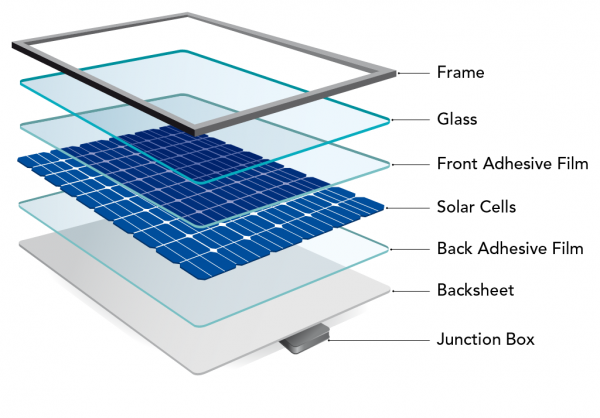
Each solar panel has key componentsthat work together. The solar cellscapture sunlight and turn it into electricity. The glass layerprotects cells from weather. The frameholds everything tightly. A backsheetprotects the panel from damage. Wires and junction boxes connect panels to the power system.

Credit: phys.org
Measuring Solar Panel Output
Wattage ratingsshow the power a solar panel can produce. Most panels range from 250 to 400 watts. This number tells how much energy the panel makes under perfect sun conditions. It helps to compare different panels easily.
Several factors affect output. Sunlight strength changes during the day and year. Clouds or shade can lower power. The panel’s angle and direction matter too. Dirt or dust on panels reduces energy. Temperature plays a role; very hot panels make less power.
Daily Energy Generation
A single solar panel can produce around 250 to 400 wattsof power under ideal conditions. The daily energy generationdepends mainly on the average sunlight hoursthe panel receives.
Sunlight hours vary by location and season. For example, a solar panel in a sunny area like Arizona might get about 6 to 8 hoursof good sunlight per day. In contrast, a panel in Seattle may only get 3 to 4 hours.
Here is a simple table showing the estimated daily energygenerated by a 300-watt panel in different sunlight conditions:
| Average Sunlight Hours | Daily Energy Generation (Watt-hours) |
|---|---|
| 3 hours | 900 Wh |
| 5 hours | 1500 Wh |
| 7 hours | 2100 Wh |
Impact of locationis clear. More sunlight means more energy. Clouds, shade, and panel angle also affect output.
Seasonal And Weather Effects
Winter solar outputis usually lower than summer. Days are shorter and sunlight is weaker. Snow or frost on panels can block light.
Summer panelsget more sun hours and stronger rays. This means higher energy production. But very hot weather can slightly reduce efficiency.
| Factor | Effect on Solar Panel Output |
|---|---|
| Cloud Cover | Reduces sunlight reaching panels; lowers energy by 10-25% |
| Shading | Blocks sun on parts of the panel; can greatly cut output |
- Panels need direct sunlight for best power.
- Even small shadows cause big drops in energy.
- Cleaning panels helps reduce loss from dirt or snow.
Efficiency And Degradation
Solar panels produce electricity based on their efficiency, which can decrease over time. Degradation reduces power output but is usually slow and predictable. Understanding this helps estimate how much energy one panel can generate annually.
Panel Efficiency Ratings
Solar panel efficiencyshows how well a panel turns sunlight into electricity. Most panels have efficiency between 15% and 22%. Higher efficiency means more power in less space. Efficiency depends on the panel’s material and design. Panels with higher efficiency cost more but generate more electricity.
Lifespan And Performance Drop
Solar panels last about 25 to 30 years. Over time, their power output slowly drops. This is called degradation. Typical degradation rate is around 0.5% per year. After 25 years, a panel may produce about 87.5% of its original power. Proper care and cleaning can help keep panels working well for longer.

Credit: finray.solar
Real-world Energy Examples
A single solar panel can produce around 250 to 400 wattsof power. This amount varies based on sunlight, panel size, and efficiency.
For residential use, one panel can power small devices like lights, fans, or charge batteries. A typical home needs about 20-30 panelsto cover most electricity needs.
In commercial installations, many panels work together to create large solar farms. These farms can generate hundreds of kilowatts to megawattsof power, enough for offices, factories, or even small towns.
| Use Case | Power Output per Panel | Example |
|---|---|---|
| Residential | 250-400 Watts | Power small appliances, lights |
| Commercial | Thousands of Watts (combined) | Power offices, factories |
Maximizing Solar Panel Output
A single solar panel usually generates between 250 to 400 watts of power. Output depends on sunlight, panel size, and efficiency. Understanding this helps optimize energy use and savings.
Optimal Placement
Solar panels need to face the sun directly to work best. Placing panels where they get sunlight most of the day helps a lot. Avoid shadows from trees or buildings. The angle of the panels should match the roof tilt or latitude for more power. Clean panels catch more sun rays.
Maintenance Tips
- Keep panels clean from dust and dirt.
- Check for cracks or damage regularly.
- Trim nearby plants that cause shade.
- Inspect wiring to avoid power loss.
- Schedule professional check-ups every year.
Frequently Asked Questions
How Much Electricity Does One Solar Panel Produce Daily?
One solar panel typically generates 250 to 400 watts per hour. Daily output depends on sunlight, location, and panel efficiency. On average, a single panel produces 1 to 4 kilowatt-hours (kWh) of electricity per day under optimal conditions.
What Factors Affect Solar Panel Energy Generation?
Solar panel output depends on sunlight hours, panel angle, shading, and temperature. Weather conditions and geographic location also influence energy production. Proper installation and maintenance maximize efficiency and daily electricity generation.
Can One Solar Panel Power Household Appliances?
A single solar panel can power small appliances like lights and fans. Larger appliances need multiple panels or battery storage. The total energy needed determines how many panels are required for a household.
How Long Do Solar Panels Generate Electricity Effectively?
Solar panels generally last 25 to 30 years with minimal efficiency loss. They maintain about 80-90% of their capacity after 20 years. Regular cleaning and maintenance help sustain their energy generation over time.
Conclusion
A single solar panel can generate a surprising amount of energy. It depends on its size, location, and sunlight hours. This energy helps reduce electricity bills and lowers carbon footprints. Solar panels work quietly and need little maintenance. They offer a clean and renewable power source.
Choosing solar energy supports a greener future. Small steps like installing one panel make a big difference. Solar power is simple, effective, and good for the planet. Consider solar panels as part of your energy solution. The sun provides free energy every day.