Have you ever wondered what happens when the power goes out unexpectedly? You might find yourself searching for a flashlight or lighting candles.
But imagine a solution that keeps your lights on and your appliances running smoothly, even during a blackout. That’s where a standby generator comes in. If you’ve heard the term but aren’t quite sure what it means or how it can benefit you, you’re in the right place.
We’ll demystify standby generators, explaining how they work, why you might need one, and how they can bring peace of mind during power outages. You’ll discover why more homeowners and businesses are choosing standby generators as their go-to power backup solution. Ready to explore? Let’s dive in and ensure you’re never left in the dark again.

Credit: www.achrnews.com
What Is A Standby Generator
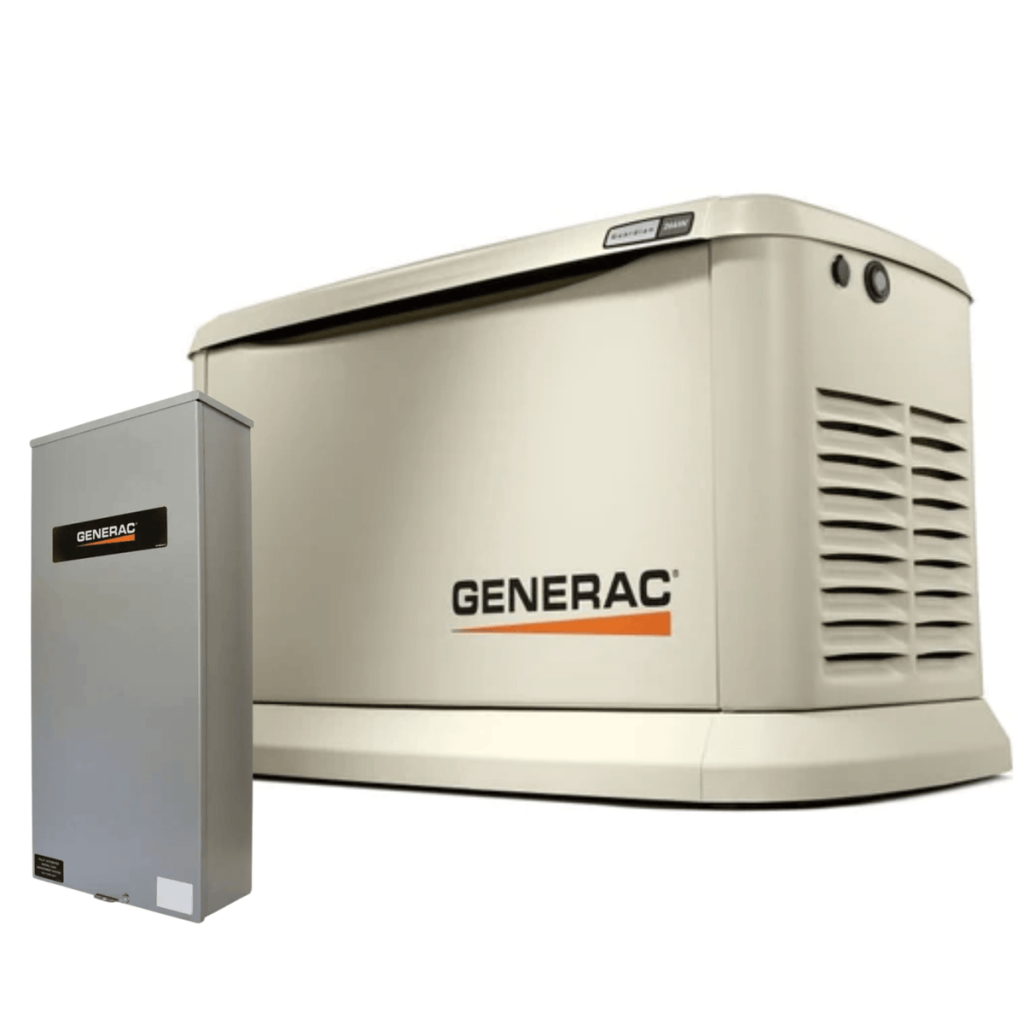
A standby generatoris a machine that provides power automatically. It works when the main electricity goes out. It turns on by itself and keeps your home or business running. You don’t need to do anything. It is connected to your fuel source like gas or propane. The generator sends power through your home’s wiring. This keeps lights, appliances, and devices working during an outage.
There are several types of standby generators. Each type uses different fuel and power sizes. Choosing the right one depends on your needs and budget.
| Type | Fuel Source | Use |
|---|---|---|
| Natural Gas | Natural Gas | Good for homes with gas lines |
| Propane | Propane Tanks | Works where gas lines are not available |
| Diesel | Diesel Fuel | Used for larger homes or businesses |
| Gasoline | Gasoline | Less common for standby, more for portable use |
How Standby Generators Work
A standby generator starts automatically when the main power goes out. It senses the outage and powers up in seconds. This quick action keeps your home or business running without interruption.
The generator uses fuel like natural gas or propane. It runs an engine that creates electricity. This power goes through a transfer switch that moves the electrical load from the main grid to the generator.
| Power Supply Mechanism | Description |
|---|---|
| Fuel Source | Natural gas or propane fuels the engine. |
| Engine Operation | The engine converts fuel into electrical power. |
| Transfer Switch | Switches power source from grid to generator. |
| Power Output | Electricity powers home or business circuits. |
Benefits Of Standby Generators
Standby generatorsprovide a continuous power supplyduring outages. They start automaticallywhen power fails. This means no need to plug in or start them manually. Homes and businesses can keep running without interruption.
They add safety and convenienceby powering essential devices. Medical equipment, security systems, and refrigerators stay on. This helps protect health and property. Also, no need to worry about food spoiling or alarms stopping.
Cost-effectiveness over timecomes from fewer losses. No spoiled food or lost work time. Standby generators use fuel efficientlyand need less maintenance than portable models. They can save money by avoiding damage and downtime.
Choosing The Right Standby Generator
Assessing power needsis key to choosing the right standby generator. List all appliances and devices that must stay on during an outage. Calculate their total wattage to find the generator size needed. Consider starting watts for devices with motors, like refrigerators.
Fuel optionsinclude natural gas, propane, and diesel. Natural gas is often cheaper and has a steady supply if connected to a utility line. Propane is clean and stores well but needs refilling. Diesel is powerful but can be noisy and needs safe storage.
Installation requires space and proper ventilation. Generators should be placed outdoors, away from windows and vents. Local codes may require permits and professional installation. A transfer switch is needed to safely connect the generator to your home’s electrical system.
Maintenance And Troubleshooting
Routine checks keep the standby generatorready to work anytime. Check the oil levelmonthly and change it as the manual says. Inspect the batteryfor corrosion and tight connections. Clean the air filter to avoid dust blocking airflow. Test the generator by running it for about 30 minutes monthly to ensure it starts easily and runs smoothly.
Common issues include failure to start, low power output, and fuel problems. Check fuel supply and quality first. Replace old fuel if needed. Listen for strange noises that may signal mechanical trouble. Clean spark plugs and replace if worn out. Tighten any loose wires or connections.

Credit: www.angi.com
Comparing Standby Generators With Portable Generators
Standby generatorsusually provide more power than portable ones. They can power an entire house or building. Portable generators are smaller and best for few appliances or tools.
Using a standby generator is easier because it starts automatically during power cuts. Portable generators need manual start and fuel handling. Standby models stay connected to your home’s wiring.
| Aspect | Standby Generator | Portable Generator |
|---|---|---|
| Power Capacity | High, powers whole home | Lower, powers few devices |
| Ease of Use | Automatic start, wired | Manual start, portable |
| Cost | Higher initial cost, long-term value | Lower cost, less durable |
Regulations And Safety Tips
Installation codesensure standby generators are set up safely. Local rules may vary, so check with authorities before installation. Generators must be placed away from windows and vents to avoid gas leaks inside buildings. Proper grounding is essential to prevent electrical shocks. Permits are often required to meet safety standards. Licensed professionals should handle installation to avoid risks and fines.
Safe operation practices help protect people and property. Always test the generator regularly to confirm it works during power outages. Never operate a generator indoors or in closed spaces to avoid carbon monoxide poisoning. Keep the generator dry and away from water to prevent electrical hazards. Turn off the generator and let it cool before refueling to avoid fires. Store fuel safely, away from flames and heat sources.

Credit: www.achrnews.com
Future Trends In Backup Power
Standby generators provide automatic backup power during outages. They turn on quickly to keep homes and businesses running smoothly. Advances in technology make these generators more efficient and reliable for the future.
Smart Technology Integration
Standby generatorsare becoming smarter. They can connect to your phone or smart home system. This allows easy controland monitoringfrom anywhere. Some models can detect power outages and start automatically. They also send alerts if there is a problem. This helps keep your home safe and powered.
Eco-friendly Solutions
Many new standby generators use cleaner fuelslike natural gas or propane. These produce fewer harmful gases. Solar-powered generators are also growing in popularity. They use the sun’s energy to create power. This helps reduce pollution and protect the environment. People want backup power that is both reliableand good for the planet.
Frequently Asked Questions
What Is A Standby Generator Used For?
A standby generator provides backup power during outages. It automatically activates when the main power fails. This ensures continuous electricity for homes or businesses.
How Does A Standby Generator Work?
It detects power loss and starts automatically. It supplies electricity until the main power returns. Then, it shuts off and waits for the next outage.
What Fuels Power A Standby Generator?
Standby generators commonly use natural gas, propane, or diesel. These fuels ensure reliable, long-lasting power during outages. Fuel choice depends on availability and generator type.
Are Standby Generators Noisy?
Modern standby generators are designed to run quietly. Sound levels vary by model and size. Many come with noise-reducing enclosures to minimize disturbance.
Conclusion
A standby generator means power when the main source stops. It turns on automatically during outages. This keeps your home or business running without worry. You don’t need to start it yourself. It is a useful backup tool for safety and comfort.
Choosing the right one depends on your power needs and budget. Understanding what a standby generator means helps you prepare better. It brings peace of mind during unexpected power failures. Simple, reliable, and ready whenever you need it.