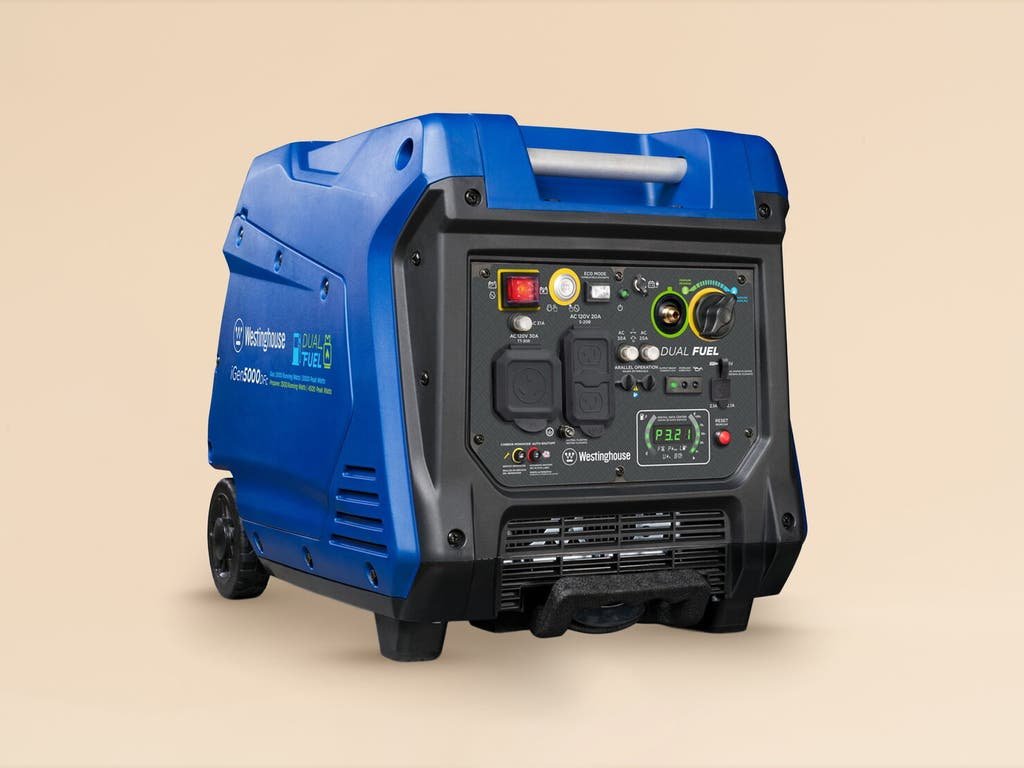
Imagine being in the middle of a power outage and needing a reliable backup source of energy. This is where portable gas generators come into play.
But with so many options on the market, how do you choose the right one for your needs? Whether you’re planning a camping trip, preparing for emergencies, or looking to power up your tools in remote locations, the right generator can make all the difference.
You’ll discover the key features that can transform a regular generator into a powerhouse of efficiency and reliability. Let’s dive in and ensure you’re equipped with the knowledge to make an informed decision, so you’re never left in the dark.
Credit: www.nytimes.com
Power Output And Capacity
Starting wattsis the power a generator gives to start an appliance. Running wattsis the power it needs to keep running. Some appliances need more power to start, like refrigerators and pumps.
Knowing your power needshelps you pick the right generator. Add up the running watts of all devices you want to use at once. Then add the highest starting watts among them.
| Appliance | Starting Watts | Running Watts |
|---|---|---|
| Refrigerator | 1200 | 600 |
| Microwave | 1000 | 1000 |
| TV | 300 | 200 |
- Check total running watts of all devices.
- Note the highest starting watts needed.
- Choose a generator with watts above this total.
Credit: www.acmetools.com
Fuel Type And Efficiency
Gasolineis common and easy to find. It works well for short-term use. Propaneburns cleaner and stores longer without going bad. Propane is quieter and produces less smoke.
Fuel use depends on power output and engine size. Gasoline engines may use more fuel but start faster. Propane engines have steady fuel use and need less maintenance.
| Fuel Type | Fuel Consumption | Storage | Maintenance |
|---|---|---|---|
| Gasoline | Higher consumption for same power | Short shelf life, can spoil | More frequent checks needed |
| Propane | Lower, steady consumption | Long shelf life, easy to store | Less maintenance required |
Portability And Design
Weight and size are key for easy transport. Smaller and lighter models suit quick moves. Bigger generators give more power but may be harder to carry. Check the balance between size and output.
Handles and wheels help move the generator. Sturdy handles make lifting safer. Wheels add convenience, especially on rough ground. Look for smooth-rolling wheels and strong grips.
| Feature | Benefit |
|---|---|
| Lightweight Design | Easier to carry and store |
| Compact Size | Fits in small spaces |
| Strong Handles | Safer lifting |
| Durable Wheels | Easy movement on different surfaces |
Noise Levels
Decibel ratingsshow how loud a generator is during use. Lower decibel numbers mean quieter operation. Most portable gas generators range between 50 to 70 decibels. For comparison, a normal conversation is about 60 decibels. Choose generators with ratings below 60 for quiet use in campsites or neighborhoods.
Quiet operation featureshelp reduce noise. Some generators use special mufflersor soundproof enclosures. These parts block or absorb sound. Others have inverter technologythat runs the engine more smoothly and quietly. Compact designs also lower noise by limiting engine size.
| Feature | Benefit |
|---|---|
| Low Decibel Rating (<60 dB) | Less noise, better for quiet environments |
| Special Mufflers | Reduce engine noise |
| Soundproof Enclosures | Block sound from escaping |
| Inverter Technology | Smooth, quiet engine operation |
Safety Features
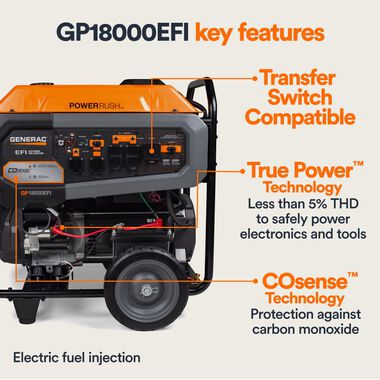
Automatic shutoffstops the generator if fuel runs low or oil drops. This protects the engine from damage. It also prevents fire risks by stopping fuel flow when needed.
Overload protectionstops the generator if too many devices connect. This feature avoids damage to both the generator and your appliances. It helps keep everything safe and working properly.
Credit: www.homedepot.com
Runtime And Tank Size
Continuous operation timeshows how long the generator runs on one tank. It depends on the load and fuel efficiency. Longer runtime means fewer refills during use. This is important for camping or emergencies.
Fuel tank capacityaffects runtime. Bigger tanks hold more fuel but add weight. Smaller tanks are lighter but need more refills. Balance tank size with how long you want the generator to run without stopping.
Outlets And Connectivity
Portable gas generators come with different types of outlets. Most have standard 120V household outlets. Some models include 240V outletsfor bigger appliances. Look for multiple outletsto power several devices at once.
USB portsare useful for charging phones and tablets directly. They save the need for extra adapters. Generators with inverter technologyprovide clean, stable power. This is important for sensitive devices like laptops.
| Outlet Type | Use | Benefit |
|---|---|---|
| 120V Household Outlets | Small appliances | Common and easy to use |
| 240V Outlets | Large tools, appliances | Supports higher power needs |
| USB Ports | Phones, tablets | No extra charger needed |
| Inverter Output | Sensitive electronics | Provides clean and stable power |
Maintenance And Durability
Portable gas generators should be easy to maintain. Check for simple access to oil and air filters. A generator with clear instructions helps save time. Regular maintenance keeps the generator running longer.
Strong build quality ensures the generator lasts through rough use. Look for durable materials like steel frames and sturdy plastic covers. These materials protect the engine from damage and weather.
| Feature | Benefit |
|---|---|
| Easy access panels | Simplifies oil and filter changes |
| Durable steel frame | Protects generator from impacts |
| Weather-resistant covers | Shields internal parts from rain and dust |
Frequently Asked Questions
What Is The Ideal Wattage For Portable Gas Generators?
The ideal wattage depends on your power needs. For small appliances, 1000-2000 watts work well. For larger tools or multiple devices, 3000-5000 watts is better. Always calculate total wattage before buying to ensure adequate power supply and avoid overload.
How Important Is Fuel Efficiency In Gas Generators?
Fuel efficiency is crucial for longer run times and cost savings. Efficient generators use less gas for the same power output. Look for models with eco-mode or inverter technology to reduce fuel consumption and emissions, making them more environmentally friendly and economical.
Should I Choose A Generator With Electric Start?
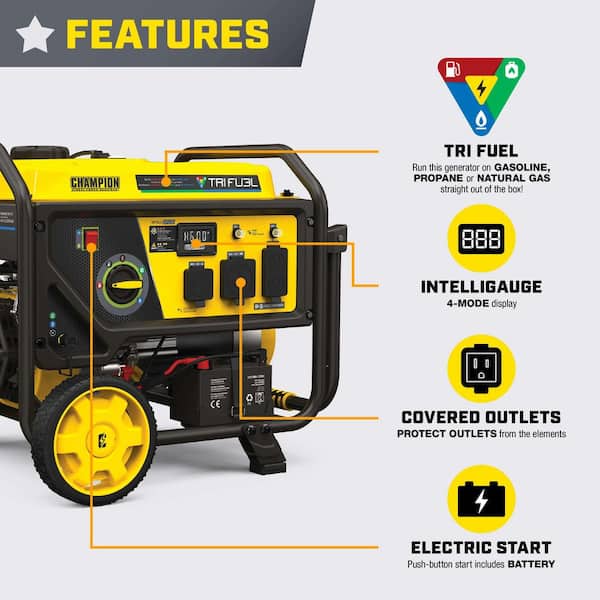
Electric start adds convenience by enabling push-button ignition. It saves time and effort compared to manual recoil start. This feature is especially useful in emergencies or frequent use. However, electric start models may be slightly more expensive and require a battery.
What Safety Features Matter In Portable Generators?
Safety features like automatic shutoff, low-oil alerts, and overload protection are essential. They prevent damage to the generator and connected devices. Carbon monoxide detectors improve user safety by warning of harmful gas buildup. Always prioritize these features for safe operation.
Conclusion
Choosing the right portable gas generator takes thought. Focus on power, size, and fuel efficiency first. Noise level and safety features matter too. Easy start and maintenance save time and effort. Consider how long you need it to run. Portability makes it simple to carry anywhere.
A good generator keeps your devices powered during outages. Think about your specific needs before buying. This helps you get the best value and use. Stay prepared and enjoy peace of mind.