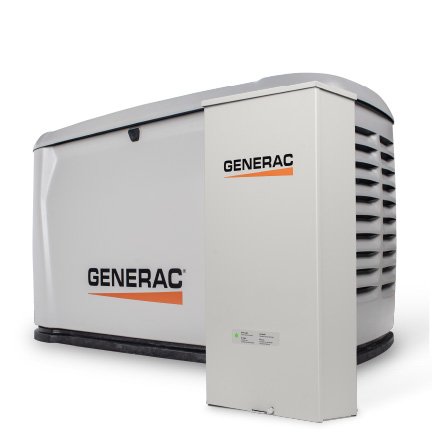
When the power goes out, you want your Generac standby generator to kick in without a hitch. But have you ever wondered what fuel keeps your generator running smoothly?
Knowing the right fuel for your Generac isn’t just about convenience—it’s about safety, efficiency, and getting the most from your investment. You’ll discover exactly what fuel powers your Generac standby generator and why it matters for your home or business.
Keep reading to make sure you’re always prepared when the lights go down.

Credit: www.amazon.com
Types Of Fuel For Generac Standby Generators
Natural Gasis a common fuel for Generac generators. It is clean, efficient, and usually connected to your home’s gas line. This fuel type offers an unlimited supply as long as the gas line is active. It burns cleaner than diesel or propane.
Propaneis stored in tanks outside your home. It burns clean and is easy to store for long periods. Propane is a good choice if natural gas is not available. It can run generators quietly and efficiently.
Dieselis powerful and good for heavy-duty use. It has a longer shelf life than gasoline but requires regular maintenance. Diesel generators are often used in larger homes or commercial buildings. They provide reliable power for long outages.
Dual Fuel Optionsallow the generator to run on two types of fuel, like propane and natural gas. This adds flexibility during emergencies. You can switch fuels depending on availability, ensuring your generator keeps working.

Credit: blog.norwall.com
Fuel Efficiency And Consumption
Generac standby generatorsmainly use natural gas, propane, or diesel. Fuel usage changes with the loadon the generator. A higher load means more fuel consumption. Running at full power uses fuel faster than at half load.
Natural gas is often cheaper but can use more volume. Propane burns cleaner but may cost more. Diesel provides strong power and is efficient but needs more maintenance.
| Fuel Type | Fuel Usage Rate (per hour) | Efficiency | Notes |
|---|---|---|---|
| Natural Gas | 0.3 – 0.5 cubic feet per kW | Moderate | Easy supply, moderate cost |
| Propane | 0.2 – 0.4 gallons per kW | High | Clean burning, more expensive |
| Diesel | 0.1 – 0.3 gallons per kW | Very High | Efficient but requires care |
- Load changes fuel use greatly.
- Propane burns cleaner than diesel or gas.
- Diesel is best for long runtimes.
- Natural gas is easy to connect and use.
Fuel Availability And Storage
Natural gasis a common fuel for Generac standby generators. It offers a constant supplythrough existing pipelines. This makes it easy to use without frequent refills. The infrastructure is usually reliable, especially in urban areas.
Propaneis stored in tanks outside the home. These tanks come in different sizes to fit different needs. Propane is clean burningand lasts longer than gasoline. Tanks need to be checked regularly to ensure safety and supply.
Diesel fuelrequires careful handling and storage. It should be kept in a cool, dry place to avoid contamination. Diesel generators are often used in remote areas where other fuels are not available. Fuel filters and tanks need regular maintenance to keep the system running smoothly.
Environmental Impact Of Different Fuels
Natural gasproduces fewer harmful gases than diesel or propane. It burns cleaner and releases less carbon dioxideand particulates. This means better air quality near the generator.
Propaneis a clean-burning fuel. It emits less carbon monoxideand smokecompared to diesel. Propane is stored as a liquid but turns to gas when used, helping reduce pollution.
Dieselfuel creates more pollution. It releases more nitrogen oxidesand soot. These cause air pollution and can harm health. Diesel engines also produce a strong odor and more noise.
| Fuel Type | Emissions | Impact on Air |
|---|---|---|
| Natural Gas | Low CO2, low particulates | Better air quality |
| Propane | Low CO, low smoke | Cleaner than diesel |
| Diesel | High NOx, soot | More pollution and odor |
Cost Factors And Budget Considerations
Fuel pricescan change a lot. This affects how much you pay to run a Generac standby generator. Gasoline, propane, and natural gas costs vary by place and time. Keep an eye on local fuel prices to plan your budget well.
Installation costs depend on the size and type of generator. Simple setups cost less, but complex ones need more work and money. Regular maintenanceis important to keep the generator working well. This includes oil changes, filter swaps, and system checks.
| Cost Factor | Short-Term Cost | Long-Term Cost |
|---|---|---|
| Fuel | Varies with market prices | Can add up over years |
| Installation | One-time payment | Usually no repeat cost |
| Maintenance | Regular small costs | Prevents costly repairs |
Choosing The Right Fuel For Your Needs
Assess your energy needsbefore choosing a fuel type. Calculate how much power your home or business requires during an outage. This helps pick the right generator size and fuel.
Check which fuels are easy to findin your area. Common options include natural gas, propane, and diesel. Some fuels may not be available everywhere.
| Fuel Type | Availability | Storage | Cost |
|---|---|---|---|
| Natural Gas | High in cities | Continuous supply via pipeline | Moderate |
| Propane | Moderate in rural areas | Stored in tanks | Higher than natural gas |
| Diesel | Widely available | Stored in fuel tanks | Varies |
Follow safety rules and local laws for fuel use. Some fuels need special permits or storage methods. Proper handling reduces risks of fires and accidents.
Fuel Maintenance And Handling Tips
Proper storagekeeps fuel fresh and ready. Use clean, airtight containersaway from heat or sunlight. Store fuel in a cool, dry placeto prevent damage. Old fuel can clog your generator and cause problems.
Fuel contaminationcan stop your generator. Keep dirt, water, and debris out of fuel tanks. Use fuel stabilizersto slow down fuel breakdown. Check fuel filters often and replace if dirty.
Regular system checks help catch problems early. Inspect fuel lines for cracks or leaks. Test your generator’s fuel system every few months. Clean or replace parts as needed to keep it running smoothly.
Credit: www.generac.com
Frequently Asked Questions
What Type Of Fuel Powers A Generac Standby Generator?
Generac standby generators primarily use natural gas or liquid propane (LP) as fuel. Both options provide reliable and efficient power. Natural gas is connected via a utility line, while propane requires a stored tank. The fuel choice depends on availability and user preference.
Can Generac Generators Run On Gasoline?
No, Generac standby generators do not typically run on gasoline. They are designed for natural gas or liquid propane fuels. Gasoline is less common due to storage and safety concerns. Choosing natural gas or propane ensures longer run times and cleaner operation.
How Long Can Generac Generators Run On Fuel?
Generac generators can run for several days continuously with sufficient fuel. Natural gas offers unlimited runtime if the supply is constant. Propane duration depends on tank size but usually lasts 24 to 48 hours. Proper fuel management is crucial for uninterrupted power.
Is It Safe To Store Propane For Generac Generators?
Yes, storing propane for Generac generators is safe when done correctly. Use approved tanks and follow local codes for storage. Keep tanks outdoors in ventilated areas away from ignition sources. Regular maintenance ensures safe and efficient generator operation.
Conclusion
Choosing the right fuel for your Generac generator matters. It impacts efficiency and cost. Natural gas and propane are common options. Both have benefits and drawbacks. Consider availability and your specific needs. Natural gas is convenient if already connected. Propane is versatile and stores easily.
Think about long-term use and costs. Decide based on what suits your lifestyle. A well-informed choice ensures reliable power. Keep your home safe and powered during outages. Always consult professionals for installation and maintenance advice. Make smart decisions for peace of mind and continuous power.