Imagine a storm is raging outside, and suddenly, your power goes out. You’re left in the dark, with no idea when electricity will return.
But what if you could avoid this situation entirely? Enter the Generac standby generator—a reliable backup solution that springs to life when you need it most. But have you ever wondered what fuels this powerhouse? Understanding the energy source behind your generator is crucial, not just for keeping your home running smoothly, but for making informed decisions about efficiency and sustainability.
Dive into this article to uncover the secrets of what fuels a Generac standby generator and discover how this knowledge can empower you to keep your household safe and comfortable, no matter the weather.
Generac Standby Generators Basics
A Generac standby generator has key partsthat work together to provide power. The engineruns on fuel and creates energy. The alternatorchanges this energy into electricity. A transfer switchmoves power from the generator to the home safely.
Other parts include a fuel system, which stores and supplies fuel, and a control panelthat starts and stops the generator automatically. The cooling systemkeeps the engine from getting too hot.
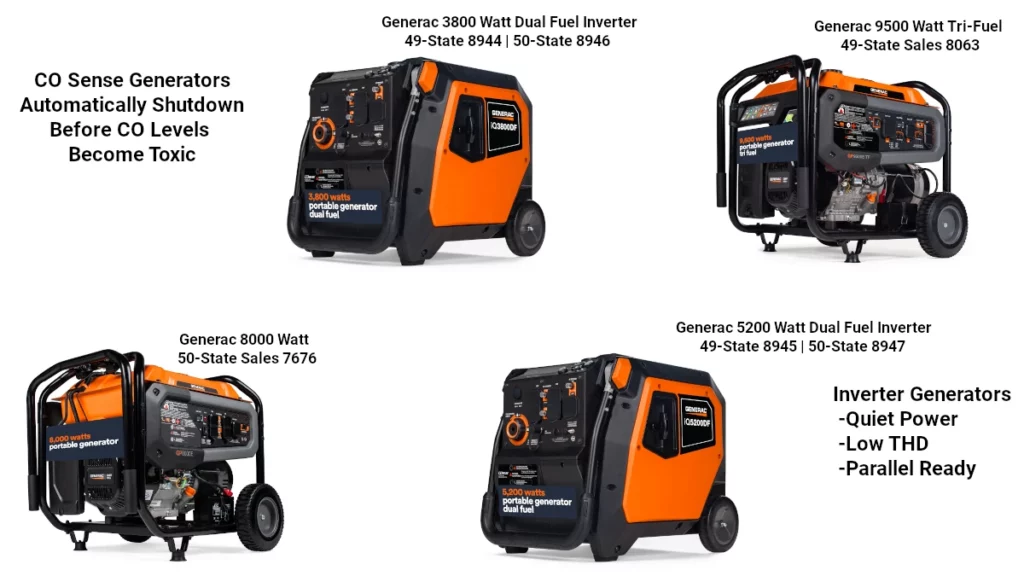
The generator runs on different fuels like natural gas, propane, or diesel. Fuel type depends on the model and home setup.
During a power outage, the transfer switch senses the loss of power. It signals the generator to start. The engine burns fuel, creating mechanical energy. The alternator then turns this into electric power. This power flows to your home, keeping lights and devices on.

Credit: solarpowerstore.ca
Primary Fuel Types
Natural gasis a common fuel for Generac standby generators. It flows directly through underground pipes. This means no need to refill fuel tanks. It is clean burning and often cheaper than other fuels. The supply is usually reliable in many areas.
Liquid propaneis stored in tanks outside the home. It burns clean and lasts long in storage. Propane works well in cold weather. Tanks can be refilled or swapped when empty. It offers flexibility if natural gas is not available.
Dieselfuel powers many standby generators. It is energy dense and lasts a long time. Diesel generators start fast and run well under heavy loads. Fuel storage must be secure and checked often. Diesel can be noisier and produce more emissions.
Alternative Fuel Options
Bi-fuel systemscombine two types of fuel to power the generator. Usually, they use natural gasand propane. This setup offers flexibilityand longer run times. If one fuel runs out, the other keeps the generator working. It is cost-effectiveand helps reduce emissions. This makes the generator more environment-friendlyand reliable.
Renewable energy integrationmeans using energy from natural sources like the sun or wind. Some Generac generators can connect to solar panels or wind turbines. This cuts down on fuel use and lowers carbon footprint. It also gives power in remote places where fuel delivery is tough. Using renewables is a step toward clean energyand sustainability.

Credit: www.generac.com
Fuel Efficiency Factors
Load demandgreatly affects fuel use in a Generac standby generator. Higher loads cause the generator to burn more fuel. Running at partial loadscan be less efficient because the engine still uses fuel but produces less power. It is best to match the generator size to your usual power needs. This helps save fuel and keeps the generator running smoothly.
Regular maintenanceplays a key role in fuel efficiency. Clean filters and fresh oil reduce engine strain. Dirty parts make the generator work harder and use more fuel. Check and replace air filters, oil, and spark plugs often. Well-maintained generators run longer and use fuel better.
Fuel Storage And Safety
Proper fuel storageis key for a Generac standby generator. Store fuel in approved containersthat are airtight and sealed. Keep containers in a cool, dry placeaway from direct sunlight and heat sources. Ensure the area is well-ventilatedto prevent fumes buildup.
Fuel storage tanks must be stable and secure. Avoid storing fuel near flames or sparks. Check fuel often for contaminationor degradation. Use fuel stabilizers to extend fuel life.
- Store fuel at least 20 feet from the generator
- Label containers clearly to avoid mix-ups
- Follow local laws on fuel storage limits
- Wear gloves and eye protection when handling fuel
- Keep a fire extinguisher nearby
- Never smoke near fuel or generator
- Turn off generator before refueling
Choosing The Right Fuel
Costvaries by fuel type. Natural gas is often cheaper long-term. Propane may cost more but stores well. Diesel prices can fluctuate quickly.
Availabilitymatters a lot. Natural gas connects to home lines, so no refills needed. Propane tanks need refilling but work anywhere. Diesel must be stored safely and refilled.
Environmental impactdiffers. Natural gas burns cleaner than diesel. Propane produces fewer emissions than gasoline. Diesel tends to pollute more but is powerful.
| Fuel Type | Cost | Availability | Environmental Impact |
|---|---|---|---|
| Natural Gas | Low | Connected to home lines | Cleaner burning |
| Propane | Moderate | Stored in tanks, refill needed | Fewer emissions |
| Diesel | Variable | Stored fuel, requires safe handling | Higher pollution |
Credit: www.generac.com
Frequently Asked Questions
What Type Of Fuel Powers A Generac Standby Generator?
Generac standby generators typically use natural gas or liquid propane. These fuels offer reliable, efficient power during outages. The choice depends on availability and installation preferences. Natural gas is common for homes with gas lines. Propane is suitable where natural gas isn’t accessible.
Can Generac Generators Run On Diesel Fuel?
Most Generac standby generators do not use diesel fuel. They primarily rely on natural gas or propane. Diesel generators are available but usually from other brands. Generac focuses on cleaner-burning fuels like gas and propane for residential use.
How Long Can A Generac Generator Run On Fuel?
The runtime depends on fuel type and tank size. Natural gas generators can run indefinitely if gas supply is continuous. Propane generators run as long as the propane tank lasts. Typical propane tanks provide power for several hours during outages.
Is Natural Gas Or Propane Better For Generac Generators?
Both fuels are effective, but natural gas is often preferred. It provides a continuous supply without refilling tanks. Propane offers portability and works well where natural gas is unavailable. Consider fuel access and cost when choosing between them.
Conclusion
Generac standby generators run on several fuel types, such as natural gas, propane, or diesel. Each fuel offers different benefits and suits different needs. Choosing the right fuel helps ensure your generator works well during power outages. Proper fuel use keeps the generator reliable and efficient.
Understanding what fuels a Generac generator helps you make smart decisions. Keep your home or business powered safely and smoothly. Fuel choice matters for backup power you can trust.