
Are you curious about what keeps your standby generator system up and running? Understanding the fuel source behind your generator can save you from unexpected power outages and ensure your home or business stays powered when it matters most.
Imagine the peace of mind knowing exactly how your generator operates, especially during those unexpected moments when the lights go out. You’ll discover the essential fuels that keep your standby generator system humming along, so you can make informed choices for your energy needs.
Keep reading to uncover the secrets behind reliable, uninterrupted power for your space.
Types Of Fuel For Standby Generators
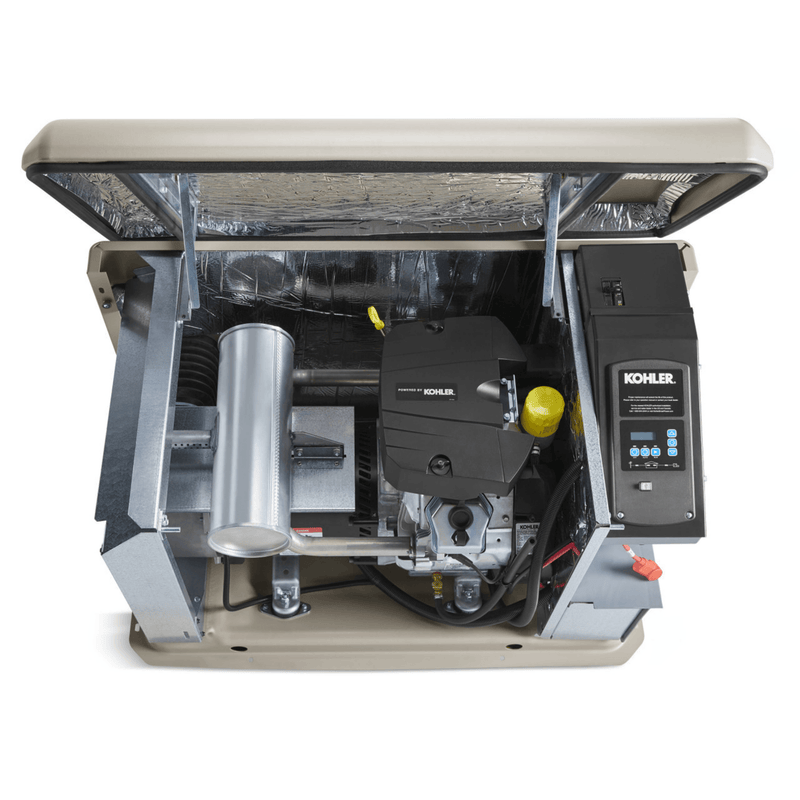
Diesel fuelis common for standby generators. It burns clean and stores well. Diesel engines are strong and last long. They need less maintenance but diesel can be costly.
Natural gasflows through pipes directly to the generator. It is convenient and runs quietly. It does not need refilling. Natural gas is cleaner than diesel but may stop if the main gas line fails.
Propaneis stored in tanks near the generator. It burns clean and lasts long on shelves. Propane is easy to store but tanks need space and refilling.
Gasolineis easy to find and affordable. It works well for small generators. Gasoline can spoil quickly and is less safe to store.
Renewable optionslike solar or wind can power generators. These fuels are clean and sustainable. They depend on weather and may need backup fuel.
Credit: solarpowerstore.ca
Diesel Generators: Strengths And Limits
Diesel generatorsoffer reliable power with strong fuel efficiency. They convert fuel into energy efficiently, making them cost-effective over time. Diesel fuel stores well for long periods without much degradation. This makes it easy to keep a ready supply available for emergencies or backup power needs.
Storage requires safe containers and space to avoid leaks or spills. Diesel fuel is widely available, ensuring easy refills when needed. Regular maintenance keeps diesel generators running smoothly. This includes checking oil, filters, and fuel systems.
Diesel engines need more care than some other types but last longer with proper upkeep. They perform well in cold weather and heavy loads, making them a solid choice for standby power systems.
Natural Gas Generators: Benefits And Challenges
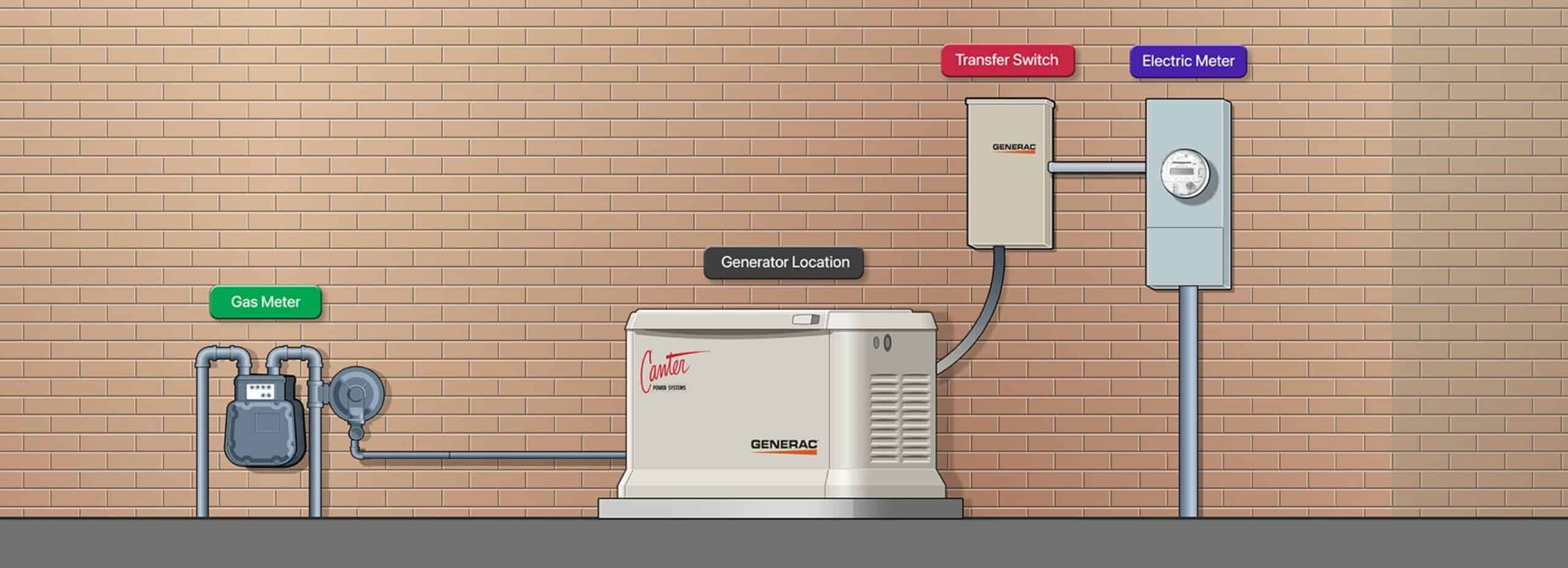
Natural gas generatorsoffer a continuous supplyof fuel. This means they can run for long periods without refueling. They connect directly to the natural gas line, so fuel is always available. This reduces the chance of running out during an outage. Natural gas is also cost-effectivecompared to gasoline or diesel. It burns cleaner, producing fewer emissions.
Installing a natural gas generator needs some care. The generator must be near a natural gas line. Proper ventilation is key for safety. A licensed professional should handle the installation to meet local codes. The system may need a backup fuel supply in case of gas supply issues.
| Environmental Impact | Details |
|---|---|
| Emissions | Lower carbon monoxide and pollutants than diesel or gasoline. |
| Fuel source | Natural gas is cleaner but still a fossil fuel. |
| Noise | Quieter operation compared to other fuel types. |
Credit: canterpowersystems.com
Propane As A Backup Fuel
Propaneis a popular fuel choice for standby generators due to its clean burning properties. It produces fewer emissions than gasoline or diesel, making it better for the environment. Propane burns efficiently, which helps the generator run smoothly and last longer.
Storing propane is simple and safe. It is kept in sealed tanks that do not spill or leak easily. These tanks can be placed above or below ground and need less space compared to gasoline containers.
Performance in cold weatheris a key benefit. Propane does not thicken or freeze like other fuels. This means your generator will start and run well even in very low temperatures.
Gasoline Generators: When To Choose
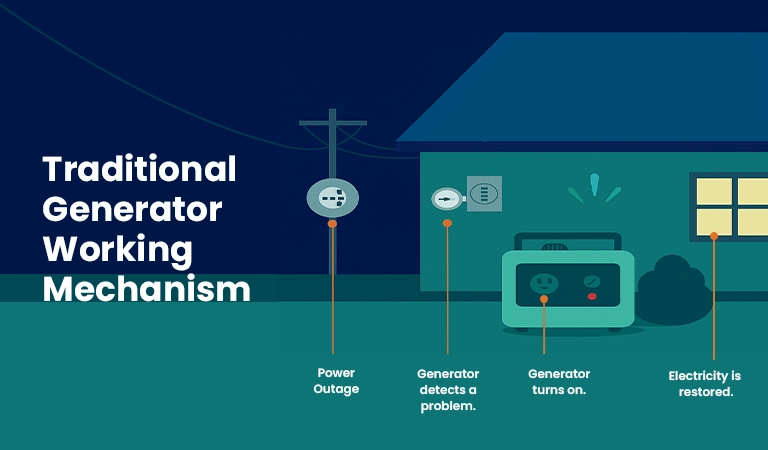
Gasoline generatorsare known for their portability and low initial cost. They are easy to move and store, which makes them ideal for temporary use or places without permanent power. Gasoline is widely available, but it does not store wellfor long periods. This can cause problems if fuel sits too long without use, leading to poor engine performance.
Common uses include:
- Small homes or cabins needing backup power
- Outdoor events and camping
- Construction sites with short power needs
| Feature | Gasoline Generators |
|---|---|
| Portability | Light and easy to carry |
| Cost | Lower upfront cost |
| Fuel Storage | Fuel can go bad quickly |
| Best Use | Short-term or mobile power needs |
Credit: solarsme.com
Emerging Renewable Fuel Sources
Biofuelscome from plants and waste. They burn cleaner than regular fuel. This helps reduce air pollution. Biofuels are renewable and can be grown again and again.
Hydrogenis a light gas that creates power by combining with oxygen. It produces only water as a byproduct. Hydrogen fuel is very clean and can help lower carbon emissions.
Solar-Integrated Systemsuse sunlight to create electricity. They work well with batteries to store power for night use. Solar power is free and does not pollute the air.
| Fuel Type | Source | Benefit |
|---|---|---|
| Biofuels | Plants and waste | Cleaner burning, renewable |
| Hydrogen | Gas from water or natural gas | Only water byproduct, very clean |
| Solar-Integrated | Sunlight | Free energy, no pollution |
Factors Influencing Fuel Choice
Costplays a big role in choosing fuel. Some fuels cost less but may need more maintenance. Others cost more but last longer and run cleaner.
Fuel availabilitymatters too. Choose a fuel that is easy to find in your area. This helps avoid running out during power outages.
Environmental concernsaffect the choice. Some fuels produce fewer emissions and are better for the air and nature.
The size of the generatorand how often it runs influence fuel choice. Bigger generators or those used for long times may need different fuels than small or rarely used ones.
Fuel Storage And Safety Tips
Fuel for standby generators must be stored in cool, dry places. Containers should be airtightto avoid spills and contamination. Use approved fuel cansonly and keep them away from heat sources. Store fuel off the groundon pallets or shelves.
Handling fuel requires care and attention. Always wear protective gloves and goggles. Avoid smoking or open flamesnear fuel. Never inhale fumes; work in well-ventilated areas. Clean spills immediately using non-flammable absorbents.
| Regulatory Guidelines | Description |
|---|---|
| Storage Limits | Local laws limit how much fuel can be stored at once. |
| Labeling | Fuel containers must have clear, visible labels. |
| Fire Safety | Keep fire extinguishers near fuel storage areas. |
| Inspections | Regular checks ensure containers and storage areas are safe. |
Frequently Asked Questions
What Types Of Fuel Power Standby Generators?
Standby generators commonly use natural gas, propane, or diesel as fuel. Each fuel type offers reliability and availability depending on your location and needs.
How Does Fuel Type Affect Generator Performance?
Fuel type impacts efficiency, run time, and maintenance. Natural gas is clean and convenient, while diesel offers higher power but requires more upkeep.
Can Standby Generators Use Renewable Fuels?
Some standby generators can run on biodiesel or biogas. These renewable fuels reduce environmental impact but may need compatible engine modifications.
How Long Can A Standby Generator Run On Fuel?
Run time depends on fuel tank size and generator load. Larger tanks and efficient fuel use allow generators to run for days continuously.
Conclusion
Standby generators need reliable fuel to work properly. Common fuels include natural gas, propane, and diesel. Each fuel has benefits and limits. Choosing the right fuel helps keep power steady during outages. Always store fuel safely and check it often.
A well-fueled generator gives peace of mind. It keeps homes and businesses running smoothly. Understanding what fuels your generator helps you prepare better. Keep your generator ready for the next power cut. Simple steps make a big difference in emergencies.