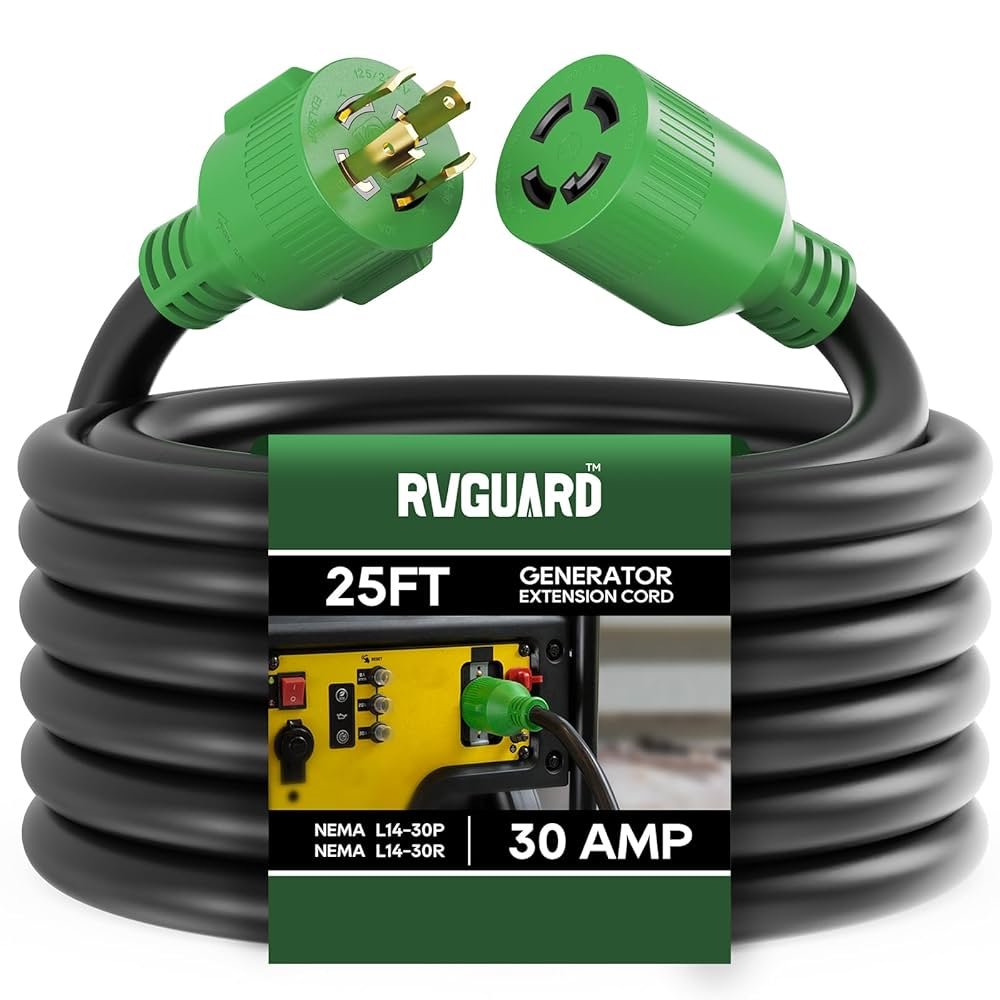
Choosing the right gauge extension cord for your generator might seem trivial, but it’s crucial for safety and efficiency. Imagine this: You’ve invested in a powerful generator to safeguard your home during power outages.
However, without the proper extension cord, your generator’s performance could be compromised, putting your appliances and safety at risk. You wouldn’t want that, right? In this guide, you’ll discover how to select the perfect extension cord gauge to match your generator’s output.
We’ll make it simple and clear, so you can confidently power up when it matters most. Ready to unlock the secrets to keeping your home safe and powered? Let’s get started.
Choosing The Right Gauge
Gaugerefers to the thickness of the wire in an extension cord. A lower gauge numbermeans a thicker wire. Thicker wires carry more electricity safely. Using the right gauge ensures the generator works well and safely.
Thin wires (high gauge) can overheator cause voltage drop. This can damage your generator or appliances. Thick wires (low gauge) reduce power loss and heat build-up.
| Gauge Size | Use Case | Max Length (feet) | Max Amperage |
|---|---|---|---|
| 16 gauge | Small tools, lights | up to 50 | 10 amps |
| 14 gauge | Medium tools, appliances | up to 75 | 15 amps |
| 12 gauge | Large tools, generators | up to 100 | 20 amps |
| 10 gauge | Heavy-duty equipment | over 100 | 30 amps |
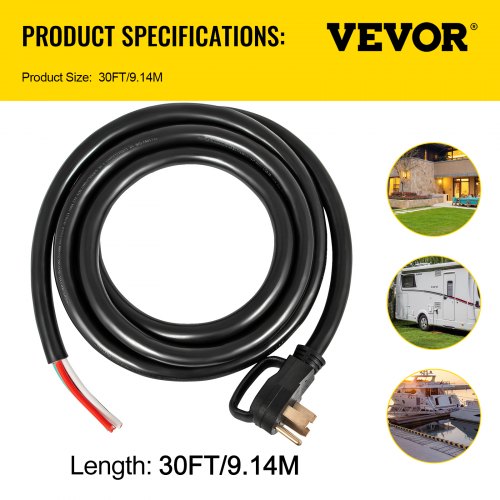
Credit: www.vevor.ca
Matching Cord Length With Gauge
The length of the extension cordaffects the power your generator delivers. Longer cords cause more voltage drop. This means less power reaches your devices. Using a cord that is too thin for its length can lead to overheating and damage.
Choosing the right gaugedepends on how far the cord must stretch. Thicker wires (lower gauge numbers) carry power better over long distances. Thinner wires (higher gauge numbers) are okay for short runs only.
| Gauge | Recommended Max Length | Best Use |
|---|---|---|
| 12 Gauge | Up to 100 feet | Heavy-duty appliances and longer distances |
| 14 Gauge | Up to 50 feet | Medium power tools and moderate distances |
| 16 Gauge | Up to 25 feet | Small electronics and short distances |
Generator Power Output And Cord Gauge
Generators have different power outputs. Choosing the right extension cord gauge is key for safety and performance. The gauge depends on the wattagethe generator produces and the cord length.
Calculate the total wattage of all devices you want to power. This helps pick a cord that can carry enough current. A cord too thin can overheat or cause power loss.
| Generator Wattage | Recommended Cord Gauge |
|---|---|
| Up to 1500 watts | 16 gauge |
| 1500 to 3000 watts | 14 gauge |
| 3000 to 5000 watts | 12 gauge |
| Above 5000 watts | 10 gauge or thicker |
Longer cords may need thicker gauge to avoid power drop. Always check the cord’s amp ratingtoo. Safety first!
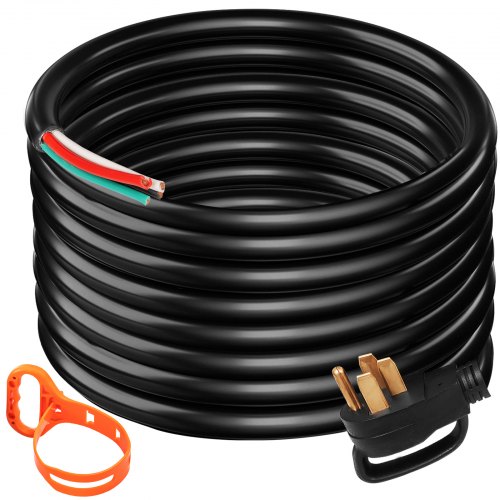
Credit: www.vevor.ca
Safety Considerations
Choosing the right gauge extension cordis key to prevent overheating. Thin cords carry less current and heat up fast. Overheated cords can cause fires or damage your generator.
Use cords with a lower gauge numberfor higher power needs. For example, a 10-gauge cord handles more current than a 14-gauge cord.
Avoiding voltage dropkeeps your devices running smoothly. Voltage drop happens when electricity travels through a cord that is too thin or too long.
Voltage drop makes devices run poorly or not at all. Use a thicker cord or a shorter length to reduce voltage drop.
| Extension Cord Gauge | Maximum Length (feet) | Best For |
|---|---|---|
| 10 Gauge | 100 | High power tools, generators |
| 12 Gauge | 75 | Medium power devices |
| 14 Gauge | 50 | Light power tools, small appliances |
Material And Construction
Copper cordsare better for generators. They carry electricity well and stay cool. Copper is strong and lasts longer. Aluminum cordsare lighter and cheaper but do not carry electricity as well. They can get hot and wear out faster.
Choose cords with weatherproof coatingsfor safety outdoors. Look for heavy-duty insulationthat resists water and sun damage. This helps the cord last in rain or snow.
- Copper:Durable, good conductor, stays cool
- Aluminum:Lightweight, cheaper, heats more
- Weatherproofing:Protects from rain, sun, dirt
- Durability:Heavy insulation adds long life
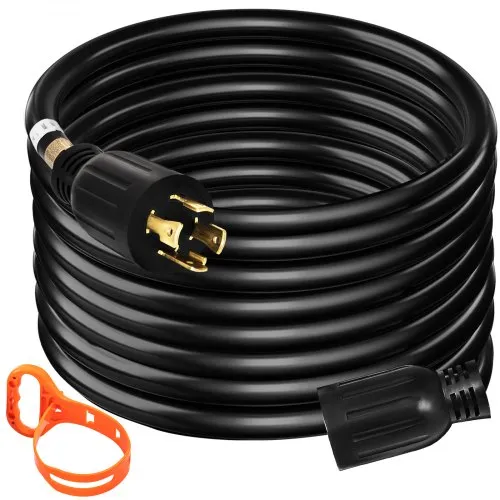
Credit: www.vevor.ca
Tips For Using Extension Cords With Generators
Always use extension cords with the correct gaugefor your generator’s power. Thin cords can overheatand cause fires. Connect cords firmly to avoid sparks. Check that plugs and outlets fit tightly. Keep cords away from waterand sharp edges. Use cords marked for outdoor useonly.
Store cords in a dry, cool place. Coil cords loosely to prevent damage. Inspect cords for cutsor fraysbefore each use. Replace cords with any signs of wear. Clean cords with a dry clothafter use. Proper care helps cords last longer and stay safe.
Common Mistakes To Avoid
Using extension cords that are too thin can cause serious problems. Thin cords may overheat and lead to fires. They also reduce the power that reaches the generator or devices. Always use cords with the correct gauge sizefor the generator’s power needs.
Ignoring the manufacturer’s guidelines is another common mistake. These guidelines tell you the right cord size and length. Not following them can cause damage to your generatoror connected devices. It can also void warranties and cause safety risks.
- Use cords with the right gauge for your generator’s wattage.
- Check the manufacturer’s instructions before buying extension cords.
- Never use damaged or worn-out cords.
- Avoid very long cords that drop voltage.
Frequently Asked Questions
What Gauge Extension Cord Is Best For Generators?
A 12-gauge extension cord is ideal for most generators. It handles up to 15 amps safely over long distances without power loss.
How Does Cord Length Affect Gauge Choice?
Longer cords require thicker gauges to prevent voltage drop. For cords over 50 feet, 10-gauge is recommended for better performance.
Can I Use A 14-gauge Cord With My Generator?
Using a 14-gauge cord is only suitable for low amperage devices. It’s unsafe for high-power generator use due to overheating risk.
Why Is The Gauge Important For Generator Cords?
Gauge determines current capacity and safety. A thicker gauge ensures efficient power transfer and reduces fire hazards from overheating.
Conclusion
Choosing the right gauge extension cord keeps your generator safe and working well. Thicker cords carry more power and prevent overheating. Always check the generator’s wattage before picking a cord. Using the wrong gauge can cause power loss or damage.
Keep cords short to keep power strong. A good extension cord helps your generator run smoothly. Simple steps make your power setup safer and smarter. Now, you know how to pick the right cord for your generator.