
Choosing the right power cable for your generator is not just a matter of convenience; it’s about safety and efficiency. If you’ve ever stood in the hardware aisle, overwhelmed by numbers and options, you’re not alone.
What gauge power cable do you really need for your generator? This decision can impact not only how well your equipment runs but also how safe it is to use. In this guide, we’ll demystify the process, helping you make an informed choice that ensures your generator runs smoothly and securely.
Stick with us, and you’ll discover the key details that can make all the difference in your setup. Curious to find out which cable is best for you? Let’s dive in.
Power Cable Basics
Cable gaugemeans the thickness of the power cable. It is very important for safety and performance. Thicker cables carry more current without getting hot. Thin cables can cause voltage drop, making your generator work harder.
The right cable size keeps the power steady. It also stops damage to your generator and connected devices.
| Cable Gauge (AWG) | Recommended Max Current (Amps) | Use Case |
|---|---|---|
| 14 | 15 | Small generators, short distances |
| 12 | 20 | Medium generators, moderate distance |
| 10 | 30 | Larger generators, longer distances |
| 8 | 40 | High power generators, long distances |
- Small cables can cause power loss and heat.
- Big cables cost more but are safer.
- Choose cable size based on generator power and cable length.
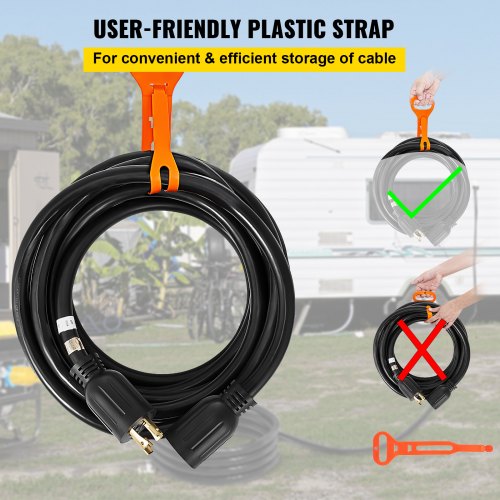
Credit: www.vevor.ca
Factors Influencing Cable Size
Generator output and loaddetermine the cable size needed. Higher power needs thicker cables to handle current safely. Always match cable gauge to the generator’s maximum output.
Distance between generator and loadaffects cable size. Longer cables cause voltage drop, so thicker cables reduce power loss over distance. Keep cables as short as possible for efficiency.
Voltage drop considerationsare important for stable power. A drop over 3% can harm devices. Use cable size charts or calculators to find the right gauge and keep voltage drop low.
Environmental conditionslike temperature and exposure impact cable choice. Hot areas may need cables with higher heat ratings. Wet or outdoor settings require cables with weather resistance.
Common Cable Gauges For Generators
Choosing the right power cable gaugeis key for safe generator use. Different sizes fit different generator types. Small generators usually need 10 to 12 gaugecables. These cables carry enough current for light loads.
Medium generators require thicker cables, around 6 to 8 gauge. These handle more power without overheating or voltage drops. For large generators, cables 4 gauge and aboveare best. They ensure strong, steady power flow for heavy equipment.
- Small generators:10 to 12 gauge cables
- Medium generators:6 to 8 gauge cables
- Large generators:4 gauge and above cables
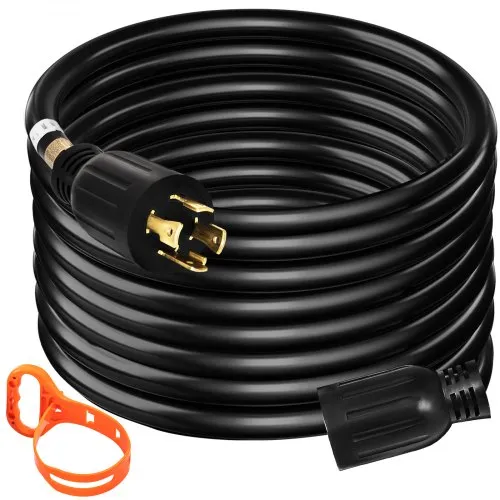
Credit: www.vevor.ca
Calculating The Right Cable Gauge
Choosing the right cable gaugeis key to safe generator use. Ampacity chartsshow how much current a wire can carry safely. They help pick the right thickness for your cable.
Voltage dropaffects how well your generator powers devices. Calculate voltage drop to keep power strong and avoid damage. Long cables need thicker wires to reduce drop.
Follow safety marginsand local standardsto prevent overheating and fires. Always select cables that exceed the minimum required capacity. This protects your equipment and home.
| Factor | Consideration |
|---|---|
| Ampacity | Use charts to find cable size by current load |
| Voltage Drop | Calculate based on cable length and load |
| Safety Margins | Choose cables with higher capacity than needed |
| Standards | Follow local electrical codes and guidelines |
Installation Tips
Route power cables away from sharp edges and hot surfaces. Use cable trays or conduits for protection. Keep cables neat to avoid tangles and damage. Secure cables with clamps to stop movement.
Choose connectors that fit tightly and resist corrosion. Use terminals that match cable size and generator terminals. Crimp connectors properly to ensure strong connections.
Avoid overheating by selecting the right cable gauge for load. Keep cables short to reduce heat buildup. Ensure good ventilation around cables and connectors to keep them cool.
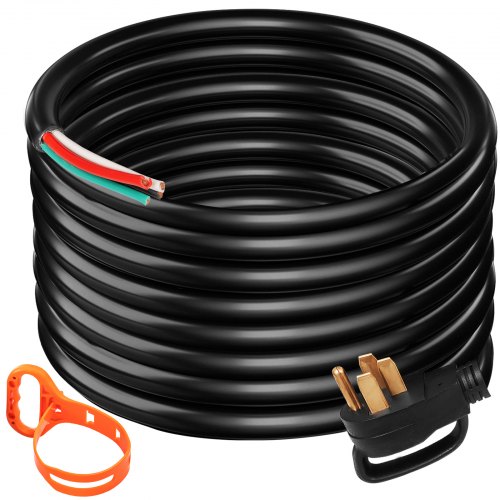
Credit: www.vevor.ca
Common Mistakes To Avoid
Choosing an undersized cablecan cause overheating and power loss. It is important to match the cable size to the generator’s power output.
Ignoring the distance between the generator and the loadleads to voltage drops. Voltage drops reduce efficiency and may damage equipment.
Local electrical codes set rules for safe installation. Neglecting these codescan result in fines or unsafe setups. Always check and follow local regulations.
Upgrading And Maintenance
Upgrade cable sizeif the generator load increases. A bigger load means more power. Small cables may overheat or cause power loss. Check the cable’s current rating and compare it to the generator’s output.
Routine inspection helps find damage or wearearly. Look for cracks, cuts, or melted insulation. Check connections for looseness or corrosion. Damaged cables can cause sparks or fire risks.
- Inspect cables every 3-6 months.
- Replace cables showing any damage.
- Keep cables clean and dry.
- Secure cables to avoid pulling or bending.
Wear and tear happen over time. Avoid sharp bends and heavy loads on cables. Use cable protectors in high-traffic areas. Replace cables if insulation wears thin or wires show. Safe cables mean safe power.
Frequently Asked Questions
What Gauge Power Cable Is Best For A 5kw Generator?
A 10-gauge power cable is typically ideal for a 5kW generator. It ensures safe current flow and minimizes voltage drop, supporting efficient generator performance. Always check your generator’s manual for specific cable requirements to ensure safety and optimal operation.
How To Choose The Right Gauge For Generator Cables?
Choose the gauge based on generator wattage, cable length, and amperage. Larger wattage or longer cables require thicker cables (lower gauge number). This prevents overheating and voltage drop. Refer to a wire gauge chart for precise selection according to your generator’s output.
Why Is Cable Gauge Important For Generator Safety?
Using the correct cable gauge prevents overheating and electrical fires. It ensures the cable can handle the generator’s current load safely. Undersized cables cause voltage drops, affecting device performance and increasing fire risks. Always use recommended gauge cables for your generator.
Can I Use A Smaller Gauge Cable For My Generator?
Using a smaller gauge cable than recommended is unsafe. It can lead to overheating, voltage drops, and potential fire hazards. Always match or exceed the recommended gauge to ensure safe and efficient generator operation and protect connected appliances.
Conclusion
Choosing the right gauge power cable protects your generator and devices. Thicker cables carry more electricity safely and reduce power loss. Always check your generator’s wattage before picking a cable size. Using the wrong cable can cause overheating or damage.
A proper cable keeps your power stable and your equipment safe. Take time to measure and select the correct gauge. This small step ensures smooth and safe power supply every time. Simple but important. Stay safe and power on!