
Have you ever wondered which energy source powers more of your home or city—wind or solar? Choosing between wind and solar energy isn’t just about green tech; it’s about what truly delivers the electricity you rely on every day.
If you want to understand which one can generate more electricity and why it matters to you, keep reading. By the end, you’ll have clear insights to make smarter choices about the energy that fuels your life.
Wind Power Basics
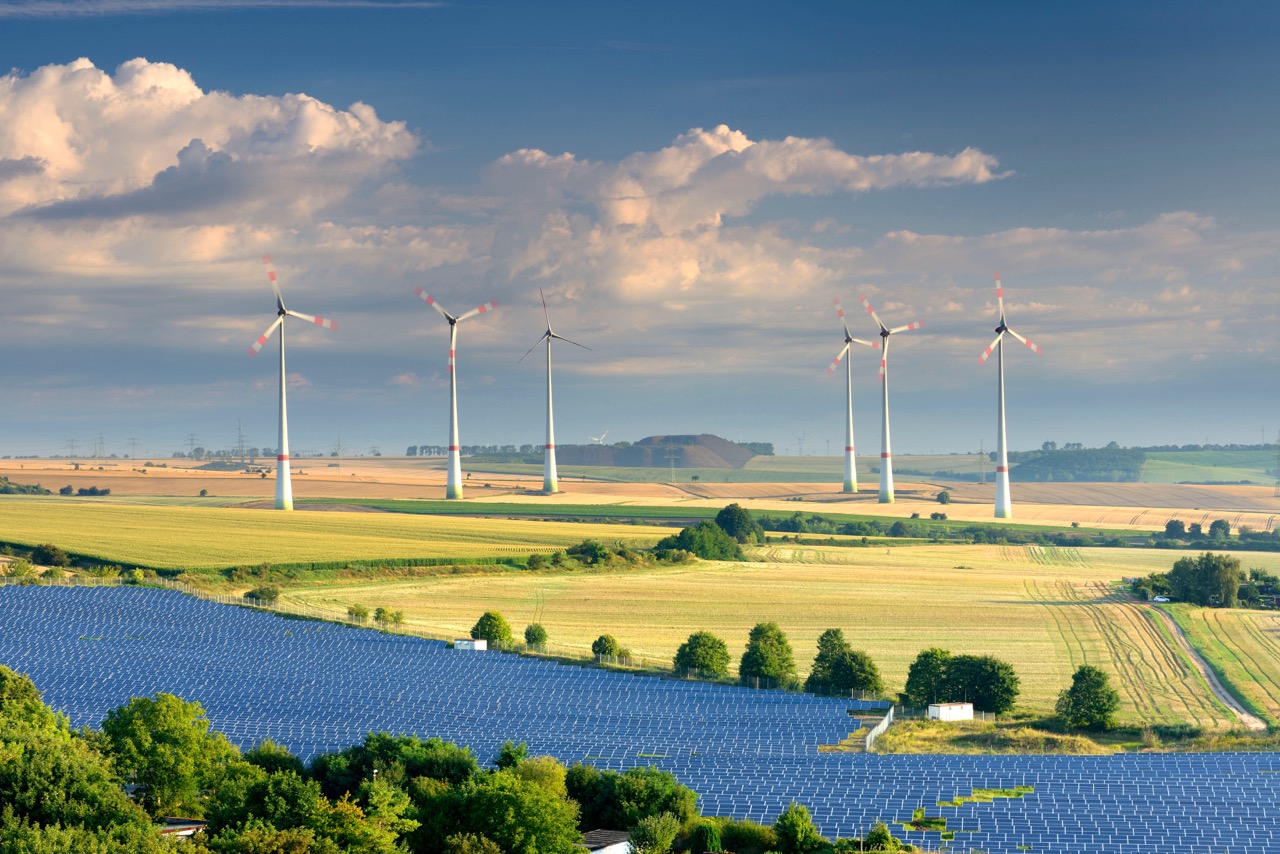
Wind turbines change wind energyinto electricity. Large blades catch the wind’s power. The blades turn a rotor, which spins a generator. The generator makes electricity. Wind turbines work best in places with strong, steady winds. They can be on land or offshore in the ocean.
Several key factorsaffect wind energy:
- Wind speed:Faster wind means more power.
- Turbine size:Bigger blades catch more wind.
- Location:Open areas or offshore are ideal.
- Height:Taller towers reach stronger winds.
| Year | Global Wind Capacity (GW) |
|---|---|
| 2015 | 432 |
| 2018 | 591 |
| 2021 | 743 |
| 2023 | 900+ |
Credit: ember-energy.org
Solar Power Basics
Solar panelscapture sunlight and turn it into electricity. They use materials called photovoltaic cellsthat absorb sunlight. These cells create an electric current when light hits them. This current flows through wires to power homes or devices.
Several factors influence solar energyproduction:
- Sunlight intensity:More sun means more power.
- Panel angle:Proper tilt helps catch more light.
- Weather:Clouds reduce energy output.
- Temperature:Panels work best in cooler heat.
| Year | Global Solar Capacity (GW) |
|---|---|
| 2010 | 40 |
| 2015 | 230 |
| 2020 | 760 |
| 2023 | 1100+ |
Energy Production Comparison
Wind turbinesusually have higher capacity factorsthan solar panels. This means wind farms produce electricity more consistently over the year. Solar panels work best when the sun shines, but clouds and night reduce output. Wind can blow day and night, making it more steady.
Annual electricity output depends on many factors like technology and location. A strong, steady wind can generate more power than solar in some places. But sunny areas can make solar very effective. The choice depends on local weather and land.
| Factor | Wind Energy | Solar Energy |
|---|---|---|
| Capacity Factor | 25% – 45% | 10% – 25% |
| Best Location | Coastal, open plains, high altitudes | Sunny, clear sky regions |
| Output Variability | More steady over time | Depends on day and weather |
Cost And Efficiency
Installation costsfor wind turbines are usually higher than solar panels. Wind turbines need more space and strong foundations. Solar panels can be placed on rooftops with less work. Maintenanceof wind turbines can be costly because of moving parts. Solar panels have fewer parts and need less upkeep.
Energy conversion efficiencyvaries. Wind turbines often convert 35-45% of wind energy to electricity. Solar panels convert about 15-20% of sunlight. Efficiency depends on location and weather.
| Type | Installation Cost | Maintenance Cost | Energy Efficiency | Return on Investment (ROI) |
|---|---|---|---|---|
| Wind | High | Moderate to High | 35-45% | Longer time, depends on wind speed |
| Solar | Low to Moderate | Low | 15-20% | Shorter time, depends on sunlight |
ROI for wind power is longer due to higher costs. Solar power offers quicker savings for many users. Both depend on local weather and energy needs.
Environmental Impact
Wind and solar energyboth help reduce carbon emissions. Wind turbines produce very low carbon footprints during operation. Solar panels emit some carbon during manufacturing but none while working. Over time, both are cleaner than fossil fuels.
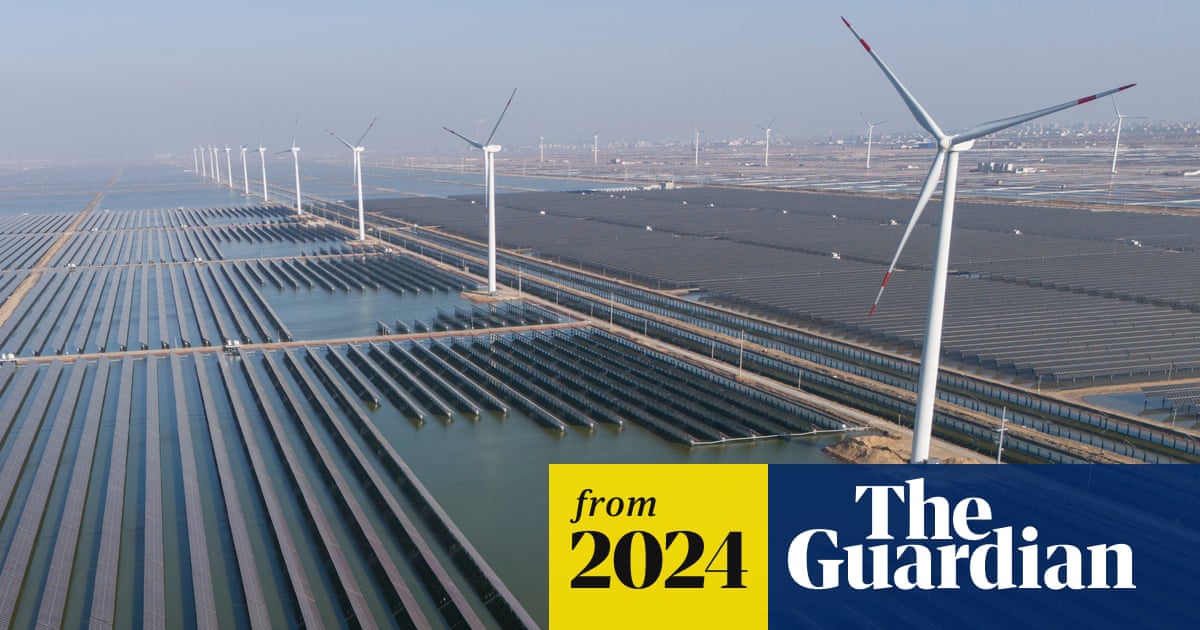
Land usediffers for each. Wind farms need space but can share land with farming. Solar farms require large areas that block other uses. Wildlife can be affected by turbine blades and panel installations.
Resource use and waste matter too. Wind turbines use steel and rare earth metals. Solar panels need glass and silicon. Both create waste after their life spans but recycling is growing.
Credit: www.theguardian.com
Future Trends
Technological innovationsare making wind and solar energy better and cheaper. New solar panels capture more sunlight and work well in low light. Wind turbines are getting taller and stronger, so they catch more wind and produce more power.
Policy and market developmentshelp grow these energy sources. Many countries offer incentives to build wind and solar farms. This support lowers costs and makes clean energy more popular.
Hybrid systems that combine wind and solar with energy storageare becoming common. Batteries store energy for times when the sun does not shine or the wind stops. This makes power supply more steady and reliable.
Credit: climate.mit.edu
Frequently Asked Questions
Which Generates More Electricity, Wind Or Solar?
Wind generally produces more electricity than solar per installed capacity. Wind turbines operate day and night, while solar panels generate only during sunlight hours. However, output depends on location, weather, and technology efficiency. Both energy sources complement each other for a balanced renewable energy mix.
How Does Wind Energy Compare To Solar Energy Output?
Wind energy typically has higher capacity factors, meaning it produces electricity more consistently. Solar energy output varies with daylight and weather conditions. Wind farms can generate electricity 24/7, while solar panels only work during the day. Both have unique advantages depending on the site and climate.
What Factors Affect Electricity Generation In Wind And Solar?
Electricity generation depends on location, weather, and technology. Wind turbines need steady, strong winds, while solar panels require ample sunlight. Maintenance and equipment quality also impact output. Local climate and geographical conditions determine which energy source performs better in a given area.
Is Wind Or Solar Energy More Cost-effective For Electricity?
Both wind and solar costs have decreased significantly. Wind energy tends to have lower operational costs and higher efficiency in windy regions. Solar is more scalable and easier to install in urban areas. Cost-effectiveness depends on site conditions, project size, and available incentives.
Conclusion
Choosing between wind and solar depends on your location. Wind excels in windy regions. Solar shines in sunny areas. Both offer clean energy. Consider cost and space when deciding. Wind turbines need more space. Solar panels fit on rooftops. Both contribute to reducing carbon emissions.
Think about long-term goals. Evaluate resources and local conditions. Each has unique benefits. Research thoroughly before investing. Make informed choices for energy needs. Sustainable solutions depend on your environment. Choose wisely for a greener future.