
Are you curious about the best way to power your home or business sustainably? You’re not alone.
With energy costs fluctuating and environmental concerns on the rise, many people are exploring renewable energy options. But when it comes to solar and wind, which one packs a bigger punch? You might be surprised to discover that the answer isn’t as straightforward as it seems.
Choosing between solar and wind energy isn’t just about output; it’s about efficiency, location, and your unique needs. Let’s delve into the fascinating world of renewable energy and uncover which of these powerhouses truly generates more energy. Keep reading to find out which option might be the game-changer for your energy needs.
Solar Energy Basics
Solar panels change sunlight into electricity. They use special materials called semiconductors. When sunlight hits these, it creates an electric current.
Different types of solar panels exist:
- Monocrystalline:Made from one crystal, very efficient.
- Polycrystalline:Made from many crystals, less costly.
- Thin-film:Lightweight, flexible, but less efficient.
Solar output changes due to several factors:
- Sunlight intensity:More sun means more power.
- Panel angle:Better angle catches more sun.
- Temperature:High heat can lower efficiency.
- Shadows:Even small shadows reduce output.
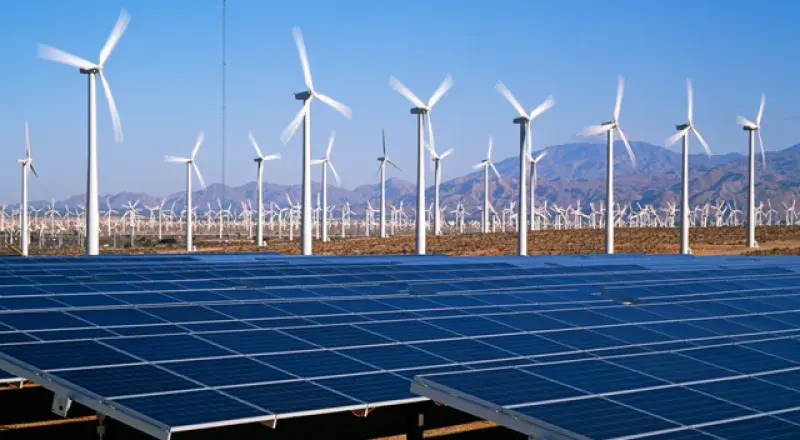
Credit: www.nationalgrid.com
Wind Energy Fundamentals
Wind turbinesconvert wind energy into electricity. They have large blades that spin when the wind blows. The spinning blades turn a shaft inside the turbine. This shaft connects to a generator, creating electric power.
- Horizontal-axis turbinesare the most common type. They have blades like airplane propellers.
- Vertical-axis turbineshave blades that spin around a vertical pole.
- Each type works best in different wind conditions and locations.
Wind power changes with several factors:
- Wind speed:More wind means more energy.
- Location:Open areas or hilltops get stronger winds.
- Turbine height:Taller turbines catch faster winds.
- Air density:Cold, dense air carries more energy.
Energy Output Comparison
Capacity factormeasures how much energy a power plant produces compared to its maximum potential. Wind turbines often have higher capacity factors than solar panels. This means wind can produce energy more steadily over time.
Average energy productiondepends on location and weather. Solar panels produce more energy in sunny places. Wind turbines perform best where the wind blows strong and steady.
Peak performance conditionsdiffer. Solar panels generate the most energy during clear, sunny days. Wind turbines reach peak output when wind speeds are high but not too strong to shut them down.
| Energy Type | Capacity Factor | Best Conditions | Average Output |
|---|---|---|---|
| Solar | 10% – 25% | Sunny days | Varies by location |
| Wind | 30% – 45% | Strong steady winds | More consistent |
Environmental Impact
Solar and wind energyneed land but in different ways. Solar panels cover large areas, often on rooftops or deserts. Wind turbines take less space on the ground but need open areas for wind flow.
Both affect wildlife and ecosystems. Solar farms can disturb ground animals and plants. Wind turbines may harm birds and bats flying near blades.
| Aspect | Solar Energy | Wind Energy |
|---|---|---|
| Land Use | Large flat areas, rooftops | Smaller ground footprint, open spaces |
| Wildlife Effects | Disturbs ground animals and plants | Risk to birds and bats near turbines |
| Carbon Footprint | Low emissions after installation | Low emissions after installation |
Both have a low carbon footprint. They produce clean energy with little pollution after setup. This helps fight climate change.
Cost And Efficiency
Installation costsfor solar panels are usually lower than for wind turbines. Solar panels are easier to place on rooftops or open fields. Wind turbines need more space and strong wind sites, raising costs.
Maintenance costsfor wind turbines tend to be higher. Moving parts need regular checks and repairs. Solar panels have fewer parts and last longer with less upkeep.
| Energy Type | Conversion Efficiency |
|---|---|
| Solar Panels | 15% to 22% |
| Wind Turbines | 35% to 45% |
Wind turbines convert more wind energy into electricity than solar panels convert sunlight. Yet, solar panels work better in many places without strong winds.
- Many governments offer tax creditsfor solar and wind projects.
- Subsidieslower upfront costs and boost energy use.
- Economic support varies by country and region.

Credit: www.yahoo.com
Reliability And Consistency
Solarand wind energyboth face intermittency challenges. The sun does not shine at night, and clouds can block sunlight. Wind power depends on wind speed, which can change quickly and stop at times.
Energy storagehelps solve these problems. Batteries store power when the sun shines or wind blows. This power can be used later when there is no sun or wind. Storage systems must be large and efficient to keep energy for hours or days.
Grid integration means connecting solar and wind to the power grid. The grid balances supply and demand. It needs to handle sudden changes in energy from solar and wind. Smart grids and advanced controls improve this balance, making energy supply more reliableand consistent.
Future Trends And Innovations
Solar technologyis getting better and cheaper. New solar panels can catch more sunlight. They work well even on cloudy days. Solar cells are now thinner and lighter. This helps install them in more places. Scientists also create panels that store energy better. This means power is ready even at night.
Wind power is growing too. New turbines are taller and catch stronger winds. They spin slower but make more power. Offshore wind farms are built in oceans where winds are strong. These farms can produce lots of energy. Wind power is also getting quieter and safer for birds.
Hybrid systems mix solar and wind power. They use both sources to make power all day. This helps in places where sun or wind can be weak sometimes. New ideas include floating solar panels on water and tiny wind turbines on buildings. These systems are smart and save space.
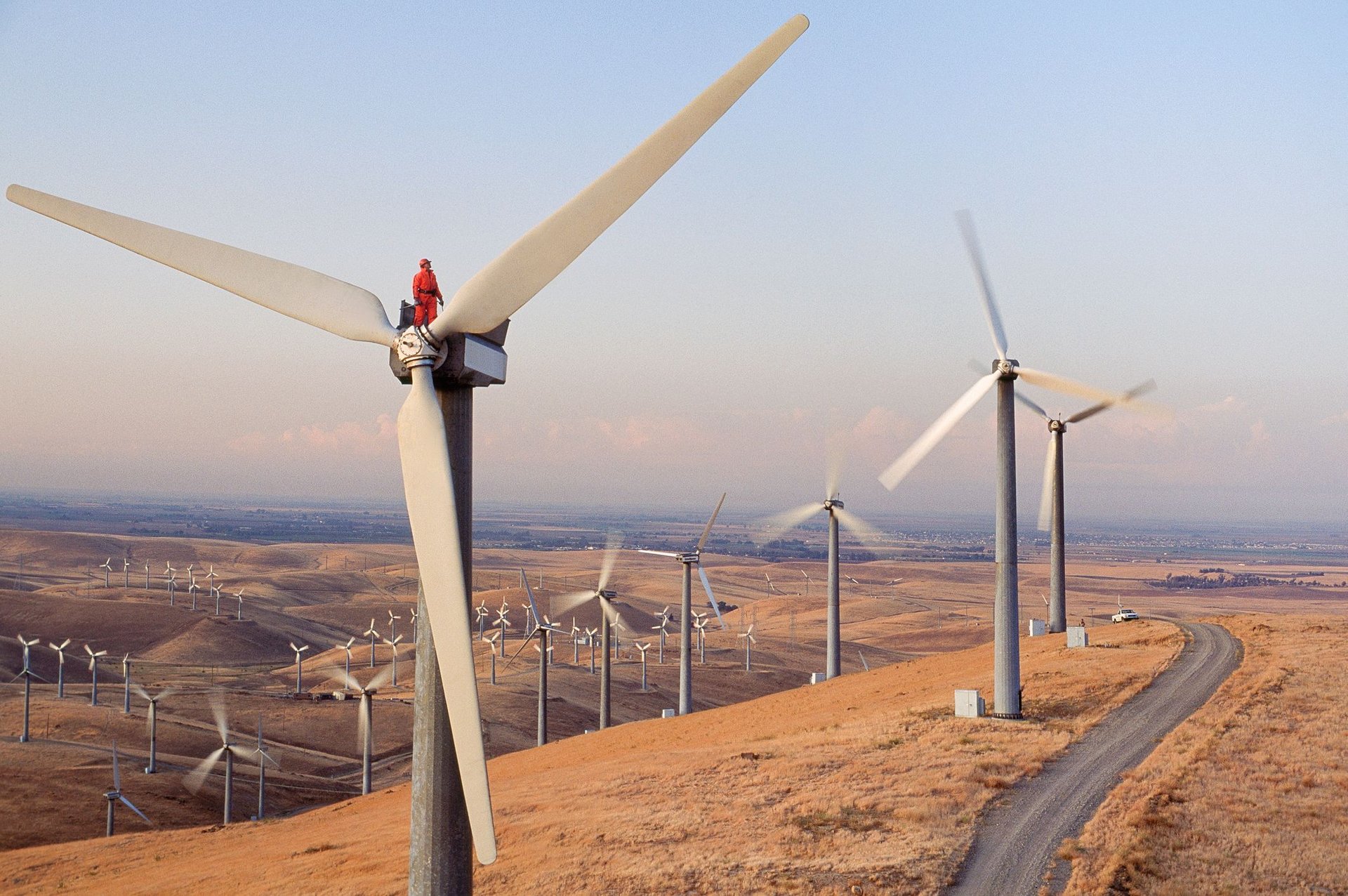
Credit: qz.com
Frequently Asked Questions
Which Produces More Energy: Solar Or Wind Power?
Wind power generally produces more energy per unit than solar. Wind turbines operate day and night, while solar panels rely on sunlight. However, energy output depends on location, weather, and technology used. Both are essential for a balanced renewable energy mix.
What Factors Affect Solar And Wind Energy Generation?
Solar energy depends on sunlight intensity, weather, and panel orientation. Wind energy relies on wind speed, turbine height, and location. Both require optimal conditions to maximize efficiency and energy output, making site assessment crucial for installation.
Is Wind Or Solar Power More Cost-effective?
Wind power has higher initial costs but lower operating expenses. Solar power installation costs have decreased significantly, making it affordable for many. Cost-effectiveness depends on project size, location, and available incentives. Both technologies are increasingly competitive in the energy market.
How Do Solar And Wind Energy Impact The Environment?
Both solar and wind energy produce clean power with minimal emissions. Solar panels require land and materials, while wind turbines may affect bird migration. Overall, they reduce reliance on fossil fuels and lower greenhouse gas emissions significantly.
Conclusion
Solar and wind energy both offer clean power options. Solar panels work best in sunny areas. Wind turbines generate energy where winds are strong. Each source has its own strengths and limits. Choosing depends on your location and needs. Combining both can provide steady energy supply.
Renewable energy helps reduce pollution and save money. Using solar or wind supports a healthier planet. The future of energy looks bright and green.