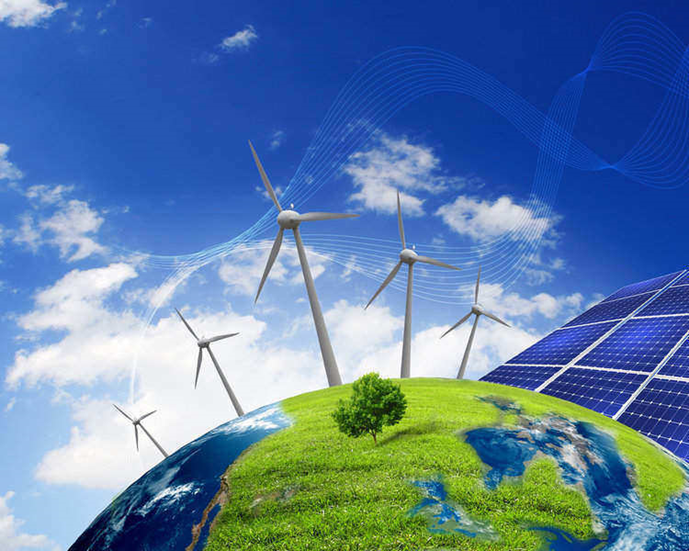
Are you curious about which renewable energy source packs a bigger punch for powering your home or business? You’re not alone.
With the rise of sustainable energy solutions, many people like you are trying to figure out whether wind or solar can generate more power. This decision could impact your energy bills, your carbon footprint, and even the future of our planet.
The battle between wind and solar isn’t just a topic for scientists and engineers; it’s a choice that could affect your everyday life. So, how do you decide which is better for your needs? Stick with us as we unravel the facts and help you make an informed decision that could change how you consume energy forever.

Credit: www.winnipegfreepress.com
Wind Power Basics
Wind turbinesconvert wind energy into electricity. Blades catch the wind and spin. The spinning turns a shaft inside the turbine. This shaft connects to a generator that makes electric power.
There are two main types of wind turbines:
- Horizontal-axis turbineshave blades that spin like airplane propellers.
- Vertical-axis turbinesspin around a vertical line, catching wind from any direction.
Ideal spots for wind energy have strong, steady winds. Open plains, hilltops, and coastal areas work best. Wind speeds between 12 to 25 miles per hourgenerate good power. Too little wind means low energy. Too strong wind can stop turbines to protect them.

Credit: www.youtube.com
Solar Power Essentials
Solar panelscreate electricity by capturing sunlight. The light hits the panels and makes tiny particles called electrons move. This movement creates electric currentwhich powers homes and devices.
| Type | Description | Use |
|---|---|---|
| Monocrystalline | Made from a single crystal, very efficient | Best for small spaces |
| Polycrystalline | Made from many crystals, less efficient | More affordable for large areas |
| Thin-Film | Lightweight and flexible but less efficient | Used on curved surfaces |
- Sunny places with few clouds are ideal
- Deserts and open fields get the most sunlight
- Roofs facing south usually catch more sun
- Away from tall buildings or trees to avoid shade
Comparing Energy Output
Capacity factorsshow how much energy wind and solar generate compared to their max capacity. Wind turbines often have higher capacity factors, around 30%-40%. Solar panels usually have lower, about 15%-25%. This means wind can produce power more consistently over time.
Average power generationdepends on location and technology. Wind farms in windy areas can create more energy than solar panels in less sunny spots. But solar power is more predictable during daylight hours.
Seasonal and daily variationsaffect both sources differently. Solar power peaks on sunny days and drops at night. Wind power can be stronger at night or during certain seasons, but it can also be very variable. Together, they can balance each other out to some extent.
Cost And Efficiency
Installation costsfor wind turbines are generally higher than solar panels. Wind systems need large structures and space. Solar panels are easier to place on roofs or fields. Maintenancefor wind turbines can be costly due to moving parts. Solar panels have fewer parts and require less upkeep.
| Type | Energy Conversion Efficiency | Return on Investment (ROI) |
|---|---|---|
| Wind | 35% to 45% | Usually 6 to 10 years |
| Solar | 15% to 22% | Often 5 to 8 years |
Wind turbines convert more energy from wind into electricity. Solar panels have lower efficiency but drop in price often. ROI depends on location, energy prices, and incentives. Both options can save money over time.
Environmental Impact
Wind poweruses large land areas but allows farming underneath. It may affect birds and bats flying near turbines.
Solar farmsneed large flat spaces, often in deserts. They can disturb local plants and animals if not planned well.
| Type | Carbon Footprint | Resource Use | Sustainability |
|---|---|---|---|
| Wind Power | Very low emissions after setup | Uses steel, concrete, and rare earth metals | Long-lasting turbines, recyclable parts |
| Solar Power | Low emissions but higher in manufacturing | Uses silicon, glass, and metals | Panels last 25+ years, some recycling challenges |
Reliability And Storage
Wind power often provides more consistent energy due to night and seasonal winds. Solar energy depends on sunlight, which varies daily and by location. Effective storage systems are crucial to balance supply and demand for both sources.
Intermittency Challenges
Wind and solar energydepend on natural conditions. Wind can stop or slow down. The sun does not shine at night or on cloudy days. This intermittencymeans power supply can be unsteady. Both sources need ways to handle these gaps to keep energy flowing.
Energy Storage Solutions
Energy storage helps save power for later use. Batteriesstore energy from wind and solar. Pumped hydrouses water to store energy. These systems help balance supply and demand. They make wind and solar more reliable.
Grid Integration
The power grid must manage energy from many sources. Smart gridsadjust to changes in wind and solar output. They send power where it is needed. This integrationkeeps the grid stable and helps use green energy efficiently.
Future Trends
Wind and solar power both offer clean energy, but wind turbines often produce more electricity. Solar panels depend on sunlight, while wind can blow day and night. Power output varies by location and weather conditions.
Technological Innovations
Wind and solar powerare growing fast with new technology. Wind turbines now capture more energy with taller towers and longer blades. Solar panels become cheaper and more efficient each year. Storage solutions like batteries help save energy for cloudy or calm days. Smart grids help balance power supply and demand easily.
Policy And Market Developments
Governments support clean energythrough subsidies and tax breaks. Many countries set goals to reduce carbon emissions by using more wind and solar. Markets are shifting as companies invest in renewable energy projects. This helps bring down costs and increase access worldwide.
Emerging Hybrid Systems
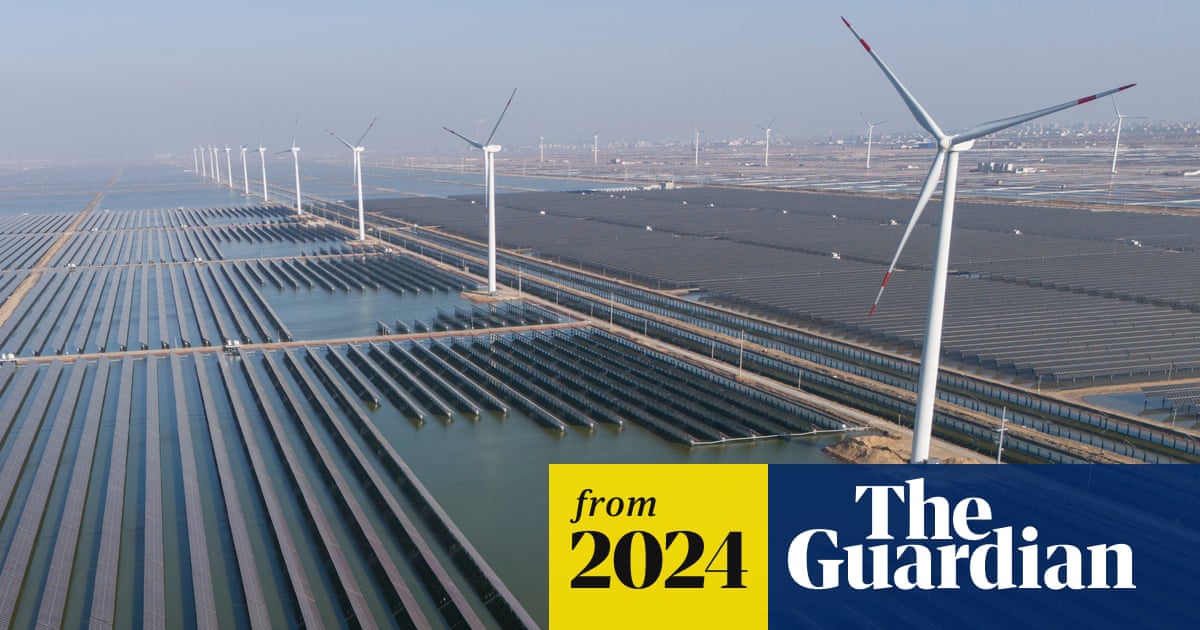
Combining wind and solar in one system can provide steady power. Hybrid systems use batteries to store energy for use at night or low wind. This mix improves reliability and reduces dependence on fossil fuels. Small-scale hybrid setups are growing in homes and businesses.
Credit: www.theguardian.com
Frequently Asked Questions
Which Produces More Energy: Wind Or Solar Power?
Wind power generally produces more energy per unit than solar, especially in windy areas. It can operate day and night, unlike solar.
How Does Location Affect Wind Vs Solar Power Output?
Wind and solar energy output depends heavily on location. Wind needs consistent strong winds, while solar requires ample sunlight.
Are Wind Turbines Or Solar Panels More Efficient?
Wind turbines typically have higher efficiency rates than solar panels, converting more wind energy to electricity under optimal conditions.
What Are The Environmental Impacts Of Wind And Solar Power?
Both have low emissions, but wind turbines may affect bird life. Solar panels require land and materials but emit no noise.
Conclusion
Wind and solar power both offer clean energy solutions. Wind turbines can produce energy day and night if the wind blows. Solar panels work best during sunny hours. Each has strengths depending on location and weather. Choosing between them depends on your energy needs and environment.
Combining both often provides the best results. Both reduce pollution and save resources. Clean energy is key to a healthier planet. Consider local conditions to decide which suits you. Both wind and solar help build a sustainable future.