Imagine a world where your energy is powered by the sun. It’s not just a dream but a reality you can tap into with solar power.
You might wonder, “What generates solar power? ” Understanding this could be your gateway to harnessing clean, limitless energy and reducing your electricity bills. In the following paragraphs, you will discover the secrets behind solar power generation. By the end, you’ll see how easy it is to bring this sustainable energy source into your own home.
Stay with us, and unlock the potential of the sun for your future.

Credit: www.bgr.com
Solar Power Basics
Solar energy comes from the sun’s light and heat. Special panels called solar panelscatch sunlight. These panels change sunlight into electricity. This electricity can power homes, schools, and businesses. The process is clean and safe for the environment.
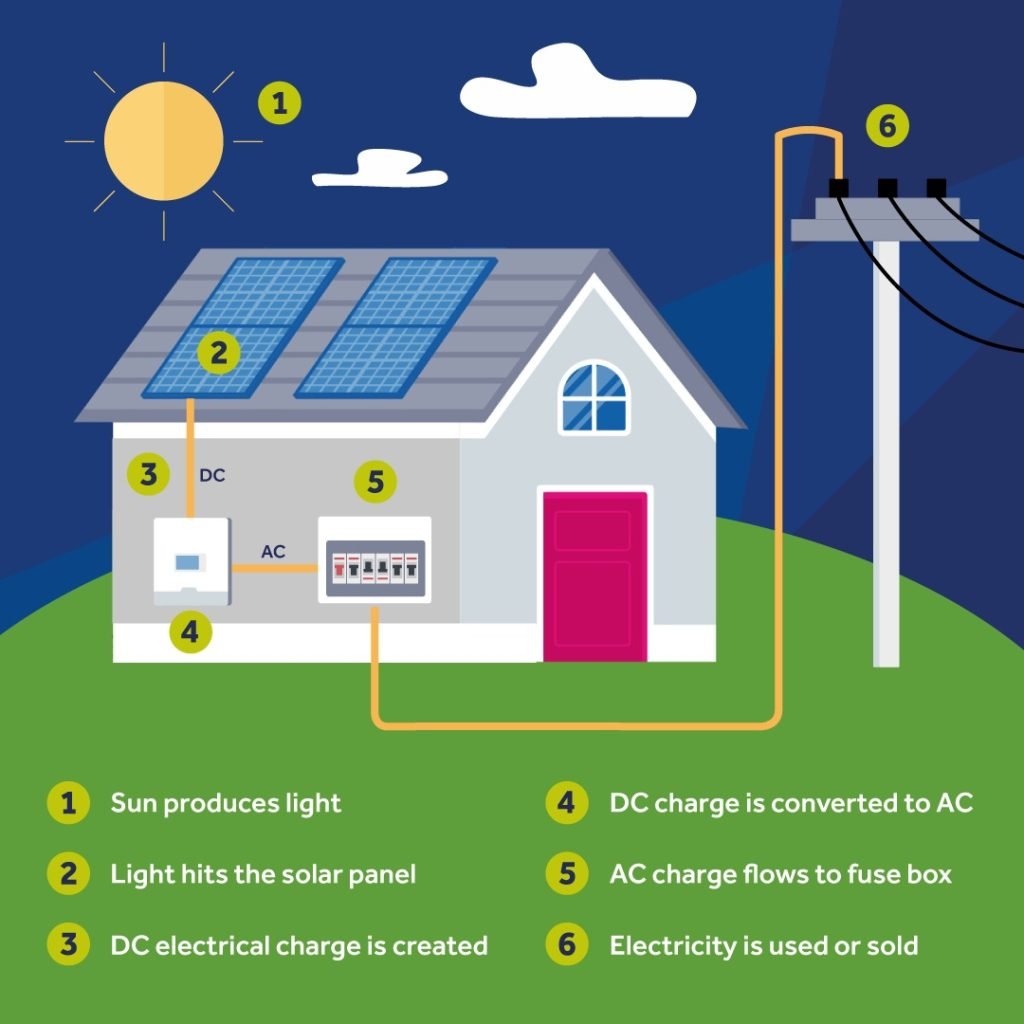
Solar panels have many small parts called photovoltaic cells. These cells work together to turn sunlight into power. Sunlight hits the cells, which create direct current (DC) electricity. An inverter changes DC into usable alternating current (AC) electricity. This is the kind of electricity used in buildings.
| Type of Solar Power System | Description |
|---|---|
| Grid-Tied System | Connected to the main power grid, uses solar power first, then grid power. |
| Off-Grid System | Works independently with batteries to store energy for use. |
| Hybrid System | Combines solar panels, batteries, and grid connection for flexibility. |

Credit: www.youtube.com
Solar Panel Components
Photovoltaic cellsare the heart of a solar panel. They change sunlight into electricity using silicon layers. Each cell creates a small electric charge. Many cells work together to make enough power for homes or gadgets.
Invertersturn the direct current (DC) electricity from solar panels into alternating current (AC). AC is the type used in houses. Without inverters, solar power cannot run most home appliances.
Batteriesstore energy for use when the sun is not shining. They keep power ready at night or on cloudy days. Batteries help make solar energy reliable and steady.
Sunlight And Energy Conversion
Sunlightis the main source for generating solar power. It carries energyfrom the sun to Earth. Solar panels catch this energy using special materials called photovoltaic cells.
These cells change sunlight into electricity. When sunlight hits the cells, it moves tiny particles called electrons. This movement creates an electric current.
The electric current flows through wires to power homes, schools, and businesses. Solar power is clean and does not make pollution. It can work even on cloudy days, but sunlight makes it stronger.
| Step | What Happens |
|---|---|
| Sunlight Hits Panel | Photovoltaic cells absorb sunlight |
| Electron Movement | Sunlight moves electrons in cells |
| Electric Current | Flow of electrons creates electricity |
| Power Use | Electricity powers buildings and devices |
Factors Affecting Solar Power
Weather and climateplay a big role in solar power. Sunny days help panels make more energy. Cloudy or rainy weather reduces sunlight, lowering power output. Cold weather does not stop panels; in fact, panels work better in cooler temperatures. Snow can block sunlight but also reflect light to panels, sometimes helping.
The orientation and placementof solar panels affect power too. Panels should face the sun directly. In the northern hemisphere, facing south usually works best. The angle of panels matters; it should match the location’s latitude for best results. Avoid shadows from trees or buildings, as they cut energyproduction.
| Factor | Effect on Solar Power |
|---|---|
| Sunny Weather | More energy produced |
| Cloudy/Rainy Weather | Less energy produced |
| Cold Temperature | Improves panel efficiency |
| Snow | Can block or reflect sunlight |
| Panel Orientation | Facing sun increases power |
| Panel Angle | Should match location latitude |
| Shadows | Reduce energy output |
Advantages Of Solar Energy
Solar power is created when sunlight hits solar panels, turning light into electricity. This energy is clean, renewable, and helps lower electricity bills. It reduces pollution and uses an unlimited natural resource—the sun.
Environmental Benefits
Solar energyhelps reduce pollution. It does not produce greenhouse gases. This means cleaner air and less harm to nature. Solar power uses the sun, a renewable resource. It does not run out like coal or gas. Using solar energy protects wildlife and plants. It also lowers water use since solar panels need little water to work.
Cost Savings And Efficiency
Solar panels can cut electricity bills. After the initial cost, sunlight is free. Solar systems need little maintenance, saving money. Panels last for many years, giving long-term savings. Modern solar panels convert sunlight to power very well. They work even on cloudy days. Homes with solar energy can increase their value.

Credit: medium.com
Future Of Solar Power
Technological innovationsare making solar power more efficient and cheaper. New solar panels absorb more sunlight and work well even in low light. Battery storage systems improve, so solar energy can be used at night or on cloudy days. Smart grids help manage energy better by balancing supply and demand.
Many countries are adopting solar power quickly. This helps reduce pollution and saves money on energy bills. Governments offer incentives to encourage solar panel installation. People in cities and rural areas use solar power for homes, schools, and businesses.
| Region | Solar Power Growth | Key Drivers |
|---|---|---|
| Asia | Fastest growth | Government support, large markets |
| Europe | Steady increase | Environmental laws, public awareness |
| North America | Growing adoption | Technological advances, incentives |
| Africa | Emerging market | Energy access needs, investment |
Frequently Asked Questions
What Generates Solar Power In A Solar Panel?
Solar power is generated when sunlight hits photovoltaic cells in a panel. These cells convert sunlight into electricity through the photovoltaic effect, producing direct current (DC) power.
How Do Photovoltaic Cells Produce Electricity?
Photovoltaic cells absorb sunlight, which excites electrons. These moving electrons create an electric current that generates solar power.
Can Solar Power Be Generated On Cloudy Days?
Yes, solar panels still generate power on cloudy days, but at reduced efficiency. They use diffused sunlight to produce electricity.
What Materials Are Used In Solar Power Generation?
Solar panels mainly use silicon-based photovoltaic cells. Other materials include glass, metal frames, and wiring for electricity conduction.
Conclusion
Solar power comes from sunlight hitting solar panels. These panels change sunlight into electricity. This clean energy helps reduce pollution and save money. Solar power works best on sunny days but can still work with clouds. Using solar energy supports a greener planet for future generations.
Choosing solar power means using nature’s free and endless energy. It’s a smart step toward a brighter, cleaner world.