Imagine powering your home with a solar cell that mimics the way plants harness energy from the sun. Intrigued?
That’s exactly what dye-sensitized solar cells (DSSCs) aim to do. If you’re curious about the latest advancements in solar technology and want to know which generation these fascinating cells belong to, you’re in the right place. We’ll explore the captivating world of dye-sensitized solar cells and uncover why they might just be the future of renewable energy.
Ready to discover how these innovative cells could revolutionize the way you think about solar power? Let’s dive in and unravel the mystery together.

Credit: en.wikipedia.org
Basics Of Dye Sensitized Solar Cells
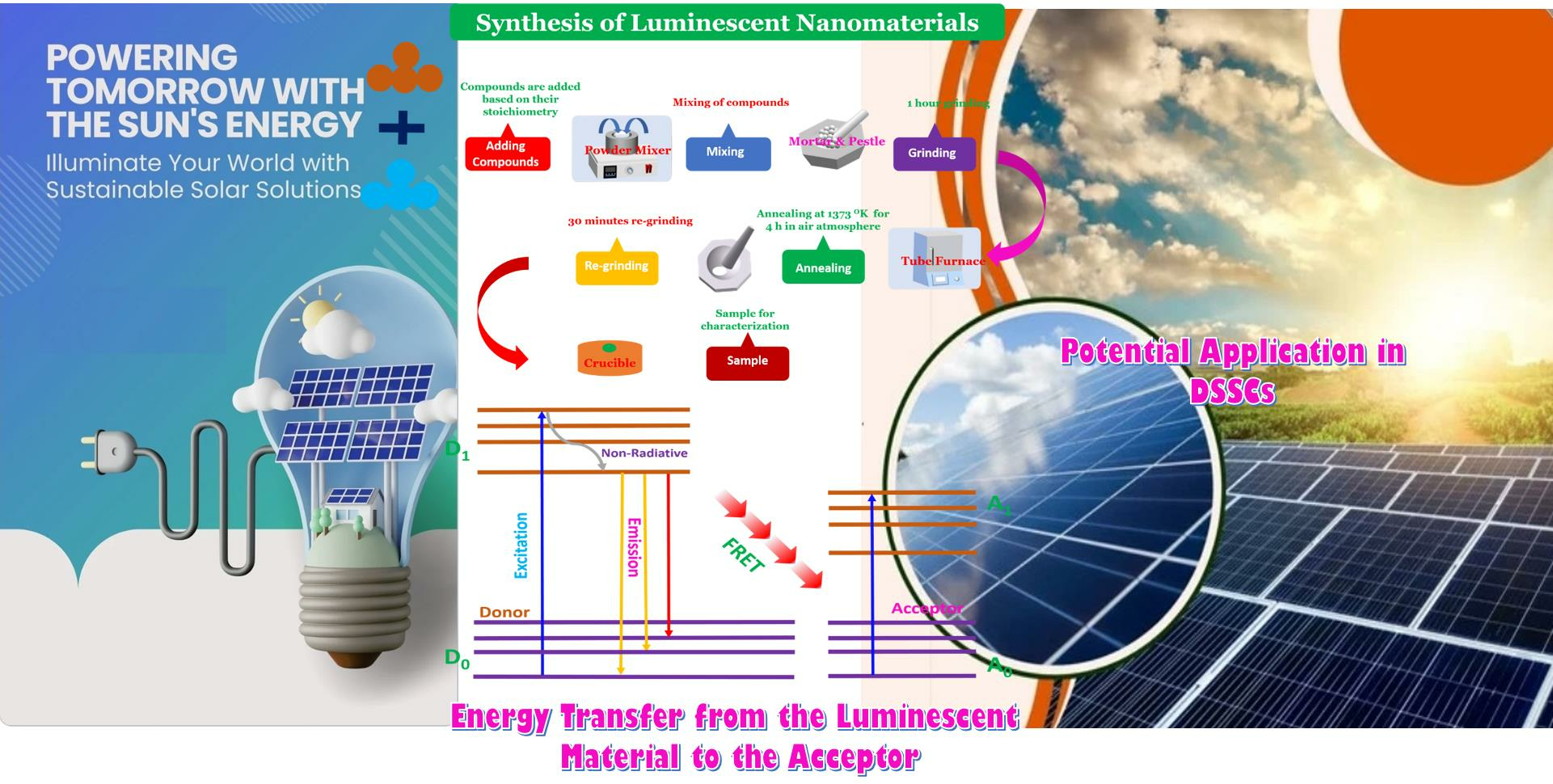
Dye Sensitized Solar Cells (DSSCs)use a special dye to capture sunlight. They have three core components:a photoanode, a dye, and an electrolyte. The photoanode is usually made of titanium dioxide. The dye absorbs light and creates electrons. These electrons move through the photoanode to produce electricity. The electrolyte helps in moving electrons back to the dye.
The working mechanisminvolves light hitting the dye molecules. This excites electrons, which then jump to the photoanode. The electrons flow through an external circuit, creating electric current. After that, the electrolyte transfers electrons back to the dye to start again.
| Component | Material Choices | Role |
|---|---|---|
| Photoanode | Titanium dioxide (TiO2) | Supports dye and conducts electrons |
| Dye | Ruthenium complexes or organic dyes | Absorbs sunlight and releases electrons |
| Electrolyte | Iodide/triiodide redox couple | Transfers electrons back to dye |
Credit: www.mdpi.com
Evolution Of Solar Cell Technologies
Solar cell technologieshave evolved over time, improving efficiency and cost. First generationsolar cells use silicon, the most common material. These cells are reliable but can be expensive and rigid.
Second generationsolar cells are called thin-filmcells. They use less material and are lighter. These cells work well on flexible surfaces but often have lower efficiency.
Third generationsolar cells include emerging technologieslike dye-sensitized solar cells (DSSCs). DSSCs use a special dye to capture sunlight and are cheaper to make. They work well in low light and can be made in different colors. These cells are part of new efforts to find affordable and flexible solar power solutions.
Classification Of Dye Sensitized Solar Cells
Dye Sensitized Solar Cells (DSSCs)belong to the third generationof solar technology. They are different from first and second generation solar cells.
| Generation | Type | Key Feature | Efficiency Range |
|---|---|---|---|
| First | Silicon Wafer | High purity silicon, rigid | 15-22% |
| Second | Thin Film | Thin layers, flexible | 10-13% |
| Third | Dye Sensitized Solar Cells | Uses dyes, low cost | 7-12% |
- DSSCs use a dye to capture sunlight.
- They are cheaper than silicon solar cells.
- DSSCs work well in low light.
- Less efficient but flexible and lightweight.
Advantages Of Dye Sensitized Solar Cells
Dye sensitized solar cellsare known for their cost-effectiveness. They use less expensive materials than traditional solar cells. This helps to lower the overall price.
These cells are very flexible in design. They can be made into thin sheets and fit on curved surfaces. This allows them to be used in many different ways.
Performance in low lightis better compared to other solar cells. They can still produce energy on cloudy days or indoors. This makes them useful in many environments.
Challenges Facing Dye Sensitized Solar Cells
Dye Sensitized Solar Cells belong to the third generation of solar technology. Challenges include lower efficiency and stability compared to traditional cells. Improving materials and design can help overcome these issues.
Stability Issues
Dye sensitized solar cells often face stability problems. The dyes can degrade under sunlight. This causes the cell to work less over time. The liquid electrolyte inside may also evaporate or leak. This reduces the cell’s lifespan. Improving stability is key for long-term use.
Efficiency Limitations
These cells usually have lower efficiencycompared to other solar cells. They convert less sunlight into electricity. This is because the dyes absorb limited light. Scientists work to find better dyes. Still, efficiency remains a big challenge.
Scalability Concerns
Scaling up dye sensitized solar cells for large use is tough. Manufacturing at large scale can be expensiveand complex. Uniform quality is hard to keep. Also, some materials used are rare or costly. Finding cheaper, abundant materials is important for growth.
Future Prospects And Innovations
Material improvementsfocus on finding better dyes and semiconductors. These can increase solar cell efficiency and lower costs. New materials might absorb more sunlight and last longer. Stability and safety are also key goals. Researchers try different combinations to find the best mix.
Hybrid technologiescombine dye-sensitized cells with other solar types. This can boost power output and performance in low light. Such hybrids might use perovskites or organic solar cells. They aim to use the strengths of each technology for better results.
| Commercialization Potential | Details |
|---|---|
| Cost | Lower production costs than silicon solar panels |
| Flexibility | Can be made lightweight and flexible for various uses |
| Applications | Useful for small devices, building integration, and remote areas |
| Challenges | Needs improved durability and mass manufacturing techniques |

Credit: www.sciencedirect.com
Frequently Asked Questions
What Generation Is Dye Sensitized Solar Cell?
Dye sensitized solar cells (DSSCs) belong to the third generation of solar technologies. They are known for being low-cost and flexible. DSSCs use organic dyes to capture sunlight, differing from traditional silicon-based cells. This generation focuses on innovative materials and cost efficiency.
How Do Dye Sensitized Solar Cells Work?
DSSCs work by using a dye to absorb sunlight and generate electrons. The electrons travel through a semiconductor to produce electricity. This process mimics natural photosynthesis. It allows DSSCs to function efficiently under low light and diffuse conditions.
What Are The Advantages Of Dye Sensitized Solar Cells?
DSSCs are inexpensive to produce and use abundant materials. They perform well in low light and cloudy conditions. Their flexibility allows for creative applications like building-integrated photovoltaics. Additionally, they have a lower environmental impact than silicon cells.
Are Dye Sensitized Solar Cells Commercially Viable?
DSSCs are still emerging in commercial markets. They offer benefits like low cost and versatility but have lower efficiency than silicon cells. Research is ongoing to improve their durability and performance for broader commercial use.
Conclusion
Dye Sensitized Solar Cells belong to the third generation of solar technology. They offer a balance between cost and efficiency. These cells use dyes to capture sunlight and turn it into energy. They work well in low light and different angles.
This makes them useful in many places. While not the most efficient, they are affordable and flexible. Understanding their generation helps us see their role in solar progress. They show how solar power keeps evolving to meet our needs.