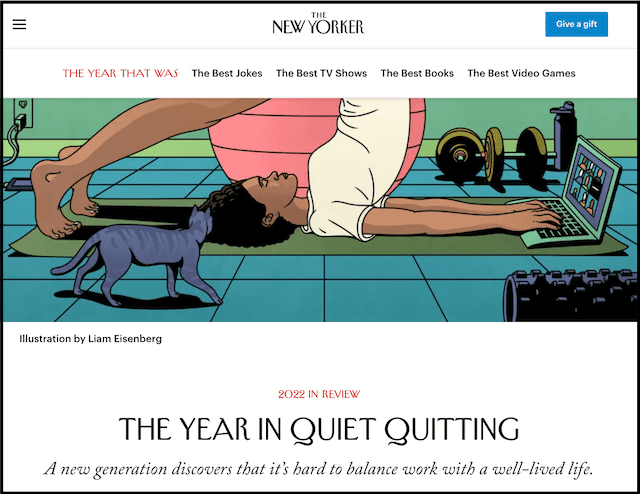
Have you ever felt like you’re just going through the motions at work, doing the bare minimum and nothing more? If so, you’re not alone.
This feeling is part of a growing trend called “quiet quitting. ” But which generation is leading this movement? Understanding who is most involved can change how you see your own work habits and those around you. Keep reading to discover what generation is quiet quitting—and why it matters to your career and workplace.
The Rise Of Quiet Quitting
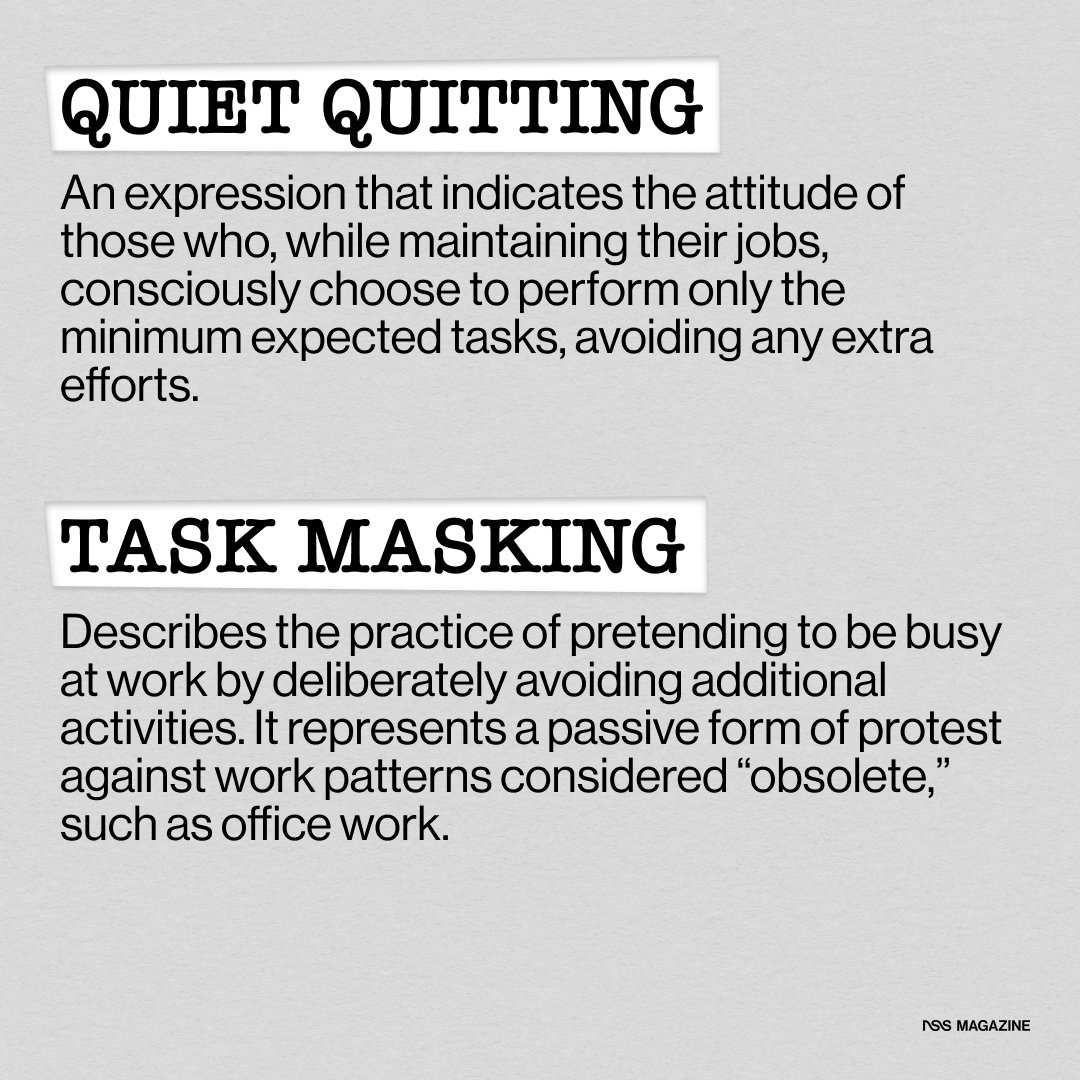
Quiet quittingmeans doing only the work in your job description. No extra tasks, no overtime. It started as a way for workers to set boundaries.
Many people feel tired and want to keep work and life separate. Quiet quitting shows a desire for balance. It is not about leaving a job but about changing how much effort is given.
This idea is gaining attention because more workers share their stories online. Younger generations, like Millennialsand Gen Z, talk about it a lot. They want fair work and time for themselves.
Employers notice changes in work habits. Quiet quitting raises questions about job satisfaction and workplace culture. It shows a shift in how people think about work and life.
Credit: www.nssmag.com
Generational Perspectives
Quiet quitting is often linked to Millennials and Gen Z, who seek work-life balance over extra effort. These generations value setting boundaries and avoiding burnout at work.
Baby Boomers’ Work Ethic
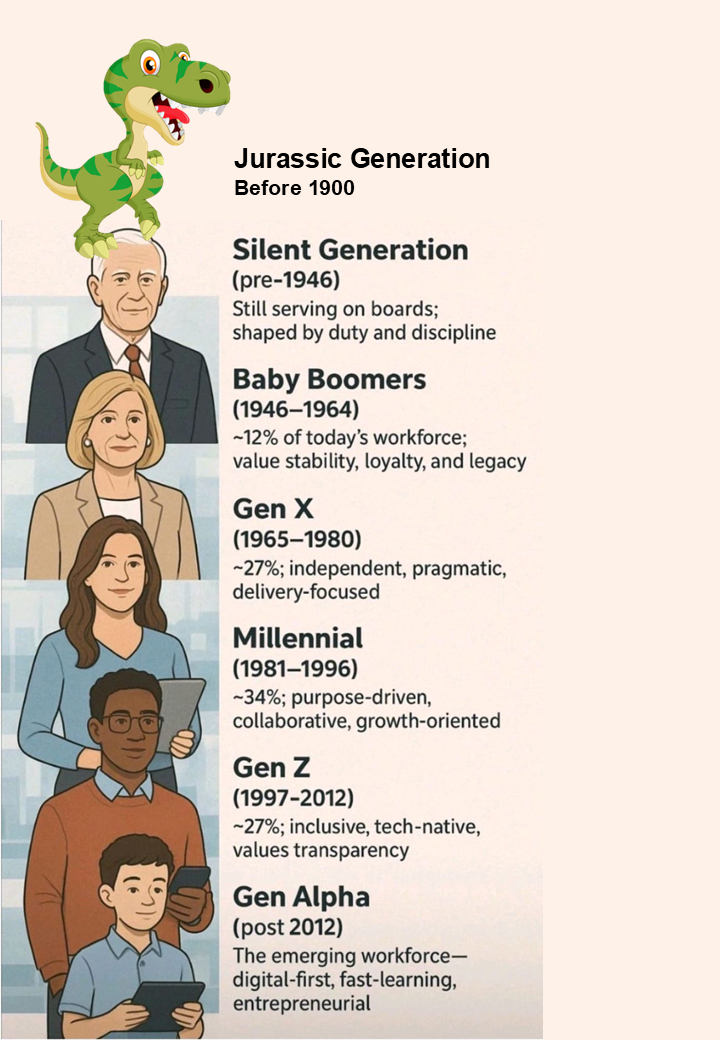
Baby Boomersvalue hard work and loyalty. They believe in staying at one job for a long time. Many see work as a key part of their identity. They often put in extra hours without complaint. Quiet quitting feels strange to them. They think effort beyond duty shows respect.
Gen X Attitudes
Gen Xworkers balance work and life carefully. They grew up during economic changes and value job security. They do not like wasting time but also avoid burnout. Quiet quitting can seem like protecting personal time. They focus on results, not just hours.
Millennials And Work-life Balance
Millennialswant good work-life balance. They value flexibility and meaningful work. Many reject long hours without extra pay. Quiet quitting is a way to keep energy for life outside work. They seek jobs that respect their time.
Gen Z’s Approach To Employment
Gen Zis the youngest group in the workforce. They want honest communication and mental health support. Quiet quitting shows a need for better job fit. They prefer clear boundaries and fair treatment. Work is part of life, not all of it.
Who’s Leading The Trend?
Quiet quittingis most common among Millennials and Gen Z. These younger workers focus on balance. They do only what their job requires. Older generations tend to work beyond their duties more often.
| Age Group | Percentage Quiet Quitting | Main Reason |
|---|---|---|
| Gen Z (18-24) | 45% | Work-life balance |
| Millennials (25-40) | 40% | Job satisfaction |
| Gen X (41-56) | 25% | Financial needs |
| Baby Boomers (57+) | 15% | Loyalty and stability |
Different generations react to work stress differently. Younger people want flexibilityand mental healthfocus. Older workers value job securityand steady income. These factors shape how they approach quiet quitting.
Credit: medium.com
Workplace Culture And Quiet Quitting
Management stylesgreatly affect quiet quitting. Strict bosses may cause stress and low motivation. Friendly leaders build trust and job satisfaction. Employees tend to work better under support and respect. Micromanagement can push workers to stop extra efforts.
Job satisfaction plays a key role. When people feel happy and valued, they work harder. Lack of recognition and boring tasks lead to quiet quitting. Fair pay and clear goals help keep workers engaged.
Remote work changes the game. It offers flexibility but can cause isolation. Some miss team support, which lowers motivation. Others enjoy work-life balance, improving satisfaction. Clear communication and good tech are important for remote workers.
Implications For Employers
Employee engagementis key to stopping quiet quitting. Workers need to feel valuedand part of the team. Regular feedback and open talks can help workers share feelings and ideas.
Changing expectationsmean companies must adapt. Many want flexible hours, work from home, and time for family. Meeting these needs helps keep staff happy and active.
- Offer clear goals and fair rewards.
- Support work-life balance with flexible schedules.
- Create chances to learn new skills.
- Recognize efforts often and sincerely.
- Build a friendly and open workplace culture.

Credit: www.youtube.com
Future Of Work And Quiet Quitting
The workforce is changingfast. Many employees now seek better work-life balance. Quiet quitting shows how some do just enough work to meet job needs. This means they do not go beyond their roles.
Different generations reactdifferently. Younger workers, like Millennials and Gen Z, value mental healthand job satisfaction. They may quietly quit if they feel overworked or underappreciated. Older generations often stay loyal but may feel stressed.
| Potential Long-term Effects | Description |
|---|---|
| Lower Productivity | Work output may fall as employees reduce extra efforts. |
| More Turnover | Employees may leave jobs if they feel disconnected. |
| Changing Job Culture | Workplaces may focus more on fairness and wellness. |
| Management Challenges | Leaders must find new ways to motivate and engage staff. |
Frequently Asked Questions
What Generation Is Most Associated With Quiet Quitting?
Quiet quitting is mainly linked to Generation Z and Millennials. These groups prioritize work-life balance and mental health. They often set clear boundaries to avoid burnout. This trend reflects their preference for meaningful work over overtime.
Why Is Quiet Quitting Popular Among Younger Generations?
Younger generations face job dissatisfaction and burnout, leading to quiet quitting. They value personal time and avoid extra work without pay. This behavior signals a shift in workplace expectations and employee engagement.
How Does Quiet Quitting Impact Workplace Productivity?
Quiet quitting can reduce productivity as employees do the bare minimum. It may lower overall team motivation and slow project progress. However, it also highlights the need for better management and employee support.
Can Quiet Quitting Affect Career Growth?
Yes, quiet quitting can limit career advancement. Employees who disengage may miss opportunities for promotions or skill development. Active participation and extra effort often lead to better career prospects.
Conclusion
Quiet quitting reflects a shift in work attitudes. Especially among younger generations. Many seek work-life balance over traditional career goals. This trend questions long-held norms. Employers must adapt to these changing values. Understanding these trends is key. It helps in creating supportive work environments.
Communication and flexibility become vital. They enhance job satisfaction and retention. Businesses should focus on employee well-being. It’s a win-win for everyone involved. Recognizing these generational shifts is crucial. The workplace continues to evolve with them. Adapting to these changes ensures future success.
Embrace this new mindset for a thriving work culture.