
Are you exploring the world of renewable energy and wondering how to keep your solar power system running smoothly, even when the sun isn’t shining? If you’ve ever faced a cloudy day and worried about keeping your devices charged, you’re not alone.
Many people like you are discovering the convenience of pairing solar charge controllers with generators to ensure a consistent power supply. But with so many options on the market, how do you know which generator will truly complement your solar setup?
In this guide, we’ll unravel the mystery and help you find the perfect generator that will work seamlessly with your solar charge controller. Get ready to empower your energy independence and make the most of your solar investment!
Types Of Generators Compatible With Solar Controllers
Generators must work well with solar charge controllers. Portable gasoline generatorsare common. They are easy to carry and use. These generators provide steady power but can be noisy.
Inverter generatorsare quieter and more efficient. They produce clean power that suits solar controllers. These are good for sensitive electronics.
Diesel generatorsare strong and last long. They are good for heavy power needs but can be large and noisy.
Propane generatorsburn cleaner than gasoline or diesel. They run quietly and are better for the environment. Propane is easy to store and use.
How Solar Charge Controllers Work With Generators
A solar charge controllermanages power flow from solar panels to batteries. It protects batteries by stopping overcharging and deep discharging. This keeps batteries healthy and lasts longer.
The generatorcan work with the charge controller if their outputs match. The controller checks voltageand currentlevels. It then adjusts to ensure safe charging.
Not all generators fit well with solar charge controllers. The generator’s voltageoutput must align with the controller’s input range. The currentshould also be compatible.
| Aspect | Requirement |
|---|---|
| Voltage Compatibility | Generator output voltage must match controller input |
| Current Compatibility | Generator current should not exceed controller limits |
| Controller Role | Protects battery from damage by regulating charge |
Key Features To Match Between Generator And Controller
Power outputof the generator must match the solar charge controller’s limits. Too much power can damage the controller. Too little power will not charge batteries efficiently. Check the controller’s max current and voltage ratings before choosing a generator.
Voltage regulation is key. The generator should provide a stable voltagethat matches the controller’s input range. Voltage spikes or drops can cause faults or reduce battery life. A good generator keeps voltage within safe limits.
Frequency stabilitymatters for some controllers. The generator’s frequency should stay close to the rated frequency (usually 50 or 60 Hz). Fluctuations can affect controller performance and battery charging quality. Choose a generator with reliable frequency control.

Credit: www.shoptinyhouses.com
Hybrid Systems: Combining Solar And Generator Power
Hybrid systems use both solar powerand a generator. This combo offers more reliable energy. Solar panels work during the day, and the generator kicks in when needed. It helps during bad weatheror at night.
Benefits of Hybrid Setupsinclude:
- Consistent powersupply
- Lower fuel use for generators
- Longer battery life
- Reduced energy costs
Switching Mechanismslet the system choose power sources. It can switch between solar and generator automatically. This keeps the system running smoothly without user help.
Battery Charging Strategiesprotect batteries from damage. Solar charge controllers control the charging speed. The generator can boost battery power when solar is low. This balance helps batteries last longer.
Common Issues And Troubleshooting
Choosing a generator compatible with a solar charge controller can prevent power issues and damage. Common problems include voltage mismatches and improper connections. Checking the generator’s output specs ensures smooth operation and avoids troubleshooting headaches.
Overcharging Risks
Overchargingcan damage batteries and reduce lifespan. Solar charge controllers usually stop charging at full capacity. But using a generator without proper control may cause excess voltage. Always check the controller’s settings to avoid overcharge. Regularly inspect battery health to catch early signs of damage.
Inverter And Controller Conflicts
Inverters and solar charge controllers may conflictif not matched well. This can lead to power lossor system failures. Choose components with compatible voltage and current ratings. Ensure the inverter can handle the power from both the solar panels and generator. Test the system after installation to find issues.
Noise And Interference
Generators often create electrical noisethat can affect solar controllers. This interference may cause erratic behavioror false readings. Use filters or shielded cablesto reduce noise. Keep the generator and controller physically apart if possible. Regular maintenance helps keep noise levels low.
Safety Tips When Using Generators With Solar Controllers
Proper groundingof both the generator and the solar charge controller is essential. This prevents electrical shocks and protects devices from damage. Always connect the grounding wire to a suitable earth ground.
Avoiding electrical hazardsmeans keeping cables organized and dry. Use insulated wires and never touch live parts. Turn off the generator before connecting or disconnecting it to the solar controller.
Maintenance best practicesinclude regular checks of wires, connectors, and the generator itself. Clean dust and debris often. Replace worn parts immediately to keep the system safe and efficient.
Top Generator Models For Solar Charge Controllers
Budget-friendly generatorsoffer good value and reliable power. Models like the Honda EU2200iand Champion 2000-Wattwork well with most solar charge controllers. They provide clean power and run quietly. These generators are easy to carry and ideal for small solar systems.
For high-end options, brands such as Generac GP3500iOand Yamaha EF2200iSdeliver more power and longer run times. They have advanced features like parallel capability and fuel efficiency. These models suit larger solar setups and heavy-duty needs.
| Model | Power Output | Price Range | User Ratings | Key Feature |
|---|---|---|---|---|
| Honda EU2200i | 2200 Watts | $$$ | 4.8/5 | Quiet and fuel efficient |
| Champion 2000-Watt | 2000 Watts | $$ | 4.5/5 | Lightweight and portable |
| Generac GP3500iO | 3500 Watts | $$$$ | 4.7/5 | Parallel capability |
| Yamaha EF2200iS | 2200 Watts | $$$$ | 4.6/5 | Fuel efficient and quiet |
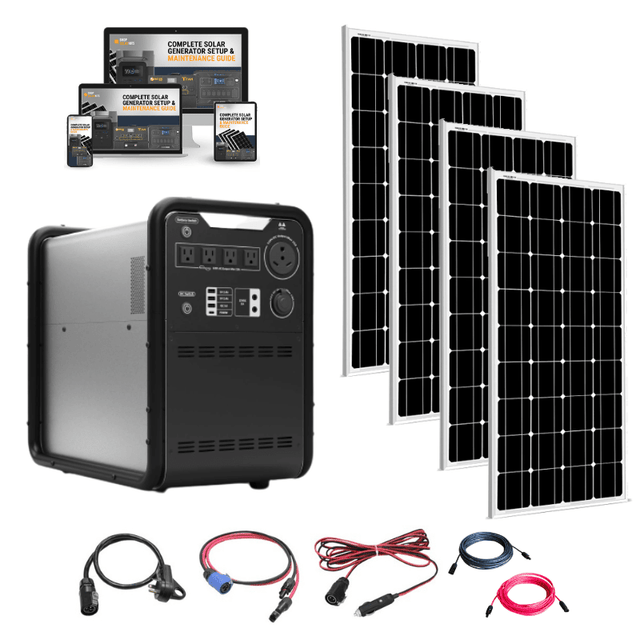
Credit: shopsolarkits.com
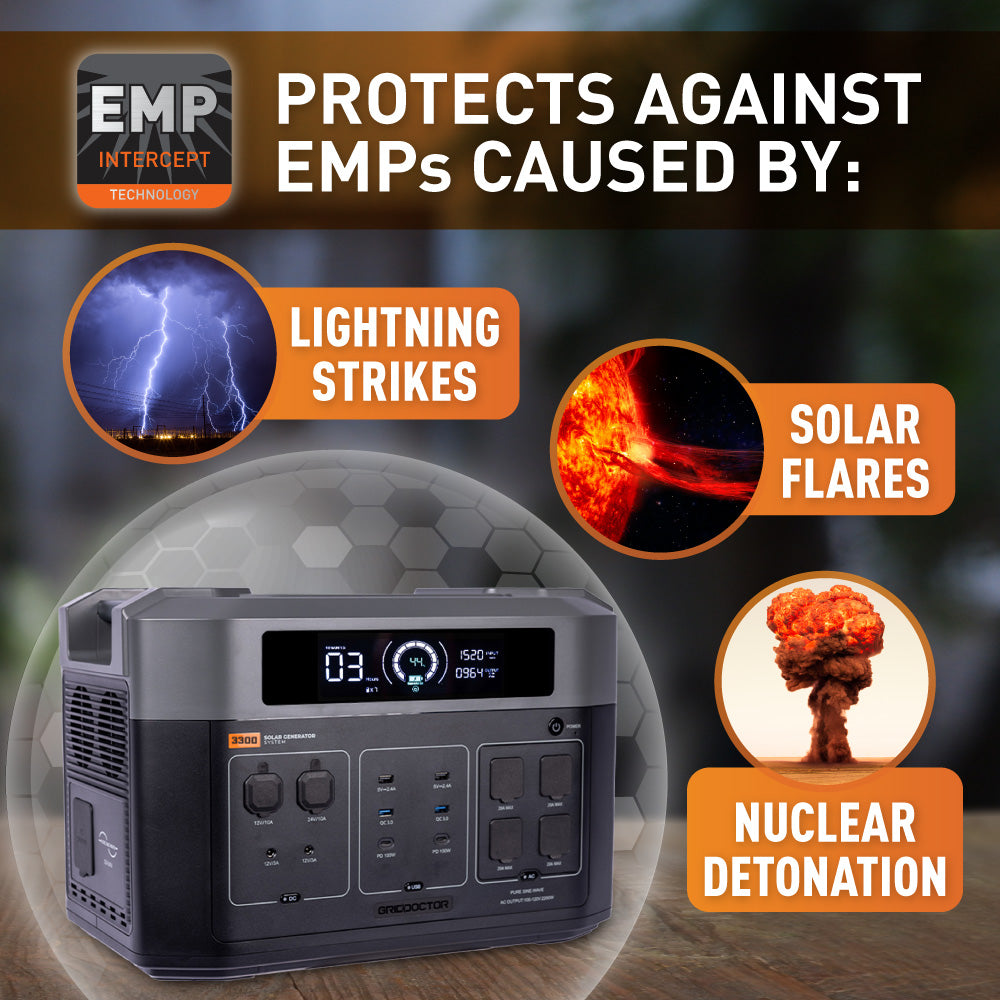
Credit: www.beprepared.com
Frequently Asked Questions
What Types Of Generators Work With Solar Charge Controllers?
Inverter and portable generators typically work well with solar charge controllers. They provide stable AC power, which can be converted to DC for battery charging. Ensure your generator matches the voltage and current requirements of the solar system for optimal performance.
Can A Gasoline Generator Charge Batteries Via A Solar Controller?
Yes, gasoline generators can charge batteries through solar charge controllers. The generator provides AC power, converted to DC by an inverter or charger. This setup complements solar input, especially during low sunlight or high energy demand periods.
Is A Diesel Generator Compatible With Solar Charge Controllers?
Diesel generators are compatible with solar charge controllers when used with the right inverter or charger. They offer reliable power backup for solar battery systems, ensuring continuous energy supply during extended cloudy days or power outages.
How To Connect A Generator To A Solar Charge Controller?
Connect the generator to an inverter or DC charger that matches your solar charge controller. The inverter converts AC to DC, allowing the controller to manage battery charging safely and efficiently. Always follow manufacturer guidelines for proper wiring and compatibility.
Conclusion
Choosing the right generator for your solar charge controller matters a lot. A compatible generator keeps your system safe and working well. Small, clean power sources usually work best. Avoid generators with unstable or dirty power output. Always check your charge controller’s specs before buying.
Matching your gear saves time, money, and stress. This way, you get reliable energy when you need it most. Keep your setup simple and efficient for long-term use. Smart choices make off-grid power easier and more dependable.