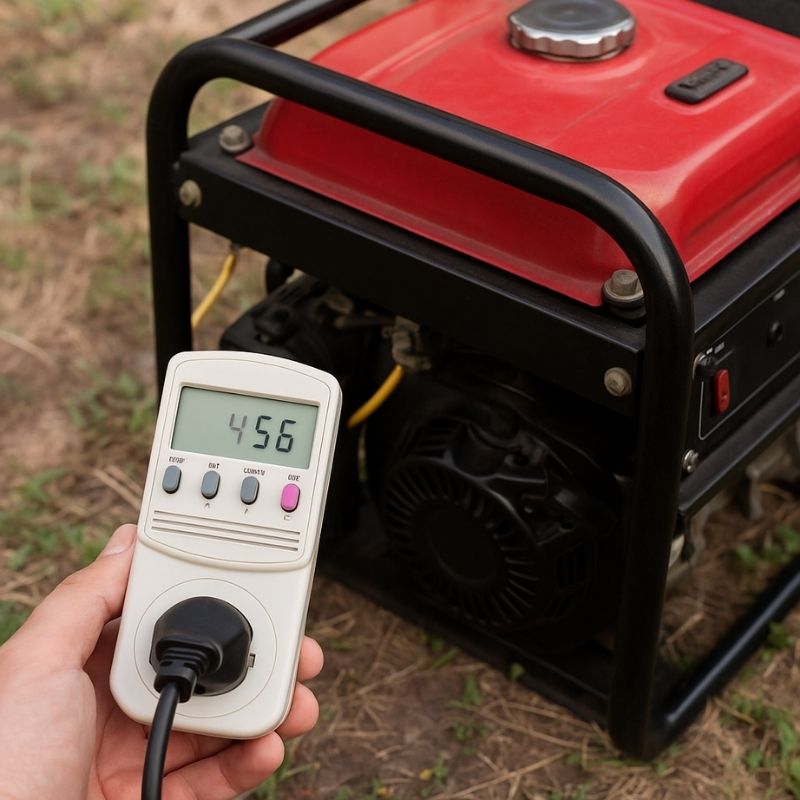
Imagine this: the power goes out, and you breathe a sigh of relief knowing your trusty standby generator is there to save the day. But what if, in the midst of this blackout, your generator suddenly gives up?
This is a nightmare scenario you definitely want to avoid. Overloading a generator can lead to a host of problems, from minor inconveniences to costly damages. Understanding what happens when a standby generator is overloaded can save you from unexpected headaches and expenses.
It’s not just about keeping the lights on; it’s about ensuring your entire household runs smoothly during a power outage. You’ll discover the potential consequences of overloading your generator and, more importantly, how to prevent it. Stay with us to make sure your generator is ready when you need it the most.
Causes Of Generator Overload
Exceeding power capacityhappens when the generator tries to supply more power than it can handle. This causes strain and can damage the generator.
Running multiple appliancesat the same time often leads to overload. Each appliance adds to the total power demand.
Faulty equipment connectioncan cause short circuits or power spikes. This puts extra load on the generator and may cause it to fail.

Credit: truegear.com.au
Signs Of Overloading
Overloading a standby generator causes it to shut down or run poorly. Common signs include frequent trips, strange noises, and overheating. These issues can damage the generator and reduce its lifespan.
Unusual Noises
Strange sounds like humming or rattling often mean the generator is working too hard. These noises may come from loose parts or stress on the engine. Ignoring these sounds can cause more damage.
Frequent Shutdowns
The generator may turn off on its own to protect itself. This happens when it cannot handle the power load. Such shutdowns show the generator is overloaded and struggling.
Overheating
Too much work makes the generator hot. Overheating can harm the engine and other parts. It may smell like burning or feel very warm to touch. This is a clear sign of overload.
Risks Of Overloading
Overloading a standby generator can cause serious damage to key components. The engine, alternator, and wiring may overheat or fail. This leads to costly repairs or even total replacement.
Electrical hazardsarise from overloads too. Circuit breakers might trip often, causing power loss. Wires can get hot and create fire risks. Improper electricity flow may damage connected devices.
The lifespanof the generator will also shorten significantly. Stress from overloads wears parts faster. This results in more frequent breakdowns and higher maintenance costs.

Credit: truegear.com.au
Preventive Measures
Calculate the total power needs before using a standby generator. This helps avoid overloading. Make a list of all devices that will run. Add their power ratings to find the total load. Choose a generator with a capacity higher than this total. This ensures safe operationand prevents damage.
Keep the generator in good shape by regular maintenance. Check oil, filters, and fuel levels often. Clean parts to avoid dirt buildup. Test the generator under load to confirm it works well. Regular checks catch issues early and extend generator life.
Use automatic transfer switchesto manage power flow. These switches move power from the main source to the generator quickly. They prevent the generator from handling too much load at once. This protects both the generator and connected devices.
Solutions For Overload Situations
Overloading a standby generator can cause it to shut down or damage its components. Using proper load management and protective devices helps prevent these issues. Regular maintenance ensures the generator handles power demands safely and efficiently.
Load Shedding Techniques
Load sheddingmeans turning off some devices to reduce the load. This helps protect the generator from damage. Prioritize important appliances like lights and refrigerators. Avoid running all devices at the same time. This keeps the generator safe and working longer.
Upgrading Generator Capacity
Choosing a generator with a higher capacitycan handle more power. It prevents overload and reduces risk of failure. Check the total wattage of your devices. Pick a generator that can support this load comfortably.
Professional Inspection And Repair
Regular checks by a qualified techniciankeep the generator in good shape. They find problems early and fix them fast. Repairs from experts avoid bigger issues later. This keeps your generator running safely and efficiently.
Choosing The Right Generator
Choosing the right generator starts with assessing your power needs. List all devices and appliances you want to run. Add their wattages to find total power required. Leave some extra capacity for safety and unexpected loads.
Considering future expansionis smart. Buy a generator that can handle more than current needs. This helps if you add new appliances later. It also prevents overload and damage.
Consulting expertscan save time and money. Professionals can recommend the best size and type of generator. They check your power list and suggest options that fit your home or business safely.

Credit: truegear.com.au
Frequently Asked Questions
What Causes A Standby Generator To Overload?
A standby generator overloads when it powers more devices than its capacity. Exceeding the rated wattage stresses the engine and electrical components, risking damage and shutdown. Proper load management prevents overloads and ensures stable operation during power outages.
What Are The Signs Of Generator Overload?
Signs include frequent shutdowns, dimming lights, unusual noises, and overheating. These indicate the generator is struggling to supply power. Immediate action is needed to reduce load and avoid damage or failure of the generator system.
Can An Overloaded Generator Damage Connected Appliances?
Yes, overload can cause voltage fluctuations harming appliances. Sensitive devices may fail or operate inefficiently. Protect appliances by keeping the generator load within limits and using surge protectors for critical equipment.
How To Prevent Standby Generator Overload?
Prevent overload by calculating total power needs before use. Only connect essential appliances and avoid simultaneous high-power devices. Regular maintenance and load testing help identify and fix potential overload issues early.
Conclusion
Overloading a standby generator can cause serious damage. It may stop working or fail to provide power. This can lead to costly repairs or replacement. Properly sizing and maintaining your generator helps avoid these problems. Always check the power load before use.
Taking care of your generator ensures it runs smoothly. This keeps your home or business safe during outages. Stay prepared and protect your investment.