
Picture this: a sudden blackout hits, and your trusty standby generator roars to life, saving the day. But what if you start using it as your main power source?
This might seem like a convenient solution, but it could lead to unexpected consequences. We’ll dive into the hidden impacts of running a standby generator as a prime power source. You’ll discover the potential risks to your equipment, your wallet, and even your safety.
Intrigued? Keep reading to uncover essential insights that could save you from costly mistakes and ensure your power needs are met efficiently and effectively.
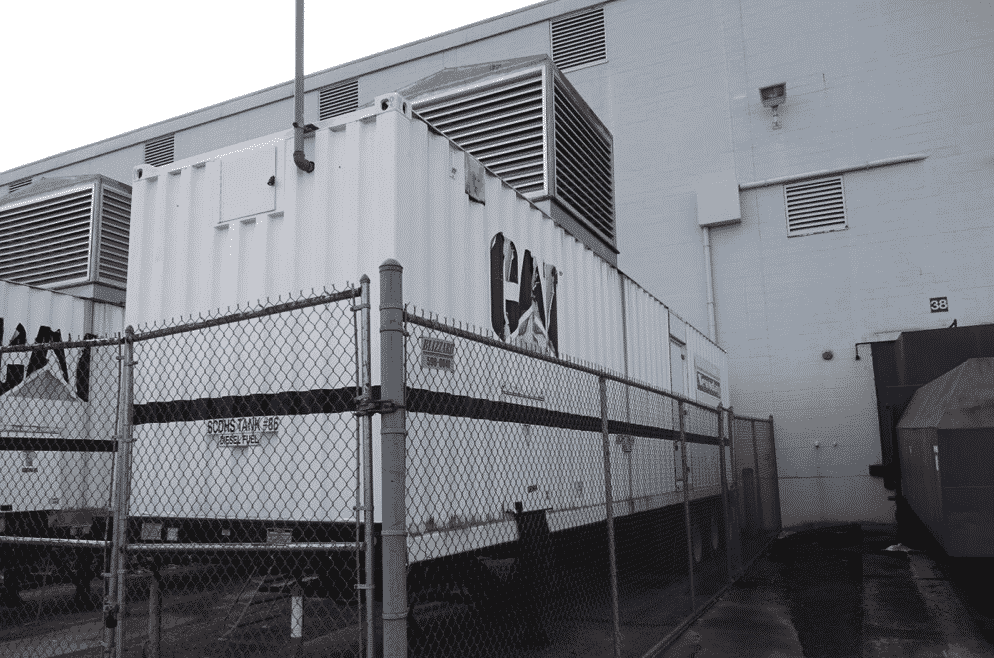
Credit: woodstockpower.com
Standby Vs Prime Generators
Standby generatorsare made to run only during power outages. They turn on automatically and run for a short time. Prime generatorsare built for long, continuous use. They can run for many hours without stopping.
The design differencelies in parts and cooling systems. Standby generators have simpler parts and smaller cooling systems. Prime generators have stronger engines and bigger cooling systems to handle long hours.
Intended usagealso varies. Standby generators are for backup power at homes or small businesses. Prime generators are used in places where power is needed all the time, like construction sites or big factories.
Performance expectationsdiffer too. Standby generators deliver power only when needed, with short runs. Prime generators give steady power for long periods without damage.
Consequences Of Using Standby Generators As Prime
Standby generators are built for short, emergency use. Running them as prime power causes engine wear and tearfaster. These generators are not designed for continuous operation, leading to early breakdowns.
Fuel efficiency issuesarise because standby generators use more fuel over long periods. Their engines do not run as smoothly as prime power units, causing higher fuel costsand more pollution.
Potential overheatingis a risk. Standby generators lack the cooling systems needed for long hours. This can cause the engine to fail or get damaged.
Using a standby generator as prime power often voids the warranty. Manufacturers do not cover damage caused by misuse. Repairs can become expensivewithout warranty support.
Common Risks To Monitor
Electrical overloadshappen when the generator runs more than it should. Standby generators are made for short use. Running as prime power causes extra stress on the electrical parts. This can lead to burned wiresor damaged circuits.
Cooling system failuresoccur because standby generators are not built for long hours. The cooling system may not keep the engine cool. Overheating can cause the generator to stop or even break down.
Oil and lubrication challengesarise as the engine runs longer than designed. Oil breaks down faster and may not protect the engine well. This leads to wear and tearand shortens the generator’s life.
Signs Your Generator Is Overworked
Unusual noises often mean the generator is under stress. Sounds like knocking or rattling show internal wear or damage. These noises should never be ignored.
Frequent shutdowns happen when the generator can’t handle the load. It may stop to protect itself from overheating or failure. This is a clear sign of overwork.
Reduced power output means the generator can’t supply enough electricity. Lights may dim, or devices might not work properly. This shows the generator is struggling.
Maintenance Tips For Extended Use
Regular oil changes keep the generator’s engine healthy. Oil loses its strength after some hours of use. Changing oil often helps avoid engine damage and keeps performance strong.
Check the cooling system to prevent overheating. Make sure coolant levels are good and hoses are not cracked. Clean the radiator to help air flow well.
- Keep the load balanced on the generator to avoid strain.
- Do not run the generator at full load for long periods.
- Use a load bank to test the generator safely.
- Turn off extra devices if the generator feels hot or stressed.

Credit: www.cummins.com
When To Upgrade To A Prime Generator
Assessing power needshelps decide if a prime generator is required. Standby generators are made for short power outages. Prime generators run for long hours and handle heavy loads. Check how much power your home or business uses daily. Look at appliances and machines that run together. Calculate total wattage to understand demand better.
Cost-benefit analysiscompares expenses and advantages of upgrading. Prime generators cost more but offer continuous power. Standby generators cost less and suit occasional use. Consider fuel costs, maintenance, and generator life. A prime generator may save money if power runs often or for long times.
Professional consultationensures the right choice. Experts can evaluate your power needs and suggest the best generator type. They check installation, fuel type, and safety rules. Advice from professionals avoids costly mistakes and improves system performance.

Credit: www.generatorunit.com
Frequently Asked Questions
What Happens If A Standby Generator Runs As Prime?
Running a standby generator as prime causes excessive wear. It is not designed for continuous use, leading to potential engine damage and reduced lifespan.
Can A Standby Generator Handle Continuous Prime Power?
No, standby generators lack the cooling and fuel systems for long-term operation. Continuous use can cause overheating and mechanical failure.
Is Running A Standby Generator As Prime Cost-effective?
Running it as prime increases fuel consumption and maintenance costs. Standby generators are less efficient for continuous power compared to prime-rated models.
How Does Running Standby As Prime Affect Generator Warranty?
Using a standby generator as prime often voids the warranty. Manufacturers specify usage limits, and improper use may lead to denied claims.
Conclusion
Running a standby generator as prime power can cause serious problems. These generators are not built for long, continuous use. Parts may wear out faster and need repairs often. Fuel efficiency usually drops, costing more money. Safety risks may increase without proper setup.
Always check the manufacturer’s guidelines first. Choosing the right generator for your needs is smart. Avoid surprises and keep your power reliable. Think carefully before using a standby generator as prime power.