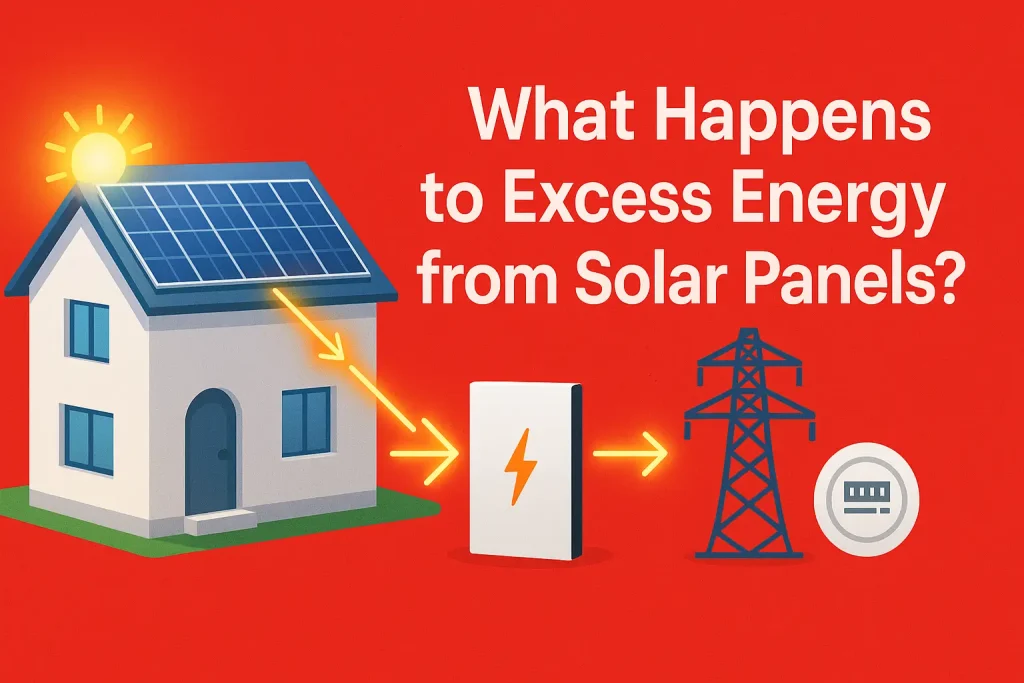
Have you ever wondered what happens to the extra electricity your solar panels produce? When your panels generate more power than your home uses, that surplus energy doesn’t just vanish.
Understanding where this excess electricity goes can help you make smarter choices about your solar system and save more money. You’ll discover the surprising ways your extra solar power is used and how it can benefit you. Keep reading to unlock the full potential of your solar investment!
Solar Panel Energy Basics
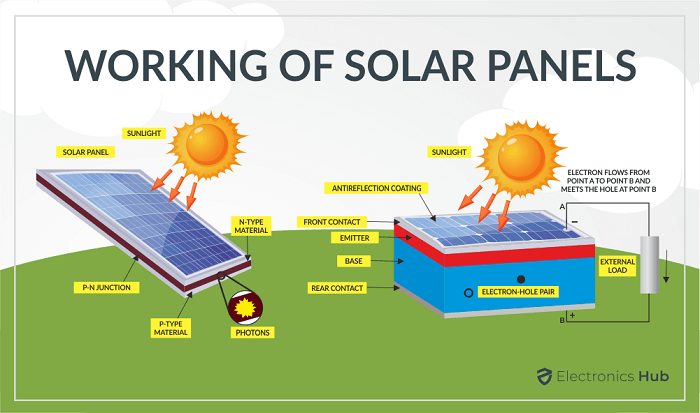
Solar panelsturn sunlight into electricity using special cells. These cells catch sunlight and change it into direct current (DC) electricity. Then, an inverter changes DC into alternating current (AC), which powers homes and devices.
Energy production changes during the day. It is highest around noon when the sun shines strongest. Early morning and late afternoon produce less power. At night, solar panels do not generate electricity because there is no sunlight.
| Time of Day | Energy Production |
|---|---|
| Early Morning | Low |
| Midday (Noon) | High |
| Late Afternoon | Medium |
| Night | None |
Excess Electricity Defined
Excess electricitymeans the extra power your solar panels make. This happens when your panels create more energy than your home needs. The extra energy can be saved, sent back to the grid, or wasted.
Solar output surpasses usageduring sunny times or low home energy use. For example, on a bright afternoon when few appliances run, panels may produce more power than needed.
Several factors influence excess energy:
- Weather conditions like sunshine and cloud cover
- Time of day and season
- How many devices are on in your home
- Size and efficiency of the solar panel system
- Battery storage capacity, if available
Options For Excess Electricity
Grid exportingsends extra electricity back to the power company. This helps reduce your electric bill. Net meteringtracks how much power you send and use. You get credit for the electricity you share.
Battery storagesaves extra power for later use. It keeps energy for night or cloudy days. Batteries can lower your reliance on the grid.
Smart home devicesuse electricity wisely. They can turn off when power is high and turn on when power is low. This saves energy and money.

Credit: www.solarenergyworld.com
Net Metering Explained
Excess electricity from solar panels flows back to the power grid. This surplus energy earns credits, lowering future electricity bills. Net metering ensures you get paid for extra power your system creates.
How Net Metering Works
Net metering lets you send extra solar power to the grid. When solar panels make more electricity than your home uses, the extra goes to the electric company. Your meter runs backward. This saves energy for later use.
At night or on cloudy days, your home can use power from the grid. The electric company charges you only for the net electricity you use. This means you pay less on your bill.
Benefits And Limitations
- Saves moneyby reducing electricity bills.
- Encourages solar energyuse and reduces pollution.
- Helps the electric grid by sharing extra power.
- Some places limit how much power you can send back.
- Net metering rules vary by state or country.
- Electric companies may charge extra fees.
Battery Storage Benefits
Battery storagelets you save extra electricity made by your solar panels. This stored energy can be used later when the sun is not shining. It helps reduce electricity bills by using your own power instead of buying from the grid.
| Type of Battery | Description | Common Use |
|---|---|---|
| Lead-Acid | Affordable and widely used but heavier and shorter lifespan. | Basic home systems |
| Lithium-Ion | More expensive, lighter, and lasts longer with higher efficiency. | Modern home and commercial use |
| Saltwater | Eco-friendly and safer but less common and lower energy density. | Environmentally conscious users |
Maximizing self-consumption means using as much solar energy as possible at home. It lowers the need to send excess electricity back to the grid. Battery storage plays a key role in this. It stores extra power for use at night or cloudy days.
Selling Excess Power
Excess electricity from solar panels often flows back to the grid. Homeowners can earn credits or payments for this extra power. This process helps reduce overall energy costs and supports the grid.
Feed-in Tariffs
Feed-in tariffsare payments for extra electricity sent to the grid. Solar panel owners get paid for every unit of power they export. This helps recover the cost of solar panels. The rate is often fixed for a set period. It encourages more people to use solar energy. Payments come as credits or cash. The system is simple and easy to understand.
Power Purchase Agreements
Power Purchase Agreements (PPAs)let solar owners sell electricity directly to buyers. Buyers can be utility companies or businesses. The price and terms are agreed before signing. PPAs provide steady income for solar owners. They help buyers get clean energy at a fair price. These contracts usually last many years. It is a good way to make money from extra power.
Environmental Impact
Excess solar electricity helps in reducing carbon footprintby lowering reliance on fossil fuels. This clean energy replaces power from coal and gas plants, which release harmful gases.
Solar power supports a cleaner environment. Less pollution means healthier air and water. It also helps fight climate change by cutting down greenhouse gases.
Sending extra power back to the grid enhances grid stability. It provides more electricity during peak times, reducing power outages.
- Balances supply and demandfor electricity
- Reduces stresson power plants
- Supports renewable energyintegration
This process makes the power system more reliable and efficient.
Credit: medium.com
Future Trends
Excess electricity from solar panels can be stored in batteries or sent back to the grid for credits. Some systems use this extra power for nearby homes or businesses. Advances in energy storage and smart grids will shape how surplus solar energy is used in the future.
Advances In Storage Technology
Better batteriesstore more energy for longer times. This helps use solar power at night or on cloudy days. New materials make batteries cheaperand safer. Some homes use small batteries, while bigger ones serve whole neighborhoods. This means less waste of extra electricity.
Smart Grid Integration
Smart grids use technologyto balance electricity supply and demand. They can send excess solar powerto places that need it. This makes the whole system more efficient. People can sell extra power back to the grid easily. It also helps prevent blackouts by managing energy better.

Credit: www.hydro.mb.ca
Frequently Asked Questions
What Happens To Unused Solar Electricity Generated?
Unused solar electricity is sent back to the grid via net metering. This helps offset future energy bills and supports the local power supply.
Can I Store Excess Solar Energy At Home?
Yes, excess solar energy can be stored in home batteries. This stored energy can be used during power outages or at night.
Does Excess Solar Power Earn Money For Homeowners?
Homeowners can earn credits or payments through net metering. This depends on local policies and the utility company’s regulations.
How Does Net Metering Work With Solar Panels?
Net metering tracks electricity sent to and taken from the grid. It allows homeowners to receive credits for surplus solar power.
Conclusion
Solar panels often generate more electricity than needed. This extra energy can be stored in batteries for later use. Sometimes, it goes back to the grid, reducing your electricity bill. Sharing with the grid helps communities use clean energy. Solar power contributes to a greener planet.
The future of energy looks bright with solar technology. Embracing solar energy leads to sustainable living. It’s an investment for our planet and future generations. Understanding solar energy’s benefits encourages more people to choose it. A cleaner world starts with informed choices.
Solar energy empowers us all.