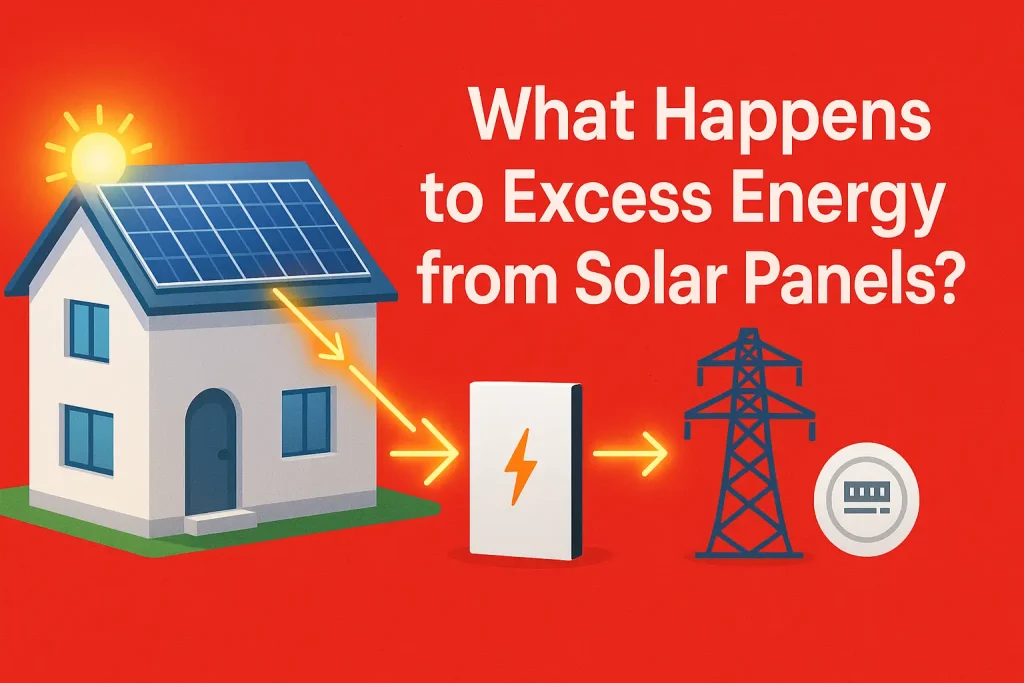
Have you ever wondered what happens to the extra energy your solar panels produce? Imagine basking in the sunshine, knowing your solar panels are working hard, generating electricity.
But what if they generate more than you need? Understanding where that excess power goes can unlock a world of benefits for you, your wallet, and the planet. Curious about how this surplus energy can impact your life? Keep reading to discover the fascinating journey of excess solar power and how it can turn into a hidden treasure for your home.
Uncover the secrets that could maximize your investment and help you make smarter, greener choices. You won’t want to miss this enlightening exploration!

Credit: www.solarenergyworld.com
Solar Power Generation Basics
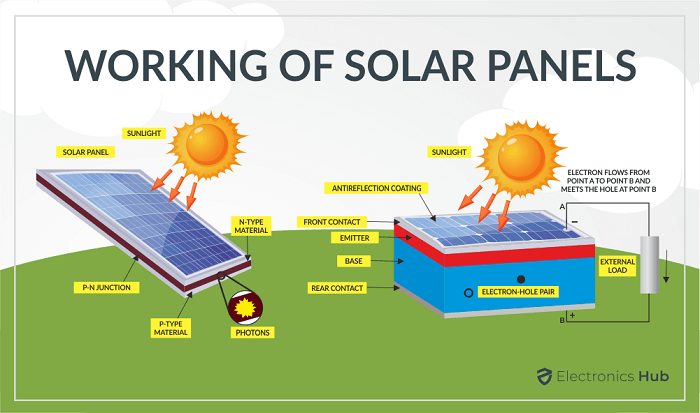
Solar panels use sunlight to make electricity. They have small parts called solar cells. These cells turn sunlight into electric power through a process called the photovoltaic effect.
The amount of power solar panels make depends on many things. The sunlight strengthis very important. More sun means more power. The angleof the panels also matters. Panels facing the sun make more energy.
Other factors include:
- Weather:Cloudy days reduce power output.
- Temperature:Too hot or cold can lower efficiency.
- Shade:Trees or buildings blocking sun reduce power.
- Panel quality:Better panels make more electricity.

Credit: www.pretapower.com
Excess Solar Power Explained
Solar panelssometimes produce more electricity than a home needs. This extra power is called excess solar power. It happens often during sunny days or seasons with longer daylight.
Homes with solar panels use what they need first. The extra power can be:
- Sent back to the electric grid for others to use.
- Stored in batteries for later use.
- Lost if there is no way to store or send it.
Daily and seasonal changesaffect how much power solar panels make. On bright days, panels produce more electricity. In winter, they make less because days are shorter.
| Time | Solar Power Production |
|---|---|
| Morning | Low, panels start working as sun rises |
| Midday | High, sun is strongest |
| Evening | Low, sun sets and panels slow down |
| Summer | More power, longer days |
| Winter | Less power, shorter days |
Handling Surplus Energy
Grid-tied systemssend extra solar power back to the utility grid. This helps reduce electricity bills through a system called net metering. Net metering credits homeowners for the surplus power they supply. This means the electric meter can run backward, saving money during low sun times.
Battery storage stores excess power for later use. Batteries keep energy to use at night or during outages. They provide energy independenceand reduce reliance on the grid. Battery size and cost vary by needs.
Using excess power onsite means running more home devices during the day. Appliances like water heaters or pool pumps can use extra solar power. This reduces energy waste and lowers utility costs. Smart home systems can automate this process.
Benefits Of Managing Excess Power
Reducing electricity billsis a key benefit of managing excess solar power. Extra energy can be sent back to the grid. This often earns credits or money. These credits lower monthly electricity costs. Using stored power during peak times cuts bills further.
Increasing energy independencemeans relying less on outside power sources. Solar panels with batteries store extra energy. This backup power helps during outages. It also reduces dependence on utility companies. Homeowners gain more control over their energy use.
Environmental impactimproves by managing excess solar power. Sending extra power to the grid lowers fossil fuel use. This reduces harmful emissions and pollution. Using renewable energy helps protect the planet. It supports a cleaner, greener future for all.
Challenges And Limitations
The electric gridcan only handle so much power. Excess solar energy may overload it. This causes stability problemsand blackouts.
Storing extra power needs expensive batteries. These batteries lose energy over time. Their efficiencyis not always high. This makes storage costly and less practical.
| Challenge | Description | Impact |
|---|---|---|
| Grid Capacity Issues | Limited ability to accept extra power. | Risk of blackouts and instability. |
| Storage Costs and Efficiency | High costs and energy loss in batteries. | Limits use of stored solar energy. |
| Regulatory and Policy Barriers | Rules may prevent easy power selling. | Reduces financial benefits for owners. |
Some laws stop easy selling of extra solar power. This can limit the benefits for solar owners. Changing these rules takes time and effort.
Future Trends In Solar Energy Storage
Battery technologykeeps improving. New batteries store more energy and last longer. This means solar power can be saved for cloudy days or nighttime. Cheaper batteries help more people use solar energy at home.
Smart gridshelp balance energy use. They send extra solar power to places that need it. This system can lower electricity bills and reduce waste. It makes the whole power system smarter and more flexible.
Community solarlets neighbors share solar power and storage. People who cannot install panels can still benefit. Shared batteries store excess power for the whole community. This helps many save money and use clean energy together.
Credit: medium.com
Frequently Asked Questions
What Happens To Unused Solar Power Generated At Home?
Unused solar power often flows back to the grid through net metering. This process credits homeowners for excess energy, reducing future electricity bills and promoting energy sharing.
Can Excess Solar Energy Be Stored For Later Use?
Yes, excess solar energy can be stored in batteries. Battery storage allows homeowners to use solar power during nighttime or outages, increasing energy independence and savings.
How Does Net Metering Work With Solar Panels?
Net metering credits solar owners for surplus electricity sent to the grid. It offsets energy costs by balancing power consumed and generated, benefiting both users and utilities.
Is Excess Solar Power Sold Back To Utility Companies?
In many regions, yes. Utilities buy surplus solar energy at set rates, providing income or credits to solar owners, incentivizing renewable energy adoption.
Conclusion
Excess power from solar panels does not go to waste. It often flows back to the grid or gets stored in batteries. This helps save money and supports clean energy use. Understanding how excess power works can guide your solar choices.
Managing extra energy well makes solar power more efficient. Solar panels provide more than just electricity—they offer smart energy solutions. Think about your options to get the best from your system. Solar power means energy savings and a greener future.