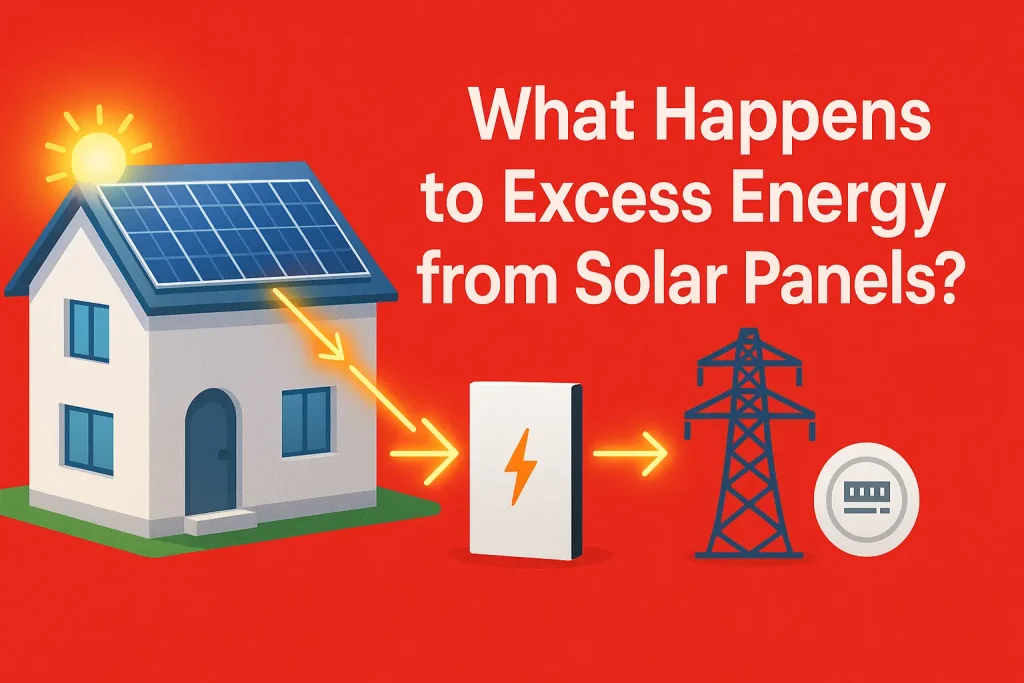
Imagine harnessing the power of the sun to fuel your off-grid lifestyle, basking in the freedom of energy independence. But what happens when your solar panels produce more energy than you need?
This is where the mystery of excess solar power begins to unfold. You might wonder if you’re missing out on potential savings or if there’s a way to put that extra energy to good use. Understanding the journey of surplus solar power can unlock new opportunities for efficiency and sustainability in your off-grid setup.
Dive into this article to discover how you can optimize every ray of sunshine for your benefit.
Credit: www.paradisesolarenergy.com
Solar Power Basics
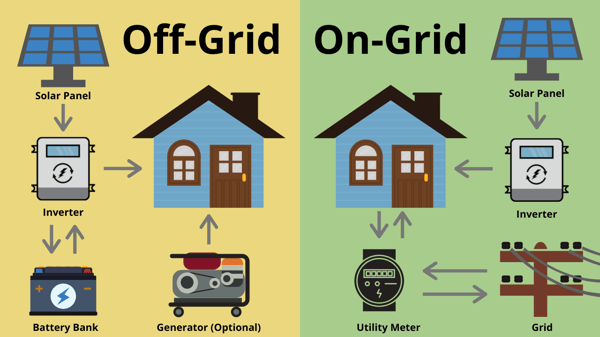
Solar panelschange sunlight into electricity. They use special materials that create power when light hits them. This power is in the form of direct current (DC).
In an off-grid system, this power is stored in batteries. These batteries keep energy for use at night or on cloudy days. A device called an inverter changes DC power to alternating current (AC). AC power runs household devices.
- Sunlight hits the solar panel surface.
- Panels create DC electricity.
- Electricity flows to a battery for storage.
- An inverter changes DC to usable AC power.
- Power runs lights, appliances, and other devices.
Credit: www.solarsquare.in
Handling Excess Power
Excess solar power generated off-grid needs smart handling to avoid waste. Battery storageis a popular solution. It saves extra energy for use at night or cloudy days. Batteries come in many types, like lead-acid or lithium-ion.
Using power in real time means using energy as it is made. It works well with devices like water pumps or lights. This lowers battery use and saves money. Balancing between storage and real-time use keeps the system efficient and reliable.
Energy Storage Options
Battery capacitytells how much energy a battery can hold. Bigger capacity means it stores more power for use later. Lifespanshows how long a battery works before it needs replacing. It depends on how many times it charges and discharges.
Different batteries have different strengths:
- Lead-acid batteriesare common and cost less. They have a shorter lifespan and lower capacity.
- Lithium-ion batterieslast longer and hold more energy. They cost more but are lighter and better for off-grid use.
- Nickel-based batteriesare durable but less popular for home solar systems.
| Battery Type | Capacity Range (kWh) | Lifespan (Years) | Cost |
|---|---|---|---|
| Lead-acid | 1 – 10 | 3 – 5 | Low |
| Lithium-ion | 2 – 15 | 10 – 15 | High |
| Nickel-based | 1 – 5 | 5 – 8 | Medium |
Power Management Techniques
Load shiftinghelps use solar power when energy demand is low. Move tasks like washing or charging to daytimewhen solar power is high. This reduces wasted energy and saves batteries.
Using energy at the right time can balance supply and demand. It prevents the need for extra batteries or generators. Simple timers can help run appliances during sunlight.
- Run dishwashers and laundry machines in daylight
- Charge devices like phones and laptops midday
- Store heat in water tanks during sunny hours
Energy efficiency means using less power for the same task. Use LED lights and energy-saving appliances. Keep devices off when not in use. These small steps stretch your solar power longer.
Backup Systems
Excess solar power generated off-grid stores in backup batteries for later use. If batteries are full, the extra energy is often wasted or diverted to non-essential devices. Backup systems ensure power availability during cloudy days or night.
Generators As Backup
Generatorsprovide power when solar energy is low or absent. They are reliable during long cloudy daysor at night. Generators use fuel like gasoline or diesel. They start automatically or manually. Though generators produce noise and emissions, they ensure continuous power. They are a common backup for off-grid solar systems.
Hybrid Systems Integration
Hybrid systems combine solar power with other energy sources. They use batteries and generators together. This setup stores excess solar energy for later use. It also switches to generators if batteries run low. Hybrid systems offer stable powerand reduce fuel use. They are ideal for off-grid homes needing constant electricity.
Environmental Impact
Excess solar power generated off-grid can lead to waste energyif not stored or used efficiently. Storing this energy in batteries helps reduce energy lossand makes power available during nighttime or cloudy days. Using excess energy wisely prevents unnecessary strain on the environment.
Solar power systems support sustainabilityby lowering reliance on fossil fuels. This reduces carbon emissionsand air pollution. Off-grid solar setups encourage energy independenceand help protect natural resources.
- Stored energy cuts down waste.
- Less pollution with solar energy.
- Supports long-term environmental health.
Future Trends
Battery technologykeeps getting better and cheaper. New types of batteries store more power for longer times. This helps off-grid solar users keep energy for night or cloudy days. Batteries also get smaller and lighter, making them easy to install anywhere.
Smart energy systems can control how power is used and saved. They can decide when to use battery power or run appliances directly. These systems help save money and reduce waste. They also send alerts if energy is low or if there is a problem.
| Aspect | Benefit |
|---|---|
| Advanced Batteries | Store more energy; last longer; smaller size |
| Smart Energy Management | Optimizes energy use; alerts users; reduces waste |
Credit: palmetto.com
Frequently Asked Questions
What Happens To Excess Solar Power In Off-grid Systems?
Excess solar power in off-grid systems is stored in batteries. If batteries are full, the extra energy is lost or dissipated. Some systems use dump loads to prevent damage by using surplus power for heating or other loads.
Can Off-grid Solar Systems Sell Excess Power?
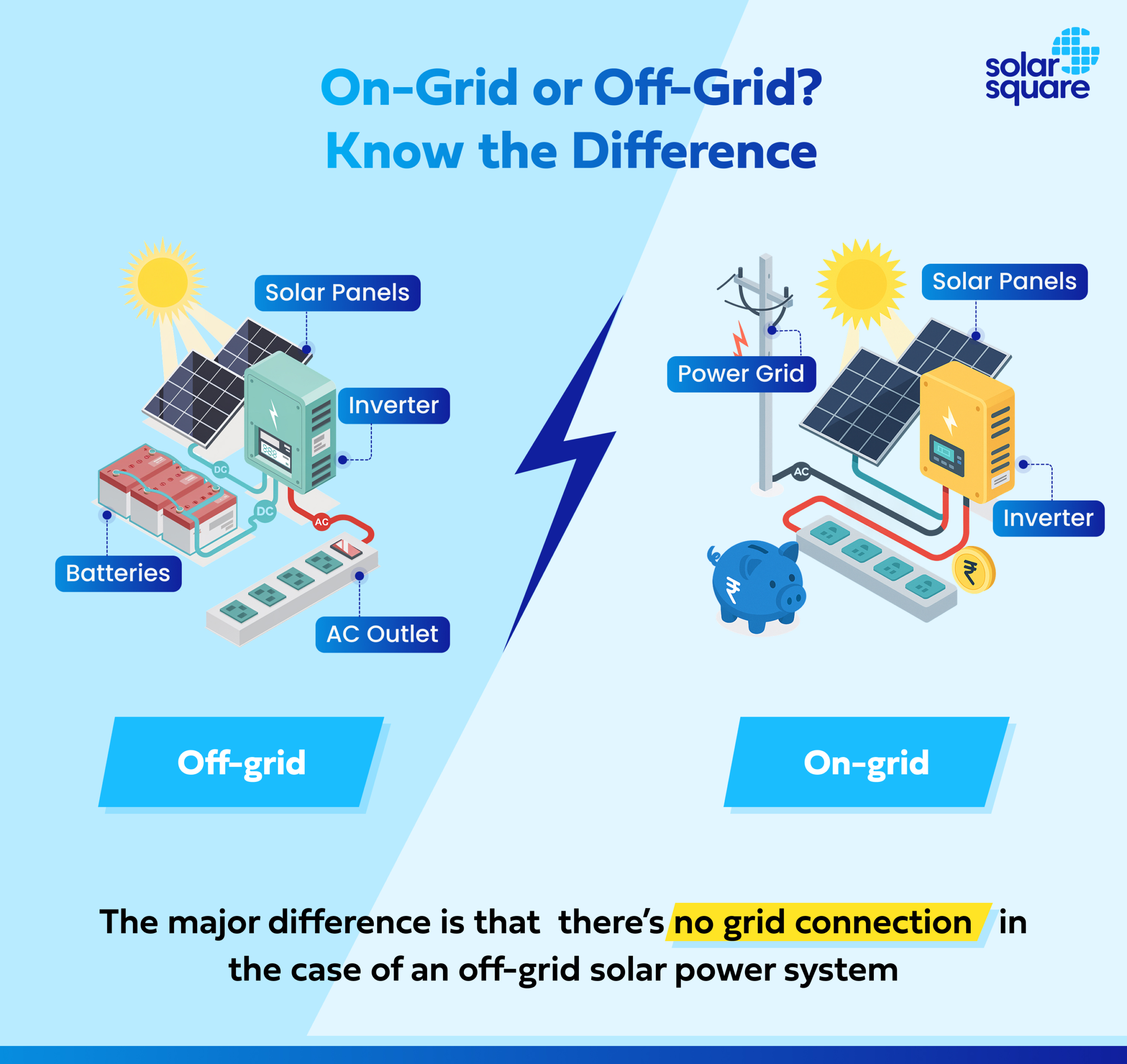
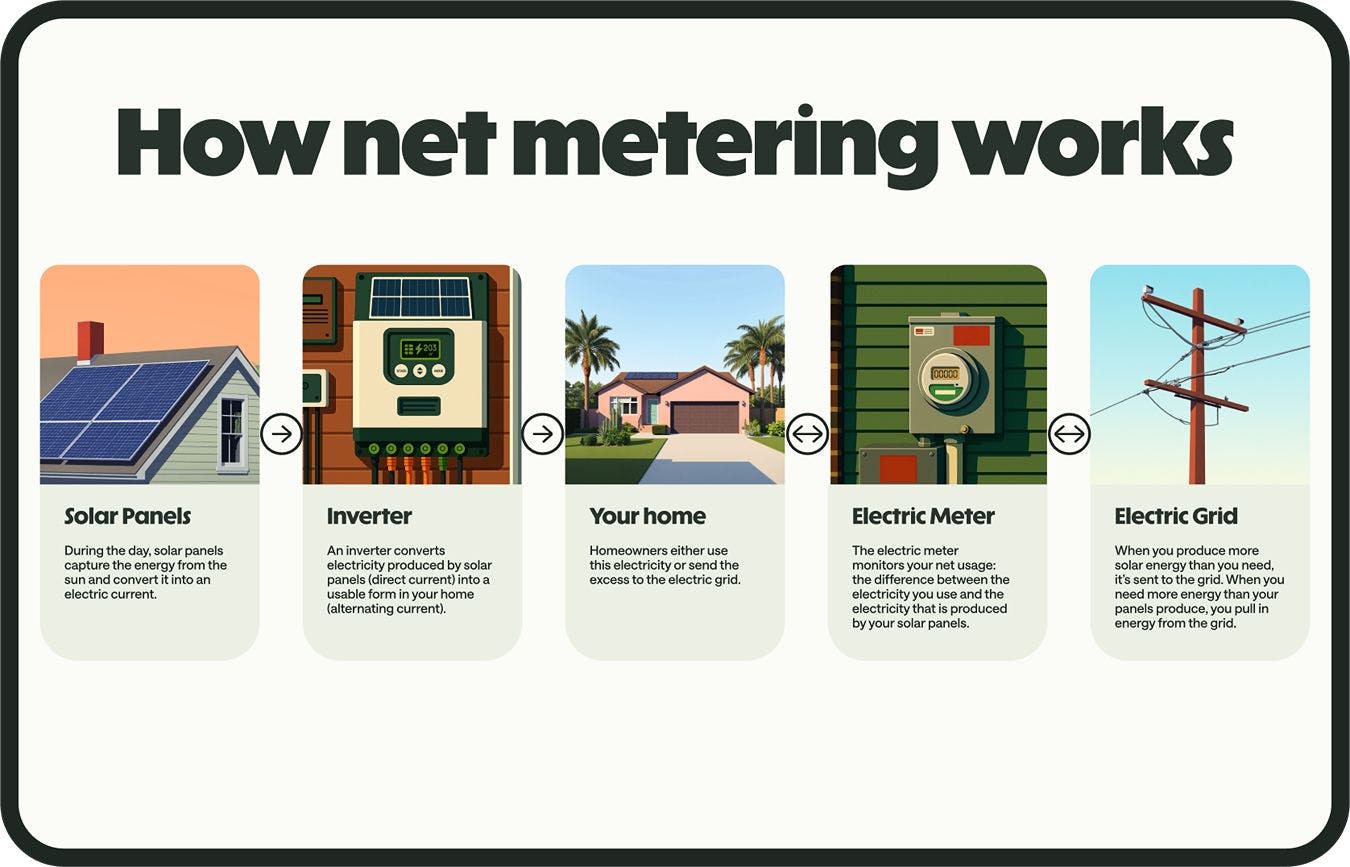
No, off-grid solar systems cannot sell excess power. They operate independently from the grid. Surplus energy cannot be exported or credited, unlike grid-tied systems.
How Is Excess Solar Energy Managed Off-grid?
Excess energy is managed by battery storage or diversion loads. When batteries reach capacity, diversion loads use extra power to protect the system. This ensures the solar panels keep operating safely.
Does Excess Solar Power Damage Off-grid Equipment?
Excess power can cause damage if not managed properly. Proper battery management and diversion loads prevent overcharging and overheating. Well-designed systems safely handle surplus solar energy.
Conclusion
Excess solar power off-grid can be stored or used in many ways. Batteries keep extra energy for later use. Some systems send power to other devices or homes. Sometimes, unused energy simply goes to waste. Understanding these options helps you manage your solar system better.
It saves money and supports a clean environment. Choosing the right setup depends on your needs and budget. Keep learning to make the most of your solar power. Off-grid solar offers freedom and control over your energy.