
Have you ever wondered what happens to the extra solar power your off-grid system produces? When your solar panels generate more energy than you use, it’s not just wasted—there’s a smart way to handle that surplus.
Understanding this can save you money, boost your energy independence, and even protect your equipment. Keep reading to discover how your excess solar power is managed and how you can make the most of every ray of sunshine.
Credit: www.solarsquare.in
Solar Power Basics
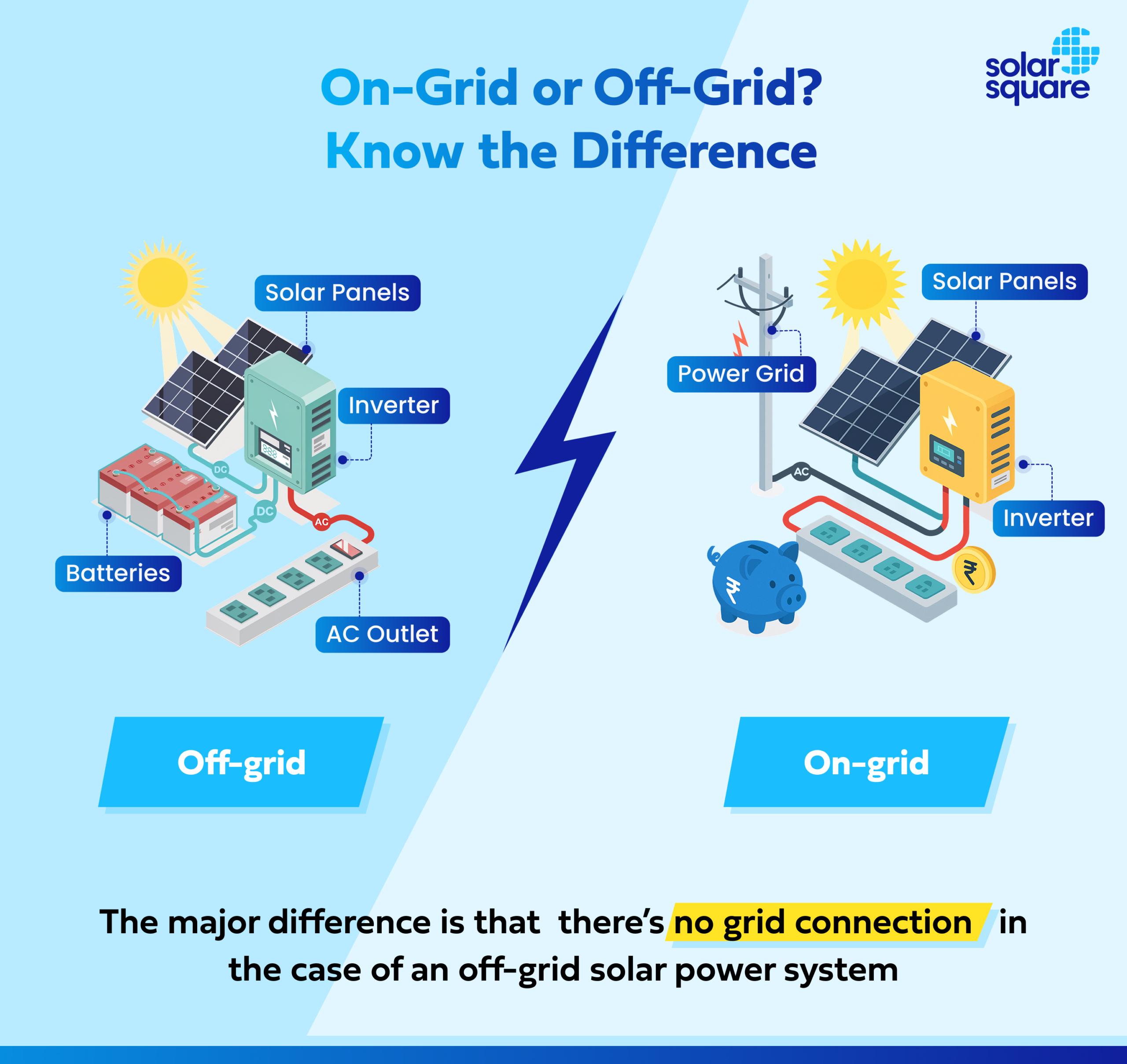
Solar panels change sunlight into electricity. They use tiny parts called cells. These cells catch sunlight and turn it into power for homes. The power is direct current (DC). It needs change to alternating current (AC) for regular use. This change happens in a device called an inverter.
Off-grid solar systems work alone without power lines. They store extra power in batteries. These batteries keep electricity for night or cloudy days. If too much power is made, it stays in the battery. If batteries are full, some systems stop making power to save energy and parts.
Excess Solar Power Generation
Excess solar poweroccurs when your solar panels produce more energy than you use. Off-grid systems do not send extra power to the grid because they are not connected to it.
This extra energy can be stored in batteriesfor later use. If batteries are full, the excess power is usually wasted or may cause system shutdown to protect equipment.
Several factors affect excess powergeneration:
- Sunlight intensity:More sun means more power.
- Energy usage:Lower usage leads to more excess.
- Battery capacity:Bigger batteries store more extra power.
- System size:Larger solar setups produce more energy.
- Weather conditions:Cloudy days reduce power production.
Energy Storage Options
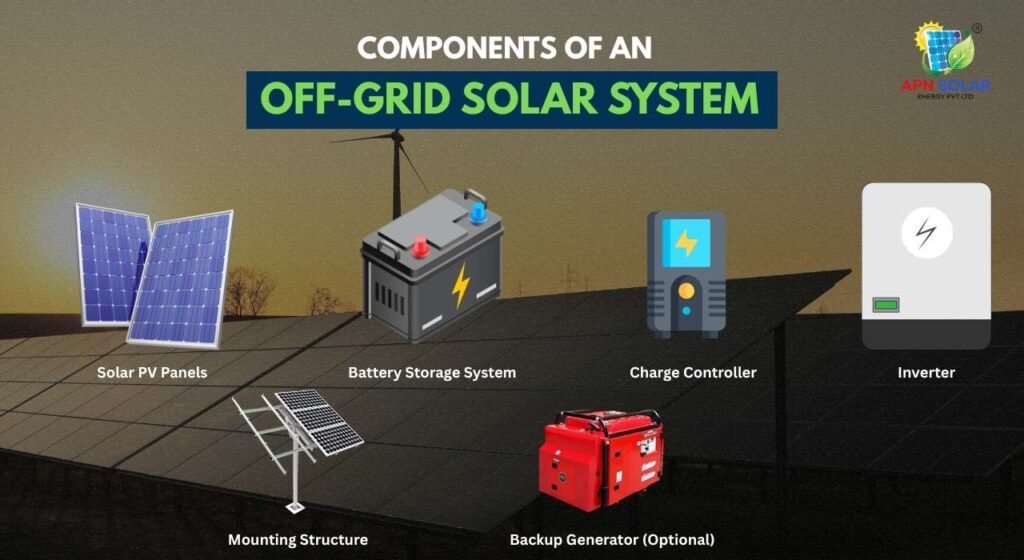
Battery systemsstore excess solar power for later use. They help keep energy available at night or on cloudy days. Most off-grid homes use batteries to save power. The type of battery affects how long it lasts and how much energy it stores.
Choosing the right batterydepends on your energy needs and budget. Lead-acid batteries are common and cost less but weigh more. Lithium-ion batteries last longer and charge faster but cost more. Consider size, weight, and how often you need to replace it.
Battery maintenancekeeps the system working well. Check batteries regularly for damage or leaks. Keep them clean and dry. Avoid deep discharges to help batteries last longer. Proper care saves money and prevents power loss.
Credit: apnsolar.com
Using Excess Power Onsite
Excess solar power can be used to run extra appliancesaround your home. This helps to reduce wasteand make the most of your energy.
- Run water pumps or garden lights
- Power small kitchen gadgets
- Charge batteries for later use
- Operate fans or heaters during the day
Energy management is key to using extra solar power well. Smart systems can detect power levelsand shift energyto where it’s needed most.
Simple devices like timers and sensors help control appliance use. This keeps your power use balancedand efficient.
Power Wastage And Safety
Excess solar power produced off grid without storage cannot be saved. This extra energy is often wastedbecause there is no battery or grid to store it. The solar panels keep producing power, but it has nowhere to go.
Without storage, this unused power can cause risks of overloading. The system might get too much electricity, which can damage the equipment. Overload can lead to short circuitsor fire hazards.
- The solar system may stop working to protect itself.
- Some devices might fail due to too much power.
- Safety features try to prevent damage but may not always work.
Alternative Uses For Excess Power
Excess solar power can be used for water pumping, helping with irrigation or moving water in remote areas. This saves fuel and reduces labor.
Solar energy also heats water for homes or farms. This is a simple way to use extra power efficiently.
Charging electric vehicles with spare solar energy is smart. It lowers fuel costs and pollution while using clean energy.
- Water pumping:Runs pumps for irrigation or livestock water.
- Water heating:Warms water for household or agricultural use.
- Electric vehicle charging:Powers electric cars or bikes with solar energy.
System Design To Handle Surplus
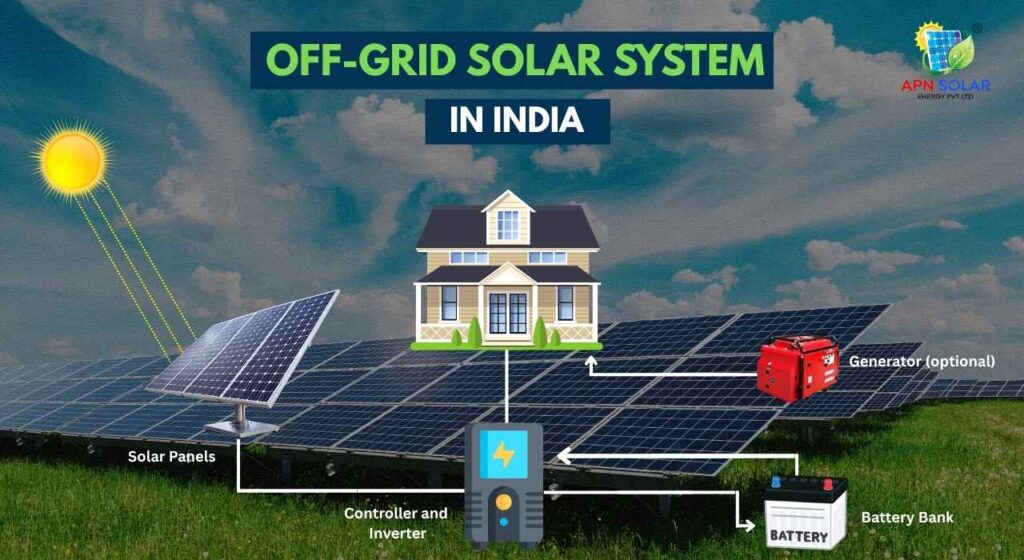
Solar panels and batteries must be sized carefully. Too large panels produce extra power that goes unused. Too small batteries fill up quickly and waste energy. The goal is to match panel size with battery capacity. This helps store as much solar power as possible for night use.
Backup generators provide power when solar and batteries run low. They act as a safety net during cloudy days or high energy use. Generators keep the system running smoothly and prevent power loss.
| Component | Purpose | Key Point |
|---|---|---|
| Solar Panels | Generate electricity from sunlight | Size to match daily energy needs |
| Batteries | Store excess solar power | Capacity should hold surplus energy |
| Backup Generators | Provide power when solar is insufficient | Used during low sunlight or high demand |
Credit: apnsolar.com
Frequently Asked Questions
What Happens To Excess Solar Power Off Grid?
Excess solar power off grid is usually stored in batteries. This stored energy powers your home when sunlight is low. Without batteries, surplus energy is wasted as it cannot be fed back to the grid. Proper storage ensures efficient use of all generated solar power.
Can Off-grid Solar Systems Sell Excess Power?
Typically, off-grid solar systems cannot sell excess power. They operate independently without grid connection. Excess energy is stored in batteries for later use. Selling power requires grid-tied systems with net metering agreements, which off-grid setups lack.
How Is Excess Solar Power Stored Off Grid?
Excess solar power is stored in battery banks. These batteries save energy for nighttime or cloudy days. Common battery types include lithium-ion and lead-acid. Proper storage extends solar system efficiency and ensures a reliable energy supply off grid.
Does Excess Solar Power Waste Energy Off Grid?
Yes, without storage, excess solar power is wasted off grid. Surplus energy cannot be redirected or sold. Investing in quality batteries prevents energy loss. Efficient storage maximizes the benefits of your off-grid solar system.
Conclusion
Excess solar power offers many benefits for off-grid systems. Storing extra energy ensures availability during low sunlight. Batteries and other storage solutions help in managing this power effectively. Sharing surplus energy with neighbors strengthens community bonds. Selling excess power can also provide extra income.
Efficiently using excess solar power reduces waste. It contributes to sustainable living and energy independence. Understanding these aspects helps in optimizing solar usage. Embrace solar energy to enhance your off-grid lifestyle. Enjoy the benefits of clean, renewable power every day.