
Have you ever wondered what happens to the extra solar power your panels produce but you don’t use right away? You might think it just goes to waste, but that’s not the case.
Understanding where your excess solar energy goes can save you money and help you make smarter choices for your home’s energy use. Keep reading, and you’ll discover how your extra power can benefit you and the grid, turning your solar investment into a real advantage.
Solar Power Basics
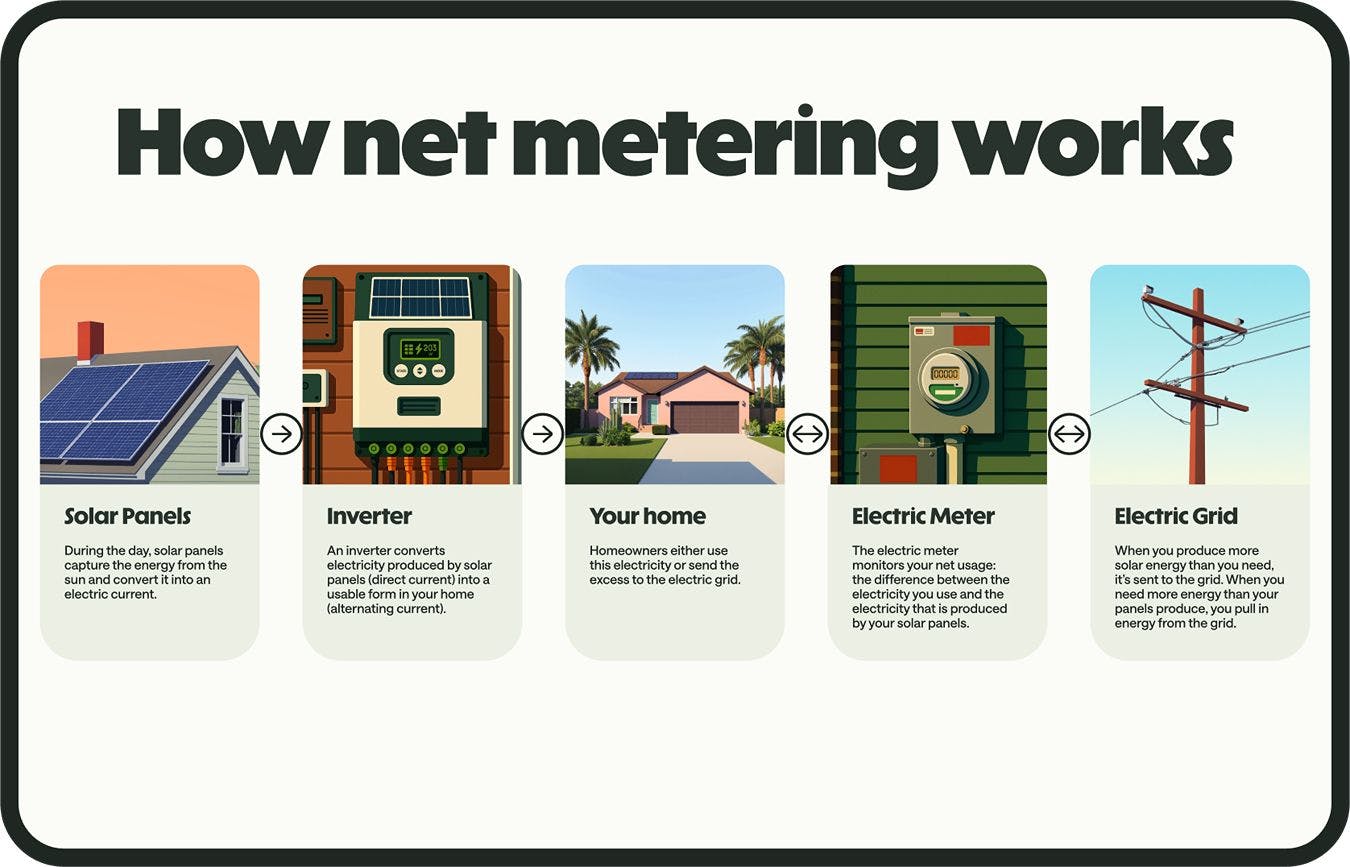
Solar panels change sunlight into electricity using special cells called photovoltaic cells. These cells absorb sunlight and create direct current (DC) electricity. An inverter then changes DC electricity into alternating current (AC), which homes use. This process makes clean energy from the sun.
When solar panels connect to the grid, excess electricity can flow back to it. The grid acts like a battery, storing extra energy for later use. This helps balance power supply and demand.
| Solar System Type | Grid Connection | Excess Power Handling |
|---|---|---|
| Grid-Tied | Yes | Sent to grid, credited on bill |
| Off-Grid | No | Stored in batteries |
| Hybrid | Yes | Stored or sent to grid |
Credit: palmetto.com
Excess Solar Power Generation
Excess solar powerhappens when solar panels produce more energy than needed. This extra energy does not go to waste. It can be sent back to the power grid. This process helps reduce electricity bills. It also supports the community’s power supply.
Several factors influencehow much excess power is generated:
- Sunlight hours and weather conditions
- Size and efficiency of solar panels
- Time of energy use versus production
- Home energy consumption patterns
- Local grid policies and net metering rules
Flow Of Excess Power To The Grid
Excess solar power flows back into the electric grid. This helps reduce electricity bills. Net meteringtracks this energy exchange. It measures how much power you send and use from the grid.
Smart metersplay a key role. They record both energy consumption and energy sent to the grid. This data helps calculate your bill accurately. You get credits for extra power you generate.
| Component | Function |
|---|---|
| Solar Panels | Generate electricity from sunlight |
| Smart Meter | Tracks energy sent and used |
| Electric Grid | Receives excess power and supplies when needed |
| Utility Company | Credits customer for extra energy supplied |

Credit: www.carolinacountry.com
Compensation For Excess Power
Feed-in tariffsallow homeowners to sell extra solar power to the grid. This helps to earn money or credits for the power sent out. The rates paid can vary by location and utility company.
Credit systemswork by tracking how much power you send back. These credits reduce your electric bill later. When your solar panels produce less power, the credits help cover the cost.
- Credits are added to your account for extra power.
- They can lower or even cancel your monthly bill.
- Unused credits may roll over to the next month.
Grid Impact And Management
Excess solar power can cause grid instability. Too much power may overload the grid. This can lead to voltage fluctuationsand power outages. Managing this surplus energy is key to keeping the grid stable.
Energy storage solutions help balance supply and demand. Batteries store extra energy for later use. This reduces stress on the grid during peak times. Other options include pumped hydro and thermal storage. These methods help smooth out energy supply.
Credit: econ.unm.edu
Future Trends In Solar Power Use
Excess solar power sent to the grid can be stored, sold, or shared with other users. Smart grids help balance supply and demand efficiently. This trend supports cleaner energy and lowers electricity costs for everyone.
Advanced Battery Technologies
Advanced batteries store extra solar energy for later use. They help homes use power at night or during cloudy days. These batteries last longer and charge faster than before. This means less wasted energy and more savings. New types like lithium-ion and solid-state batteries are becoming popular. They are safer and more efficient. This technology helps people rely less on the electric grid. It also supports clean energy growth worldwide.
Community Solar Projects
Community solar projects let many people share solar power from one place. This is good for those without space for solar panels. People buy or rent part of a big solar farm. They get credit for the power it produces. This lowers electricity bills and helps the environment. It also creates local jobs and builds stronger communities. More cities and towns are starting these projects to spread solar energy benefits.
Frequently Asked Questions
What Happens To Excess Solar Power On The Grid?
Excess solar power is sent back to the grid through net metering. It reduces your electricity bill by crediting surplus energy generated. The utility company may pay for extra power or store it for later use, promoting energy efficiency and sustainability.
How Does Net Metering Work With Solar Power?
Net metering tracks the electricity your solar panels send to the grid. When your system produces more power than you use, the extra energy is credited. This credit offsets your electricity consumption when solar production is low, lowering your overall energy costs.
Can Excess Solar Energy Be Stored For Later Use?
Yes, excess solar energy can be stored using home battery systems. Batteries save surplus power generated during the day for nighttime or cloudy days. This storage increases energy independence and maximizes the benefits of your solar power system.
Does The Utility Company Buy Extra Solar Power?
In many regions, utility companies buy extra solar power from customers. This process is called feed-in tariff or net metering credit. It allows solar owners to earn money or credits, making solar investments more cost-effective and encouraging renewable energy growth.
Conclusion
Excess solar power benefits the grid in multiple ways. It supports energy efficiency. It can reduce electricity costs for consumers. This surplus can be stored for future use. It also helps stabilize the grid during peak times. Communities can earn credits through net metering.
Sharing clean energy boosts environmental health. Even small contributions make a big impact. This process encourages more solar adoption. It brings us closer to a sustainable future. Embracing solar power benefits everyone. The planet, our wallets, and society alike. Solar energy holds immense potential for positive change.