Have you ever wondered what happens to the extra energy your solar panels generate on a sunny day? If you’re investing in solar power, you might be curious about the fate of that surplus electricity.
It’s not just about harnessing the sun’s energy; it’s about making the most of it. Understanding this process can help you maximize your investment and even contribute to a more sustainable future. You’ll discover where that excess power goes, how it can benefit you, and why it’s a crucial part of the solar energy ecosystem.
Get ready to unlock the hidden potential of your solar panels and learn how this untapped resource could work in your favor. Don’t miss out on these insights that could make all the difference for your energy efficiency and savings.
Credit: www.hydro.mb.ca
Solar Power Surplus
Excess solar powerhappens when solar panels create more energy than needed. This often occurs due to seasonal and daily variations. During sunny days, solar panels produce more energy. In summer, longer daylight hours mean more power. In winter, shorter days reduce power.
Energy use also changes through the day. Morning and evening may need less power. Midday often has the highest solar energy but lower energy use. This mismatch causes solar power surplus.
- Sunny weather increases solar power output.
- Long daylight hours in summer boost energy production.
- Energy demand is low during midday in many homes.
- Cloudy or short days reduce solar power generation.
Grid Interaction
Net meteringallows homeowners to send extra solar power back to the grid. This extra power is credited to their electric bill. It helps save money and makes solar energy more valuable. The meter runs backward when solar panels produce more than the home uses.
Feed-in tariffspay solar owners for the power they add to the grid. These payments can be fixed or change over time. They encourage more solar energy by giving a fair price for the electricity produced.
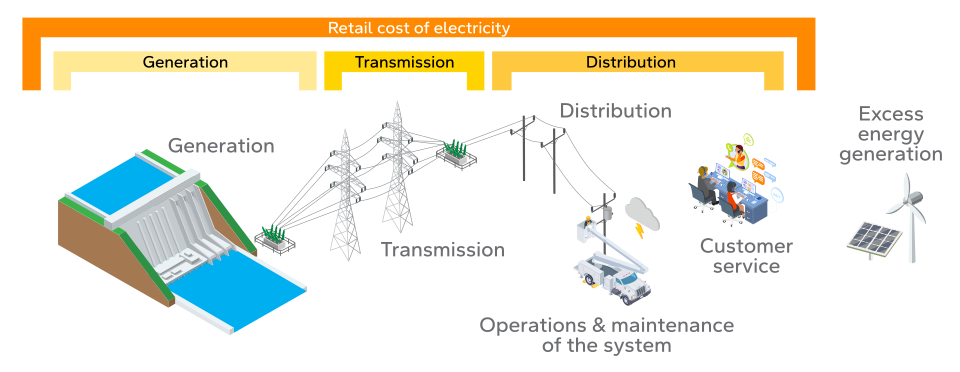
The utility gridmust handle changes in power flow. Too much solar power can cause voltage issues or make the grid unstable. Utilities use smart systems to balance energy and keep the grid safe. Managing solar power keeps the electric system strong and reliable.
Energy Storage Options
Battery systemsstore excess solar power as electricity. They allow use during night or cloudy days. Common types include lithium-ion and lead-acid batteries. Batteries are easy to install and use at homes.
Thermal storagesaves energy as heat. Excess solar power heats water or other materials. The stored heat can warm buildings or water later. This method suits places with heating needs.
| Emerging Technologies | Description | Benefits |
|---|---|---|
| Hydrogen Storage | Uses solar power to split water into hydrogen and oxygen. | Long-term storage; clean fuel source. |
| Flywheel Energy Storage | Stores energy as spinning motion in a rotor. | Quick energy release; durable. |
| Compressed Air Energy Storage | Compresses air using solar energy, stores in underground spaces. | Large capacity; low environmental impact. |

Credit: www.reddit.com
Economic Benefits
Excess solar power helps in saving on electricity bills. Extra energy sent back to the grid lowers future bills. This means less money spent on power from the utility company.
Earning through energy creditsis possible with many solar programs. These credits can reduce costs by allowing you to sell extra power. They work like a savings account for energy.
| Incentive Type | Description | Benefit |
|---|---|---|
| Tax Credits | Money returned from taxes for installing solar panels | Reduces the upfront cost |
| Rebates | Cash back from local or state programs | Lower installation expenses |
| Net Metering | Payback for extra energy sent to the grid | Continual savings on bills |
Environmental Impact
Excess solar powerhelps lower the carbon footprint by cutting the need for fossil fuels. It means less pollution and cleaner air. Using more solar energy reduces harmful gases that cause climate change.
Solar power that is not used right away can be sent to the grid. This supports renewable energy integrationby balancing supply and demand. It makes the power system more stable and reliable.
- Stored solar energy can be used during cloudy days or at night.
- It helps to reduce reliance on coal and gas power plants.
- More solar power in the grid means less greenhouse gas emissions.
- Supports a cleaner and healthier environment for future generations.
Future Trends
Smart grid innovationshelp manage excess solar power better. These grids use technology to balance energy supply and demand. They allow homes and businesses to share extra power easily. This improves energy use and reduces waste.
Peer-to-peer energy tradinglets people sell their extra solar power directly. Neighbors can buy energy from each other at fair prices. This system creates a local market for clean energy. It helps people save money and promotes sharing.
Community solar projectsinvolve groups of people investing in solar panels together. They share the power generated and reduce their electricity bills. This makes solar energy more affordable and available to more people.
Credit: medium.com
Frequently Asked Questions
What Happens To Unused Solar Energy At Home?
Unused solar energy is stored in batteries or sent back to the grid. This process helps maximize energy efficiency and can reduce electricity bills.
Can Excess Solar Power Be Sold To The Grid?
Yes, many regions allow selling surplus solar power to the grid through net metering. This can earn credits or payments, lowering energy costs.
How Does Net Metering Work With Solar Power?
Net metering credits homeowners for excess solar energy sent to the grid. This offsets future electricity usage, making solar systems more cost-effective.
What If My Solar Battery Storage Is Full?
When batteries are full, extra solar power is typically exported to the grid. This prevents energy waste and can generate utility credits.
Conclusion
Excess solar power does not go to waste. It can store energy for later use. Sometimes, it flows back to the electric grid. This helps reduce electricity bills for many people. Solar systems work best with smart management. Understanding how excess power works saves money and energy.
It also supports cleaner and greener power sources. Using solar energy wisely benefits everyone. Think of it as saving sunshine for a rainy day. This way, solar power stays useful and efficient year-round.