
Have you ever wondered where the clean energy powering your home or phone comes from? A solar generation facility might be the answer.
These facilities turn sunlight into electricity, helping reduce bills and protect the planet. But what exactly is a solar generation facility, and how does it work? By understanding this, you’ll see how solar power could impact your life and the future of energy.
Keep reading to discover the simple facts behind this powerful technology and why it matters to you.
Solar Generation Facility Basics
A solar generation facilityis a place where sunlight turns into electricity. It uses special parts to catch sunlight and change it into power for homes and businesses.
Core Components
- Solar panels:Capture sunlight and make electricity.
- Inverters:Change solar power from DC to AC, which homes use.
- Mounting systems:Hold panels in place, usually on rooftops or land.
- Electrical wiring:Connects all parts to send electricity safely.
- Monitoring system:Tracks how well the facility works.
How It Works
Sunlight hits the solar panels. Panels make direct current (DC) electricity.
The inverter changes DC to alternating current (AC). AC power travels through wires.
This power goes to homes, businesses, or the electric grid. The facility works best in sunny places.
Credit: www.researchgate.net
Types Of Solar Facilities
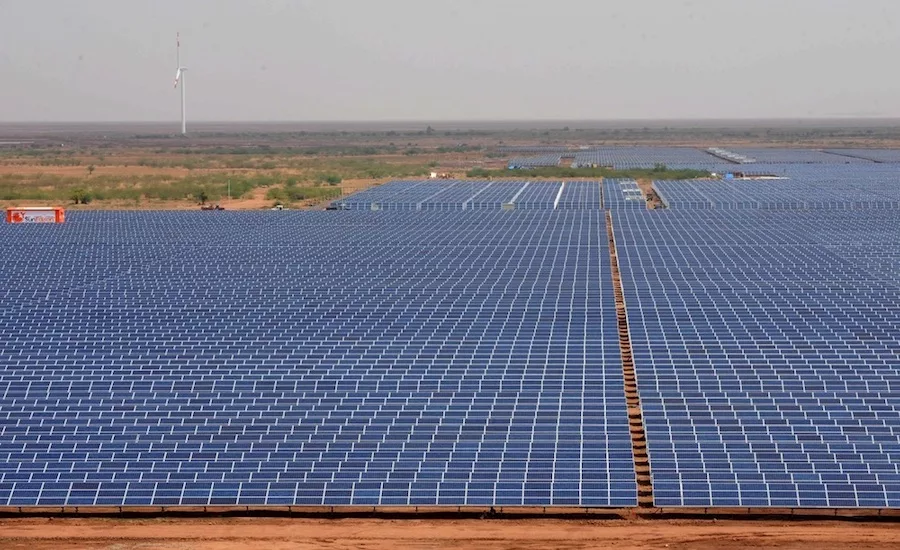
Utility-scale plantsare large solar farms that produce a lot of electricity. They supply power to the electric grid for many people. These plants use thousands of solar panels and cover large areas of land. They help reduce pollution and lower electricity costs.
Commercial systemsserve businesses and factories. These solar setups cut energy bills and provide clean power. They are smaller than utility-scale plants but still produce a significant amount of electricity. Businesses choose solar to save money and show they care about the environment.
Residential setupsare solar panels installed on homes. They help families reduce their electricity bills. These systems are the smallest type but still very useful. Homeowners can generate their own power and sometimes sell extra energy back to the grid.
Key Benefits
Solar generation facilitieshelp reduce pollution by using sunlight. They do not emit harmful gases that hurt the air. This keeps the environment cleaner and safer for people and animals.
These facilities save money over time. Solar energy lowers electricity bills. It also creates jobs in solar panel installation and maintenance. This boosts the local economy.
Solar power gives more energy independence. It reduces the need to buy power from other places. Communities can produce their own energy and use less fuel from outside sources.
Credit: www.enr.com
Site Selection Factors
Solar resource availabilitymeans how much sunlight the site gets. More sunlight means more energy from solar panels. Sites near the equator usually get more sun. Cloudy or shaded areas are less good for solar power.
Land requirementsdepend on the size of the solar plant. Large plants need lots of open space. The land should be flat or gently sloping. It should not block sunlight or be used for important farming.
Grid connectivitymeans the site must connect to the power grid. Closer to power lines means lower cost and less energy loss. Good grid access helps send electricity to homes and businesses quickly.
Technology Trends
Photovoltaic technologyhas improved a lot in recent years. Solar panels now capture more sunlight and convert it into electricity better than before. This means solar generation facilities can produce more power with less space. New materials and designs also make panels last longer and work in low light.
Energy storageis key for solar power. Batteries store extra energy for use at night or on cloudy days. This helps keep the electricity supply steady and reliable. Many facilities now use large battery banks to hold energy and release it when needed.
Smart gridsconnect solar plants with the power network. They allow better control and balance of energy flow. This means power can be sent where it is needed most. Smart grids also help monitor and fix problems quickly, making solar energy more efficient and safe.
Challenges And Solutions
Solar generation facilitiesface several challenges that affect their efficiency and operation.
Intermittency issuesarise because solar power depends on sunlight availability. Cloudy days and night time reduce energy output. Energy storage systems like batteries help store excess power for use during these times.
Regulatory hurdlesinclude permits, grid connection rules, and local laws. These can delay projects and increase costs. Clear policies and cooperation with authorities ease these challenges.
Maintenance needsinvolve regular cleaning of solar panels to remove dust and dirt. Preventive checks on equipment ensure smooth operation. Proper upkeep extends the facility’s life and boosts performance.
Future Outlook
The solar generation marketis growing fast worldwide. Many countries want to use more clean energy. This growth creates new jobs and investments. Solar power is becoming cheaper and easier to install.
Innovation in solar technology opens many doors. New solar panelsare more efficient and last longer. Energy storage systems like batteries help use solar power day and night. Smart grids make solar energy distribution smoother and smarter.
Government rules and support help solar energy grow. Policies like tax creditsand subsidies make solar projects cheaper. Many places have set goals to increase solar energy use. These rules encourage companies and people to invest in solar power.

Credit: cen.acs.org
Frequently Asked Questions
What Is A Solar Generation Facility?
A solar generation facility is a site where sunlight is converted into electricity. It uses solar panels to capture solar energy. This renewable source reduces carbon emissions and supports clean power generation.
How Do Solar Generation Facilities Work?
These facilities use photovoltaic cells to convert sunlight into electrical energy. Solar panels collect sunlight, which is then converted into direct current (DC). An inverter changes DC into alternating current (AC) for use in homes and businesses.
What Are The Benefits Of Solar Generation Facilities?
Solar facilities provide clean, renewable energy that reduces fossil fuel dependence. They lower electricity costs and minimize greenhouse gas emissions. Additionally, they promote sustainable energy practices and create local jobs in green technology sectors.
Where Are Solar Generation Facilities Typically Located?
Solar generation facilities are often built in sunny, open areas like deserts or rooftops. They require ample sunlight and space for solar panels. Locations with high solar irradiance maximize energy production and efficiency.
Conclusion
Solar generation facilities harness the sun’s energy. They help produce clean electricity. This reduces our reliance on fossil fuels. Solar plants are vital for a sustainable future. They lower carbon emissions, preserving the planet. Communities benefit from greener energy choices.
Solar facilities also create jobs, boosting local economies. Understanding their role is crucial. As technology advances, solar power becomes more accessible. Investing in solar energy promotes environmental health. It’s a step toward a cleaner world. Consider the impact of solar generation.
Our choices today shape tomorrow’s environment. Embrace solar energy for a brighter future.