
Imagine never worrying about power outages again. Picture a world where your home remains lit, your fridge keeps running, and your gadgets stay charged, even during a blackout.
This is possible with a solar generator for your home. But what exactly is a solar generator, and how can it transform your everyday life? If you’re curious about harnessing the power of the sun to keep your home running smoothly, you’re in the right place.
Dive into this article to uncover how a solar generator can offer you peace of mind, save you money, and help you contribute to a greener planet. Keep reading to discover the future of energy for your home.

Credit: rocksolar.ca
Solar Generator Basics
A solar generatorfor home uses energy from the sun to make electricity. It stores this energy in a battery. Then, it powers devices in your house.
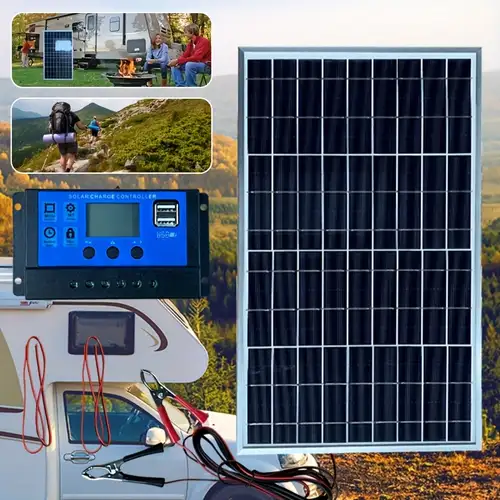
Solar panels catch sunlight and turn it into electric power. This power goes to a charge controller. The controller makes sure the battery does not overcharge or drain too much. The battery keeps the power safe for use later.
An inverterchanges the stored power into a form your home devices can use. This lets you run lights, fans, and other tools without using the grid.
| Key Component | Function |
|---|---|
| Solar Panels | Capture sunlight and create electricity |
| Charge Controller | Protect battery from overcharging or draining |
| Battery | Store electricity for later use |
| Inverter | Convert stored power to usable electricity |
Benefits For Home Use
Solar generatorsuse the power of the sun to create clean energy. This means no smoke or harmful gases. They help keep the air fresh and the earth healthy. Using solar energy is quiet and does not pollute your home environment.
Saving money is easy with solar generators. They cut down your electricity bills. Once installed, the sun’s energy is free. No more paying high costs for power from the grid.
- Energy independencemeans you don’t depend on the electric company.
- Power stays on even during blackouts.
- Good for places where electricity is not always available.
Choosing The Right Solar Generator
Power capacityis key. Choose a solar generator that meets your home needs. Small units work for charging phones or lights. Larger ones power fridges and TVs during outages. Think about how many devices you want to run at once.
Portabilitymeans you can move the generator easily. Great for camping or outdoor use. Permanencemeans the generator stays fixed at home. It usually has higher power and more storage.
| Battery Type | Advantages | Disadvantages |
|---|---|---|
| Lead-Acid | Low cost, widely available | Heavy, shorter lifespan |
| Lithium-Ion | Lightweight, long lifespan | Higher price |
| Lithium Iron Phosphate (LiFePO4) | Safe, stable, long life | More expensive upfront |
Credit: www.temu.com
Installation And Setup
Choose a dry, shaded placeto keep your solar generator safe. Avoid wet areas or direct sunlight to protect the device. Place it near your home’s main electrical panel for easy connection.
Use a stable surfacethat won’t shake or move. This helps the generator work well and last longer. Make sure there is enough space around the generator for air to flow.
- Turn off your home’s main power before connecting the generator.
- Use the correct cables to link the generator to your home’s electrical system.
- Connect the generator to critical circuits like lights and fridge first.
- Check all connections are tight and secure to avoid sparks.
- Test the system by turning on the generator and running some devices.
Maintenance And Care
Routine checks keep a solar generator working well. Check all cables and connections for damage or dirt. Clean the solar panels with a soft cloth and water to remove dust. Look for any cracks or wear on the battery case. Test the output regularly to ensure it meets your needs. Keep the generator in a dry, cool place to avoid overheating. Check the fan and vents for dust buildup and clean if needed.
Extending battery life helps save money and energy. Avoid fully draining the battery before recharging. Use the generator regularly to keep the battery active. Store the battery with a partial charge if not in use. Keep the battery away from extreme heat or cold. Follow the manufacturer’s instructions for charging cycles and storage. Proper care helps the battery last longer and perform better.
Comparing Solar Generators To Alternatives
Gas generatorsrun on fuel like gasoline or propane. They make noise and produce fumes. They can work anytime but need fuel refills. Gas generators can power many devices but can be heavy and hard to move.
Grid powercomes from electric companies. It is mostly reliable and easy to use. No need to buy fuel or charge batteries. But power can go out during storms or accidents. It also costs money every month.
| Feature | Gas Generators | Grid Power |
|---|---|---|
| Fuel Source | Gasoline or propane | Electric company |
| Noise Level | Loud | Quiet |
| Reliability | Works anytime with fuel | Mostly reliable but can fail |
| Cost | Fuel and maintenance | Monthly bills |
| Environmental Impact | Fumes and pollution | Depends on energy source |
Common Myths And Misconceptions
Many people think solar generators can power an entire home nonstop. That is not true. These generators work best for small appliances and short-term use.
Another myth is that solar generators need constant sunlight. While sunlight helps, they store energy to use later.
Some believe solar generators are very expensive. Prices vary, and many affordable options exist today.
People often say solar generators are hard to use. Actually, they are simple and need little maintenance.
Others think solar generators make noise like gas ones. They are quiet because they use clean energy.
- Myth:Solar generators run all home devices nonstop.
- Fact:Best for small devices and short use.
- Myth:Need sunlight all the time.
- Fact:Store energy to use later.
- Myth:Very costly and hard to use.
- Fact:Many affordable, easy options available.
- Myth:Noisy like gas generators.
- Fact:Quiet and clean energy source.
Future Trends In Solar Power
Technological advancesin solar power focus on better battery life and efficiency. New solar panels capture more sunlight even on cloudy days. Batteries now store more energy and last longer, helping homes stay powered overnight. Inverters have improved, making energy use smoother and safer.
Integration with smart homesallows solar generators to work with devices automatically. Systems can control when to save or use energy based on needs. Smart apps help monitor power use and battery levels easily. This makes homes more energy-efficient and reduces electricity bills.

Credit: lanpwr.com
Frequently Asked Questions
What Is A Solar Generator For Home Use?
A solar generator for home converts sunlight into electrical energy. It stores power in batteries for backup or off-grid use. It’s eco-friendly, quiet, and ideal for emergencies or daily energy needs.
How Does A Solar Generator Work At Home?
It captures sunlight through solar panels and converts it into DC electricity. The generator stores this energy in batteries. It then converts stored power to AC for home appliance use.
What Are The Benefits Of A Home Solar Generator?
Solar generators reduce electricity bills, lower carbon footprint, and provide backup power. They operate silently and require minimal maintenance. They are perfect for remote locations and emergency situations.
Can A Solar Generator Power An Entire Home?
Small solar generators power essential devices but not a whole home. Larger systems with more panels and batteries can support full home energy needs. System size depends on your energy consumption.
Conclusion
A solar generator for home offers clean and quiet power. It uses sunlight to charge batteries and run devices. This makes it great for emergencies or daily use. You save money by lowering electricity bills. It also helps protect the environment.
Easy to use and maintain, solar generators fit many homes. Choosing one depends on your power needs and budget. Solar energy brings independence and peace of mind. A smart step toward a greener lifestyle.