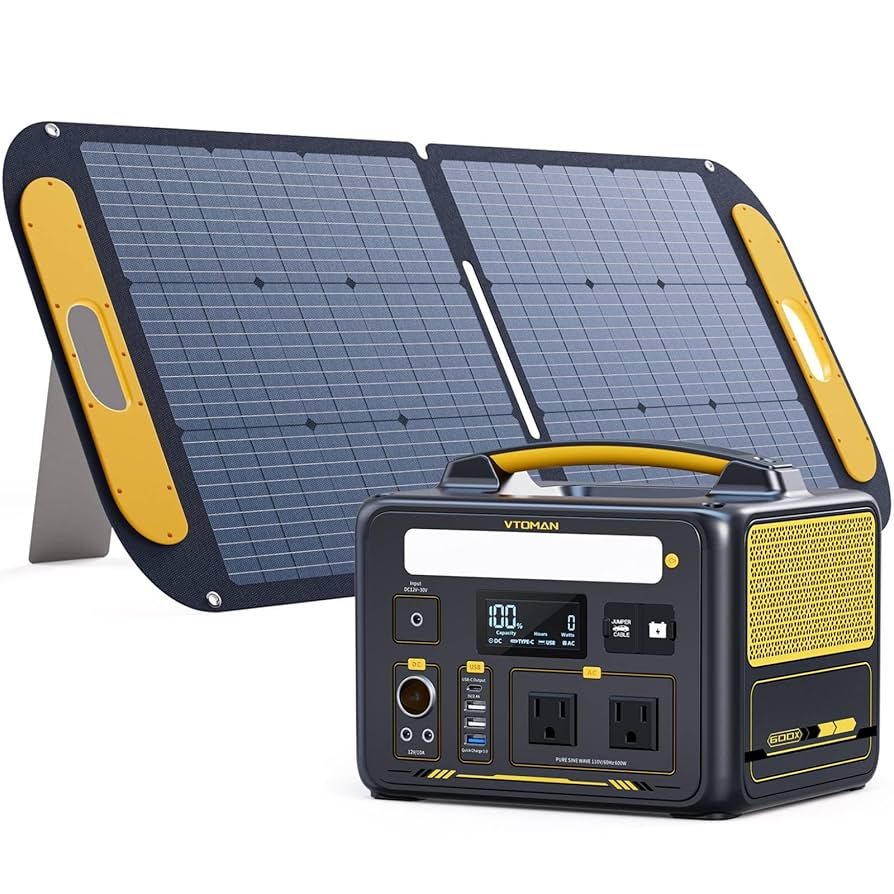
Imagine having the power to keep your generator running without constantly refueling it. A solar panel for a generator might be the solution you’ve been looking for.
But what exactly is a solar panel for a generator, and how can it transform your energy consumption? This article will dive into the world of solar panels and their role in powering generators, offering you a sustainable and efficient way to meet your energy needs.
You’ll discover how harnessing the sun’s energy can save you money, reduce your carbon footprint, and provide a reliable power source when you need it most. Curious? Let’s unravel the potential of solar energy for your generator and see how it can benefit you.
How Solar Panels Work With Generators
Solar panelscapture sunlight and turn it into electricity. This electricity is direct current (DC). Generators usually use alternating current (AC), so an inverter is needed to change DC to AC.
The solar panel’s energy can charge batteries. These batteries then power the generator or devices directly. This setup helps run the generator with clean, renewable energy.
| Type of Generator | Compatibility with Solar Panels | Notes |
|---|---|---|
| Inverter Generators | High | Works well with solar power systems |
| Standby Generators | Medium | Needs additional equipment for solar integration |
| Portable Generators | Low | Usually runs on fuel, limited solar use |

Credit: allprogenerators.com
Advantages Of Solar Panels For Generators
Solar panelshelp save money by reducing fuel use for generators. They use sunlight, which is free and abundant. This lowers the cost of running a generator over time.
They are very environmentally friendly. Solar panels do not produce smoke or harmful gases. This helps keep the air clean and protects nature.
Solar panels work quietly. They don’t need oil changes or repairs often. This means less noise and less work to keep them running well.
Portable and easy to use. Many solar panels are light and can be moved easily. This makes them perfect for camping, emergencies, or outdoor activities.
Choosing The Right Solar Panel
Choosing the right solar panel involves checking its power outputand size. Panels with higher power output can charge the generator faster. Size matters to fit the space where the panel will be placed.
Durability is key. Panels made from strong materialslike tempered glass and aluminum last longer. They can resist weather changes and rough handling.
Compatibility is important too. The solar panel must match the voltageand connector typeof the generator. This ensures smooth energy transfer and avoids damage.
Installation And Setup Tips
Place solar panelswhere they get direct sunlight all day. Avoid shade from trees or buildings. Panels should face south in the northern hemisphere for best sun exposure. Tilt angle matters; adjust it to match your location’s latitude.
Use weatherproof wiringand secure all connections tightly. Connect panels in series or parallel depending on your voltage needs. Use a charge controller to protect the battery and prevent overcharging. Check polarity carefully to avoid damage.
- Wear insulated gloves when handling wires.
- Turn off the generator before wiring.
- Keep panels and wires dry during installation.
- Use proper grounding to prevent shocks.
- Follow manufacturer safety instructions exactly.
Common Challenges And Solutions
Weather dependencyaffects solar panel output. Clouds, rain, and snow reduce power. Panels work best under direct sunlight. Using panels in shaded or rainy areas lowers energy production.
Battery storage needsare crucial for nighttime or cloudy days. Batteries store excess energy for later use. Choosing the right battery size prevents power loss. Batteries need regular checks to maintain efficiency.
Maintenance issuesinclude cleaning panels and checking connections. Dirt and debris block sunlight and reduce power. Loose wires or damaged parts can stop energy flow. Regular inspections keep the system working well.

Credit: iallpowers.com
Cost Analysis And Long-term Savings
The initial investmentfor solar panels includes the cost of panels, inverter, and installation. Prices vary but expect to pay more upfront than for a traditional generator. Solar panels last longer and require less maintenance, saving money over time.
Return on investmentusually takes a few years. Savings on fuel and maintenance add up. After that, electricity costs from the solar panel are nearly free.
| Cost Type | Solar Panel | Traditional Fuel Generator |
|---|---|---|
| Initial Cost | Higher (panels, inverter, installation) | Lower (generator purchase) |
| Fuel Cost | None (uses sunlight) | Regular fuel purchase needed |
| Maintenance | Low (cleaning, occasional checks) | Higher (engine servicing) |
| Long-Term Savings | High (no fuel cost, low upkeep) | Low (ongoing fuel and repair costs) |
Future Trends In Solar-powered Generators
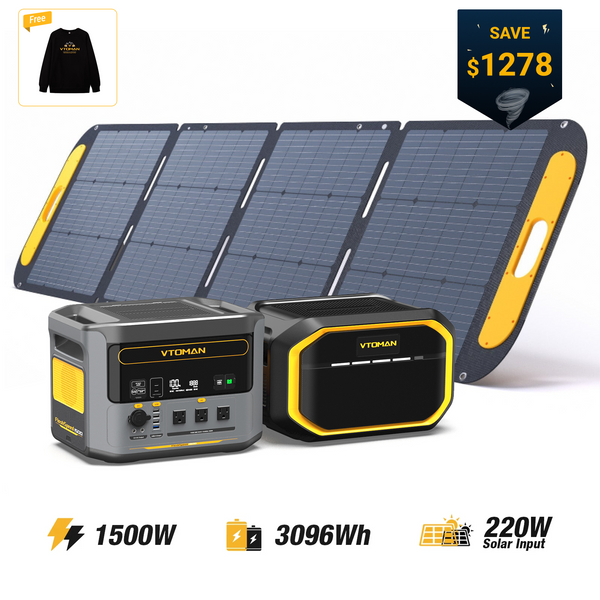
Solar-powered generators are improving fast thanks to new technologies. Panels are getting more efficientat capturing sunlight. This means they can make more power in less space.
The market demandfor these generators is growing. People want clean, quiet energy sources. Solar generators are becoming popular for camping, emergencies, and home use.
| Innovation | Description |
|---|---|
| Better Batteries | Store more energy for longer use |
| Compact Designs | Easy to carry and use anywhere |
| Smart Controls | Monitor power use and solar input |
Credit: vtoman.com
Frequently Asked Questions
What Is A Solar Panel For A Generator?
A solar panel for a generator converts sunlight into electricity. It powers the generator, reducing fuel use and emissions. It’s eco-friendly and ideal for remote areas or emergencies. This setup helps save money and provides clean, renewable energy efficiently.
How Does A Solar Panel Charge A Generator?
Solar panels capture sunlight and convert it to electrical energy. This energy flows to the generator’s battery, charging it directly. The process is silent, renewable, and cost-effective. It allows continuous power supply without traditional fuel, making it an excellent green alternative.
Can Any Generator Work With Solar Panels?
Not all generators are compatible with solar panels. Only generators with built-in solar charge controllers or battery systems work well. Portable solar generators and hybrid models are designed for solar charging. Traditional gas generators typically need additional equipment to connect solar panels.
What Are The Benefits Of Solar-powered Generators?
Solar-powered generators are quiet, clean, and require no fuel. They provide renewable energy, reducing carbon footprint and operational costs. These generators are low maintenance and perfect for outdoor use or emergencies. They enhance energy independence and promote sustainable living.
Conclusion
Solar panels provide clean, quiet power for generators. They reduce fuel use and save money. Solar energy is easy to use and good for the planet. Small setups work well for homes or camping. Solar panels help keep your generator running longer.
Choosing solar power means less noise and pollution. A solar panel is a smart choice for steady energy. It brings freedom from fuel shortages and high costs. Solar power keeps your generator ready anytime you need it. Simple, reliable, and eco-friendly—solar panels fit many needs.