
Imagine this: a storm rolls in, the lights flicker, and suddenly, your home is plunged into darkness. In that moment, you realize how much you rely on electricity for daily comforts and necessities.
But what if you had a solution that could keep your world lit and powered, no matter what nature throws your way? Enter the standby generator—a device that promises to bring peace of mind during power outages. You might be wondering what exactly a standby generator is and how it could fit into your life.
This article will demystify the concept for you, exploring how these modern marvels work, why they are essential, and how they can be your home’s hero in times of need. By the end, you’ll discover the advantages that could transform your worries into confidence, ensuring you’re never left in the dark again. Stay with us to find out how a standby generator can revolutionize your home’s resilience.

Credit: www.keefes.com
Standby Generator Basics
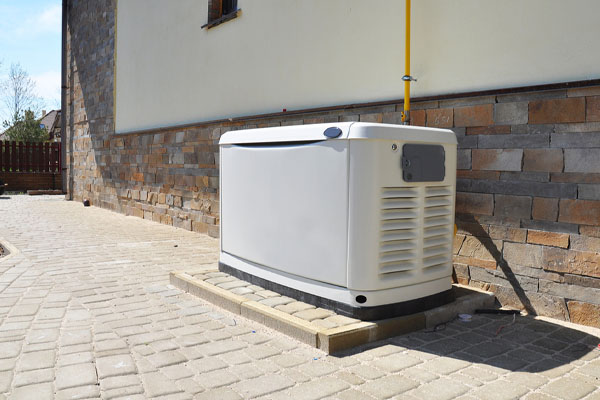
A standby generatoris a backup power source. It turns on when the main power fails. This device is connected to your building’s electrical system. It automatically detects outages. Then, it provides electricity to your home or business. It keeps your lights, fridge, and other devices running. Standby generators are essential during storms or power cuts. They ensure comfort and safety. Most run on natural gas or diesel. They are reliable and efficient for emergencies.
- Home Standby Generators:These are for residential use. They are small and quiet.
- Commercial Standby Generators:Designed for businesses. They are larger and more powerful.
- Portable Standby Generators:These can be moved easily. They are versatile for different needs.
Components Of A Standby Generator
The engine is the heart of a standby generator. It burns fuel to create power. This power turns into electricity. Engines are usually diesel or gas-powered. They must be strong and reliable. Regular maintenance is crucial for engines. This keeps them running smoothly. Engines should be checked often.
The alternator changes engine power to electricity. It generates alternating current (AC). The AC powers homes and businesses. Alternators are made of coils and magnets. They need to be kept clean and dry. Dust and moisture can damage them.
The fuel system stores fuel for the engine. It includes a tank, pipes, and a pump. Fuel can be diesel, gas, or propane. The system needs to be leak-free. Fuel levels should be monitored often. A full tank ensures long operation.
The control panel manages generator functions. It has buttons and switches. It shows important information like fuel levels and power output. Control panels can be simple or complex. They help users operate the generator easily. Regular checks ensure they work properly.
Benefits Of Standby Generators
Standby generators provide reliable power during outages, ensuring continuous operation of essential devices. These units automatically activate, safeguarding homes and businesses from disruptions.
Reliable Power Supply
Standby generatorsprovide a constant power supply. They keep your home running during outages. No more dark rooms or spoiled food. They ensure the electricity never stops.
Automatic Operation
These generators turn on by themselves. No need to press a button. Once power goes out, they start working. It’s like having a helper for your home.
Protection Against Outages
Generators protect your home from power cuts. They keep important devices on. Your fridge, lights, and heater work without stopping. This means comfort and safety for your family.
Choosing The Right Generator
Selecting the right capacity is crucial. A generator must handle your home’s power needs. Calculate the total wattage of essential appliances. This includes lights, fridge, and heater. Make a list of all necessary devices. Add up their power needs. Choose a generator that can supply this total wattage. It’s smart to pick one with a little extra power. This helps in times of unexpected use.
Generators use different fuels. Common options are gasoline, diesel, and propane. Gasoline is easy to find. It works well for small generators. Diesel engines are efficient and last longer. Propane is clean and can be stored for a long time. Each fuel has its pros and cons. Consider availability and storage needs. Choose a fuel type that best suits your situation.
Proper installation is key. Generators need space and ventilation. Place them outside, away from windows. They can produce harmful gases. Secure the unit to avoid tipping. Connect it to your home through a transfer switch. This prevents backfeeding electricity. It’s wise to hire a professional for installation. They ensure everything is safe and works well.
Installation And Maintenance
Standby generators ensure power during outages. Proper installation involves placing them on a stable surface, connecting to fuel sources, and wiring to the electrical system. Regular maintenance includes checking oil levels, inspecting connections, and testing functionality to ensure readiness in emergencies.
Professional Installation
Professional installation ensures safety and efficiency. Experts know the right steps. They connect wires and test the generator. This prevents accidents and damage. Always hire skilled technicians for the job.
Regular Maintenance
Regular maintenance keeps your generator running smoothly. Check oil levels often. Clean parts regularly. Inspect for any wear and tear. Replace old or damaged parts. Maintenance extends the generator’s life.
Troubleshooting Common Issues
Generators may face issues. Common problems include starting failures. Fuel might be low or wires disconnected. Check connections first. Listen for odd noises. Strange sounds can mean a mechanical issue. Always consult a professional for complex problems.
Credit: columbusenergies.com
Cost And Investment
Standby generators can be a significant investment, providing reliable backup power during outages. Costs vary based on size, brand, and features. Consider installation expenses and long-term maintenance for a complete understanding of total investment.
Initial Costs
The price of a standby generator depends on its size and power. A small generator may cost less, while a large one can be expensive. Installation costs are also important. Professional help might be needed. Installation can add to the overall expense.
Long-term Savings
Standby generators can save money over time. Power outages can cause losses. Generators help keep business running. They protect against damage to electronics. Over years, they may save more than their initial cost.
Financing Options
Paying for a generator can be challenging. Financing options are available. Loans or payment plans can help. Some companies offer financing directly. Research is important to find the best plan.
Future Of Standby Generators
Standby generators have seen rapid technological improvements. They are now more efficient and quieter. Many models use smart systemsfor better control. These systems allow remote monitoringand management. Enhanced fuel options ensure longer run times. Modern designs focus on compact and sleekappearances. These changes make generators more appealing.
The environment is a key concern. Standby generators are becoming more eco-friendly. New technologies reduce emissions and noise. Many use renewable fuelslike biodiesel or solar. Better efficiency means less fuel consumption. This helps the planet and saves money. Cleaner technologiesare the future for standby generators.
The market for standby generators is growing. People want reliable power sourcesduring outages. There is a rise in demand for home and businessgenerators. Prices are becoming more competitive. Consumers prefer energy-efficient models. The market is adapting to new user needs.

Credit: dustinsmechanical.com
Frequently Asked Questions
What’s The Difference Between A Standby Generator And A Regular Generator?
A standby generator automatically powers your home during outages, while a regular generator requires manual setup. Standby generators are permanently installed and connect to existing fuel sources. Regular generators are portable and need fuel refills. Standby models offer seamless power transition; regular ones need manual intervention.
What Are The Disadvantages Of A Standby Generator?
Standby generators are costly to purchase and install. They require regular maintenance and fuel storage. Noise levels can be high. They may emit harmful emissions. Initial setup can be complex and time-consuming. These factors can deter potential users from opting for standby generators.
How Long Can A Standby Generator Run Continuously?
A standby generator can run continuously for 500 hours, depending on fuel and maintenance. Regular checks ensure optimal performance. Always follow manufacturer guidelines for safe operation.
What Is The Purpose Of A Standby Generator?
A standby generator provides backup power during outages. It ensures continuous electricity to homes and businesses, preventing disruption. These generators automatically activate when the main power source fails, safeguarding against electrical interruptions. Standby generators enhance reliability and security, making them essential for maintaining operations during power loss.
Conclusion
Standby generators offer peace during power outages. They keep homes running smoothly. Lights stay on. Appliances work. Family stays safe. Their reliability is unmatched. Easy to use. Quick to start. No more worries about weather disruptions. Investing in one provides security.
It’s a smart choice. Choose wisely. Look for trusted brands. Consider your power needs. Get professional advice if needed. Standby generators are a valuable asset. Ensure your home remains comfortable and functional. Power outages can be stressful, but preparation helps.
Stay powered. Stay safe. Always ready for unexpected events.