Imagine a sudden power outage in your home. The lights go out, your refrigerator stops humming, and your electronic devices go dark.
Sounds frustrating, right? This is where a standby generator comes to the rescue. But what exactly is a standby generator, and why should you consider having one? You’ll discover the ins and outs of these handy machines and how they can keep your home running smoothly during unexpected blackouts.
You’ll learn how they work, their benefits, and what to look for when choosing one for your home. Stick around, and you’ll be equipped with all the knowledge you need to make an informed decision that keeps your life uninterrupted, even when the power isn’t on your side.
Standby Generator Basics
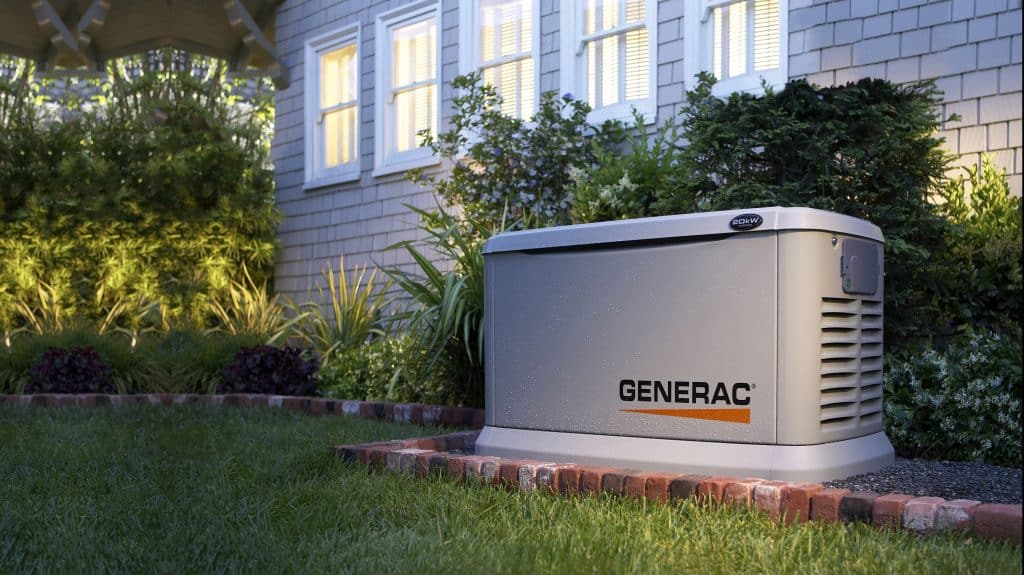
Standby generatorsstart automatically when the power goes out. They use a sensor to detect power loss. Once triggered, the generator powers your home or business. It runs on fuels like natural gas or propane. The switch back to main power happens when electricity returns. This process takes only a few seconds. It keeps devices running without interruption.
- Home Standby Generators:For residential use, smaller and quieter.
- Commercial Standby Generators:Larger units for businesses and buildings.
- Portable Standby Generators:Moveable but less automatic.
- Diesel Standby Generators:Use diesel fuel, powerful and durable.
- Natural Gas Standby Generators:Connect to gas lines, clean and efficient.
| Component | Function |
|---|---|
| Engine | Provides the power by burning fuel. |
| Alternator | Converts mechanical energy to electricity. |
| Transfer Switch | Switches power source from grid to generator. |
| Control Panel | Monitors and controls generator operations. |
| Fuel System | Stores and supplies fuel to the engine. |

Credit: www.angi.com
Benefits Of Standby Generators
Standby generatorsprovide continuous powerduring outages. They switch on automatically, keeping your home running without interruption. This means no more dark rooms or lost food in the fridge.
They add extra safetyby powering essential devices like lights and medical equipment. You can stay safe and comfortable, even when the power goes out. Convenienceis key; no need to start the generator manually or deal with noisy setups.
| Benefit | Details |
|---|---|
| Protects Appliances | Prevents damage from sudden power loss or surges |
| Home Security | Keeps alarms and cameras active during outages |
| Comfort | Maintains heating, cooling, and lighting without disruption |
Choosing The Right Generator
Power requirementsare key to choose the right generator. Calculate the total watts needed for your home or office. Include all devices that will run during an outage. This helps avoid buying a generator that is too small or too large.
Fuel options vary and affect cost and convenience. Common types are natural gas, propane, and diesel. Natural gas is often cheaper and runs continuously. Propane is easy to store and clean burning. Diesel provides strong power but needs more maintenance.
Size and capacity must match your needs. A generator too small may not handle all equipment. Too large wastes fuel and space. Check the starting and running wattsto find the right fit. A professional can help with this step.
Credit: columbusenergies.com
Installation And Maintenance
A standby generator provides automatic power during outages, keeping homes and businesses running smoothly. Proper installation ensures safety and efficiency, while regular maintenance extends its lifespan. Routine checks help avoid unexpected failures and costly repairs.
Professional Installation Tips
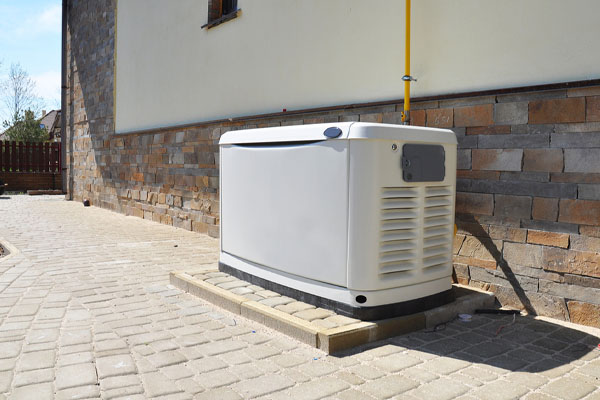
Choose a safe, dry locationfor the generator. It should be close to your main electrical panel. Hire a licensed electrician for the job. They will handle the wiring and setup properly. Ensure the unit has good ventilationto avoid overheating. Check local codes for any permits or rules. Proper installation helps the generator work efficiently and safely.
Routine Maintenance Tasks
- Check oil levels monthly and change oil yearly.
- Inspect air filters and replace if dirty.
- Test the battery and keep it charged.
- Run the generator under load to keep parts working.
- Clean the generator to remove dust and debris.
Troubleshooting Common Issues
Start by checking the fuel level and oil. Look for loose wires or connections. Listen for unusual noises during operation. Reset the circuit breaker if it trips. Replace the air filter if airflow is low. Keep the battery terminals clean and tight. Regular checks prevent many common problems.
Cost And Warranty Insights
The initial investmentfor a standby generator varies widely. It depends on the size and brand. Smaller units cost less, while larger ones are more expensive. Running costsinclude fuel and maintenance. Fuel type affects how much you pay monthly.
Warranty coverageusually lasts from 2 to 5 years. Some brands offer extended warranties for extra cost. Warranties cover parts and labor but may exclude wear items like filters and spark plugs.
| Cost Aspect | Details |
|---|---|
| Initial Investment | $500 – $10,000, depending on size and brand |
| Running Costs | Fuel, maintenance, and occasional repairs |
| Warranty | 2-5 years, covers parts and labor |
| Long-Term Savings | Less downtime, avoids costly outages |
Long-term savings come from fewer power outages. This helps avoid damage and lost work time. A standby generator pays off over several years. It keeps your home or business running during blackouts.

Credit: dustinsmechanical.com
Safety Precautions
Proper placementof a standby generator is crucial for safety. It must be installed outdoors, away from windows, doors, and vents to prevent harmful fumes from entering the home. A flat, stable surface is needed to keep the unit steady and dry. Avoid placing it near flammable materials or heavy foot traffic areas.
Carbon monoxide risksare serious. Generators produce this colorless, odorless gas that can cause poisoning or death. Never run a generator inside a home, garage, or basement. Install carbon monoxide detectors inside your home to alert you if levels become dangerous.
Emergency shutdown proceduresshould be known by everyone in the household. Turn off the generator first, then switch off the main power source. Keep the manual nearby and follow all safety instructions. Always wear gloves and eye protection when handling the generator during emergencies.
Comparing Standby Generators To Alternatives
Standby generatorsturn on automatically during power outages. They provide constant powerto your home or business. Portable generatorsneed manual setup and refueling. They are less powerful and run for shorter times.
Solar power systemsuse sunlight to create electricity. They are quiet and eco-friendly but depend on sun availability. Solar systems need batteries to store power for night use.
Battery backup solutionsstore electricity for short-term use. They work instantly but have limited capacity. Batteries need time to recharge before use again.
| Type | Power Source | Operation | Run Time | Setup |
|---|---|---|---|---|
| Standby Generator | Gas or Diesel | Automatic | Long | Permanent Installation |
| Portable Generator | Gasoline | Manual | Short | Temporary |
| Solar Power System | Sunlight | Automatic | Depends on Sun | Permanent |
| Battery Backup | Electricity Storage | Automatic | Short | Permanent |
Frequently Asked Questions
What Is A Standby Generator Used For?
A standby generator provides automatic backup power during outages. It powers essential appliances and systems to keep homes or businesses running smoothly and safely without interruption.
How Does A Standby Generator Work?
It detects power loss and starts automatically. The generator supplies electricity until utility power returns, then shuts off and waits for the next outage.
What Fuel Types Do Standby Generators Use?
Common fuels include natural gas, propane, and diesel. These fuels ensure reliable, long-lasting power supply for various standby generator models.
Are Standby Generators Noisy?
Modern standby generators are designed to operate quietly. Noise levels vary by model but generally stay within acceptable residential limits.
Conclusion
A standby generator keeps your power on during outages. It starts automatically when electricity goes out. You get peace of mind and safety at home. These generators run on fuel like gas or propane. They need regular care to work well.
Choosing the right size is important for your needs. Standby generators offer a reliable backup power source. They protect your home and family from dark and cold. Consider one to stay prepared for power loss.