
Imagine a storm is raging outside. The lights flicker, and suddenly, your home is plunged into darkness.
You scramble for candles and flashlights, but what if there was a way to keep your home powered effortlessly? Enter the whole-house standby generator with a transfer switch. This powerhouse quietly waits for the moment your electricity fails, and within seconds, restores power to your entire home.
But what exactly is this generator, and how does it make life so much easier for you? This article breaks it all down, offering you insights into how a whole-house standby generator with a transfer switch works, why it might be the perfect solution for your home, and how it can save you from the chaos of unexpected power outages. Read on, and discover how to transform your home’s resilience against power interruptions.
Whole-house Standby Generators
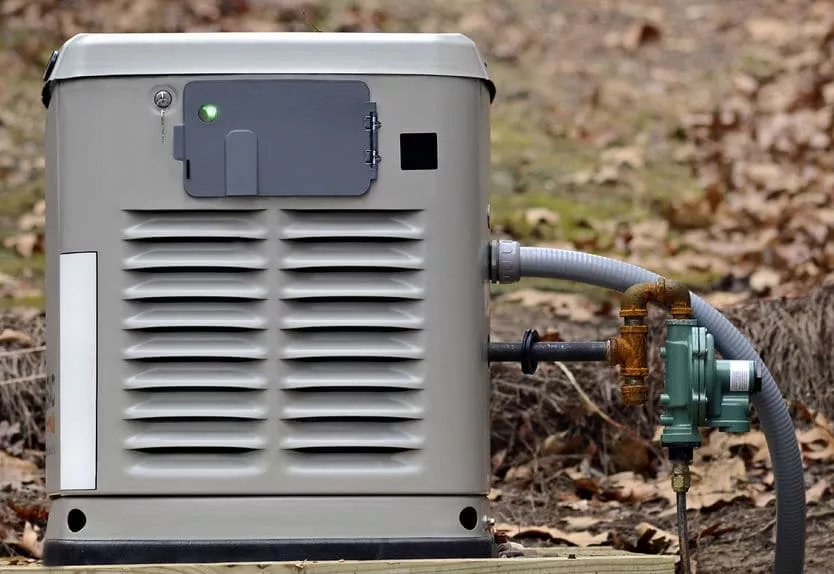
A whole-house standby generator is a backup power system. It powers your entire home during outages. It turns on automatically when the main power goes out. This keeps your lights, appliances, and devices running without interruption.
- Automatic start:The generator starts on its own within seconds.
- Transfer switch:Safely switches power from the grid to the generator.
- Continuous power:Runs for hours or days without stopping.
- Quiet operation:Designed to work with low noise levels.
- Durable build:Made for all weather conditions.
The transfer switch detects power failure. It disconnects your home from the grid. Then, it connects your home to the generator. The generator starts and supplies electricity. When power returns, the switch reconnects to the grid. The generator then shuts off automatically.
| Fuel Type | Pros | Cons |
|---|---|---|
| Natural Gas | Long-lasting supply, low cost, clean burning | Needs gas line connection, may be unavailable during disasters |
| Propane | Portable, clean burning, stores well | More expensive, limited storage tank size |
| Diesel | High energy output, reliable | Loud, produces more emissions, fuel storage issues |
Transfer Switch Basics
A transfer switchis an important part of a whole-house standby generator system. Its main purposeis to safely switch your home’s power source from the utility grid to the generator during an outage. This switch prevents electricity from flowing back to the grid, protecting utility workers and your equipment.
| Type | Description |
|---|---|
| Manual Transfer Switch | You switch power sources by hand. Simple and low-cost. |
| Automatic Transfer Switch (ATS) | Switches power automatically when the grid fails. More convenient and safer. |
Using a transfer switch adds important safety benefits. It stops backfeed, which can shock utility workers fixing power lines. It also protects your generator and home wiring from damage.
Installation Process
Site preparation requires a flat, stable area near your home. Clear debris and ensure good drainage. The generator should be close to the main electrical panel but away from windows and doors. Proper ventilation is important to avoid fumes build-up. A concrete pad or gravel bed often supports the unit.
Electrical connections must be done by a licensed electrician. The generator links to your home’s electrical panel through a transfer switch. This switch automatically moves power source from the utility to the generator during outages. All wiring must meet local electrical codes to ensure safety and reliability.
Permits and regulations vary by location. Contact your local building department before installation. They may require inspections and permits to confirm the work meets safety standards. Proper paperwork helps avoid fines and ensures your system works legally and safely.
Advantages Of Standby Generators
Automatic power restorationmeans the generator starts by itself. No need to wait or plug in devices. It keeps your home running during outages.
Home protectionis better with a standby generator. It powers security systems, refrigerators, and heating or cooling. This keeps your family safe and comfortable.
Increased property valuecomes from having a standby generator. Buyers see it as a useful feature. It makes your home more attractive and can sell faster.
Choosing The Right Generator
Choosing the right generator means picking one that fits your home’s power needs. Sizing your generatoris key. A generator too small won’t run all your devices. Too large wastes fuel and costs more. Calculate the total wattage of appliances you want to power.
Fuel efficiencymatters for saving money and running longer during outages. Generators that use less fuel for the same power are better. Check fuel type options like natural gas, propane, or diesel.
Noise levelsaffect your comfort and neighbors. Some generators run quietly, while others can be loud. Look for noise ratings in decibels (dB). Choose a generator with noise levels suitable for your area.

Credit: www.generac.com
Maintenance Tips
Routine checkskeep the generator reliable. Check oil levels often. Inspect the air filter for dirt. Make sure the battery is fully charged. Look for leaks around the fuel lines. Test the transfer switch for proper function. Clean the generator exterior to avoid dust build-up.
Seasonal maintenanceprepares the generator for different weather. Change the oil and replace the filter every 6 months. Run the generator for 20 minutes monthly to keep parts moving. Check coolant levels before winter. Store fuel properly to avoid contamination. Keep the area around the generator clear of snow or debris.
Troubleshooting common issuescan save time and money. Listen for strange noises during startup. Check fuel supply if the generator won’t start. Inspect spark plugs for wear or damage. Reset circuit breakers if the power fails. Consult the user manual for error codes. Contact a technician if problems persist.
Cost Considerations
The initial investmentfor a whole-house standby generator with a transfer switch includes the cost of the generator, transfer switch, and professional installation. Prices vary by size and brand, typically ranging from a few thousand to several thousand dollars.
Operating expensescover fuel (natural gas, propane, or diesel), routine maintenance, and occasional repairs. These costs depend on usage frequency and fuel prices in your area.
Long-term savingscome from avoiding food spoilage, reducing downtime during power outages, and protecting appliances from damage. A standby generator can also increase your home’s value and provide peace of mind.

Credit: www.championpowerequipment.com
Backup Power Scenarios
Storms can cause sudden power cuts. A whole-house standby generator with a transfer switch turns on automaticallyto keep lights and appliances running. It prevents food spoilageand keeps heating or cooling systems working.
Power outages can last for hours or days. This generator provides continuous electricitywithout the need for manual setup. Homes stay safe, warm, and comfortable during long blackouts.
- Backup power supports emergency devices like medical equipment.
- It keeps communication devices charged and ready.
- It helps families stay prepared for unexpected events.
Credit: www.premium-electric.ca
Frequently Asked Questions
What Is A Whole-house Standby Generator?
A whole-house standby generator powers your entire home during outages. It automatically starts when power fails, ensuring uninterrupted electricity. It connects to your home’s electrical system and runs on fuel like propane, natural gas, or diesel. It offers reliable backup energy for all essential appliances.
How Does A Transfer Switch Work With Generators?
A transfer switch safely switches power source from the grid to the generator. It prevents backfeeding electricity to power lines, protecting utility workers. It ensures seamless power transfer and avoids damage to your home’s electrical system. It is essential for safe generator operation.
Why Choose A Standby Generator Over Portable Generators?
Standby generators offer automatic operation and higher power capacity. They run on steady fuel supplies like natural gas, unlike portable ones. They provide whole-home coverage and require less manual setup. They are safer and more reliable for long-term power backup.
Can A Standby Generator Power All Home Appliances?
Yes, a whole-house standby generator can power all essential appliances. It supports heating, cooling, lighting, and kitchen appliances simultaneously. Generator size and capacity must match your home’s power needs. Proper installation ensures it handles the entire electrical load safely.
Conclusion
A whole-house standby generator with a transfer switch keeps your home powered during outages. It starts automatically when the power goes out. The transfer switch safely moves electricity from the generator to your home. This system protects your appliances and keeps your family comfortable.
It gives peace of mind during storms or blackouts. Choosing the right generator depends on your home’s size and needs. Proper installation and maintenance help the system work well for years. A standby generator is a smart choice for reliable home power backup.