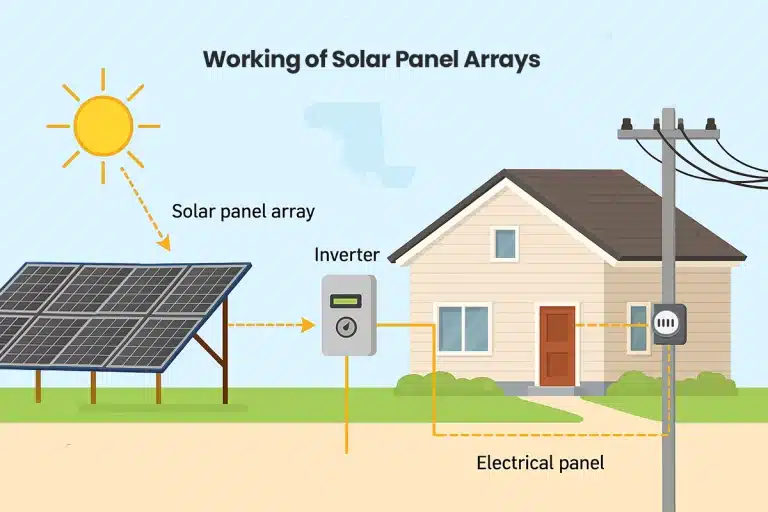
Are you curious about how solar generators harness the power of the sun to keep your devices running smoothly? One key component that makes this possible is the array.
But what exactly is an array in a solar generator, and why should you care? Understanding this crucial element can make all the difference in maximizing your solar setup’s efficiency and reliability. Imagine never worrying about power outages or dead batteries again, and feeling confident in your eco-friendly energy choices.
Dive into this article to uncover the secrets of solar arrays and learn how they can transform your approach to sustainable living.
Solar Generator Basics
Solar panelsare the main part of a solar generator. They catch sunlight and turn it into electricity. The power made depends on the size and numberof panels used. Panels work best in direct sunlight but can still produce energy on cloudy days.
Solar panels are made of many small parts called solar cells. These cells are joined together to form an array. An array means many panels connected to make more power. The more panels in the array, the more power you get.
The solar array sends power to the batteryinside the generator. This battery stores energy for use when the sun is not shining. The solar panel array is the first step in getting clean, free energy from the sun.

Credit: solarsme.com
Array In Solar Generators
An arrayin a solar generator is a group of solar panels linked together. These panels work as a team to collect sunlight and turn it into electricity.
The main purposeof the array is to increase the power output. More panels mean more energy can be made. This helps the generator run more devices or charge batteries faster.
Arrays also help by spreading the sunlight collection over a bigger area. This makes the system more reliable and efficient.
- Series Array:Panels are connected end-to-end. This raises the voltage.
- Parallel Array:Panels are connected side-by-side. This raises the current.
- Hybrid Array:Combines series and parallel connections for balanced voltage and current.
Series Vs Parallel Arrays
Series arraysconnect solar panels end to end. This setup adds voltagewhile current stays the same. It is useful when higher voltage is needed to charge a battery or run an inverter.
Parallel arrayslink panels side by side. This arrangement adds currentbut keeps voltage steady. It helps when more current is required for power-hungry devices.
| Connection Type | Voltage | Current | Power Output |
|---|---|---|---|
| Series | Increases (sum of voltages) | Same as one panel | Voltage × Current (same current) |
| Parallel | Same as one panel | Increases (sum of currents) | Voltage × Current (higher current) |
Designing Efficient Arrays
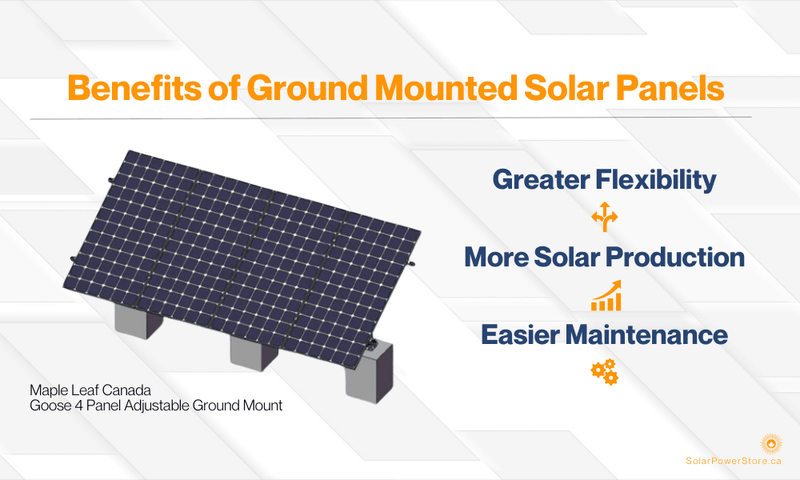
Optimizing panel placementmeans arranging solar panels to catch the most sunlight. Panels should face the sun directly. Avoid shadows from trees or buildings. Space panels evenly to allow airflow and cooling. This helps panels work better and last longer.
Balancing load and capacityis key for a good solar generator array. Make sure the total power from panels matches the device’s needs. Too much power can waste energy. Too little power won’t keep devices running. Use batteries to store extra energy for cloudy days or night use.
| Aspect | Tip |
|---|---|
| Panel Direction | Face panels south in the northern hemisphere |
| Spacing | Leave room to prevent shadows and heat |
| Load Matching | Match panel output to device power needs |
| Energy Storage | Use batteries to save extra power |
Common Challenges
Shading issuescan cause big problems for solar generator arrays. Even a small shadow on one panel lowers the power output of the whole array. This happens because the panels are connected in a series. The shaded panel acts like a weak link and reduces the current flow.
Mismatch lossesoccur when panels in an array have different power ratings or ages. This difference causes some panels to produce less power than others. The total energy output drops because the array works at the level of the weakest panel.
- Shading blocks sunlight on panels.
- Shadows reduce the current in the whole string.
- Different panel types cause mismatch losses.
- Older panels produce less power than new ones.
- Mismatch lowers the total energy from the array.
Credit: solarpowerstore.ca
Maintenance Tips
Regular inspection helps keep the solar generator array working well. Check all wires and connections for any damage or loose parts. Look for signs of rust or wear that can affect performance. Make sure the panels are free of cracks or dirt.
Cleaning the panels often is very important. Dust, leaves, and bird droppings reduce power output. Use a soft cloth and water to wipe the surface gently. Avoid harsh chemicals that can damage the panels.
Repair any damage quickly to avoid bigger problems. Replace broken parts or damaged wires as soon as possible. Keep a record of all inspections and repairs to track the array’s health.
Future Trends
Solar generator arrays connect multiple solar panels to increase power output. Future trends focus on smarter, more efficient arrays for better energy use. Advances may bring easier setup and improved performance in various weather conditions.
Advanced Materials
Advanced materialsimprove solar panels by making them lighter and stronger. New types of solar cellscan capture more sunlight, even in low light. These materials last longer and resist weather better. This means solar arrays can work well for many years with less damage and maintenance.
Smart Array Technologies
Smart arrays use sensorsand softwareto track the sun’s movement. They adjust panel angles to get the most sunlight all day. This makes solar generators more efficient. Some systems can even fix small problems on their own. This helps save energy and keeps the power steady.

Credit: solarsme.com
Frequently Asked Questions
What Is An Array In A Solar Generator?
An array in a solar generator is a group of solar panels linked together. It collects sunlight and converts it into electricity efficiently. Arrays increase power output by combining multiple panels, making solar generators more effective for energy production.
How Does A Solar Panel Array Work?
A solar panel array captures sunlight through multiple panels. Each panel generates direct current (DC) electricity. The combined output flows to an inverter, which converts DC to usable alternating current (AC) for powering devices.
Why Are Arrays Important For Solar Generators?
Arrays boost the total energy produced by linking multiple panels. This setup improves efficiency and power capacity. Arrays allow solar generators to meet higher energy demands and provide consistent power output.
Can I Customize The Size Of A Solar Array?
Yes, solar arrays are customizable. You can add or remove panels to match your energy needs. Custom arrays optimize performance and fit available space, making solar generators flexible for various applications.
Conclusion
An array in a solar generator holds solar panels together. It collects sunlight and changes it to electricity. This helps power your home or devices. Choosing the right array size matters. It affects how much energy you get. Understanding arrays helps you use solar power better.
Simple and clear knowledge saves time and money. Solar energy becomes easier to use and trust. Keep learning to make smart energy choices. Arrays play a key role in clean energy.