
Are you trying to find the perfect power solution for your home, RV, or outdoor adventures? If so, you’ve likely come across two popular options: inverter generators and traditional generators.
But what exactly is the difference between them, and which one is right for your needs? Understanding the nuances between an inverter generator and a standard generator can be the key to making an informed decision that could save you money, time, and unnecessary stress.
Imagine enjoying a quiet, peaceful camping trip without the constant drone of a generator, or having a reliable backup power source that won’t let you down during an unexpected power outage. We’ll break down the pros and cons of each type of generator in a way that’s easy to digest. We’ll arm you with the knowledge you need to confidently choose the best power solution for your specific situation. So, are you ready to discover which generator is your perfect match? Keep reading to find out!
Credit: itechworld.com.au
Inverter Generator Basics
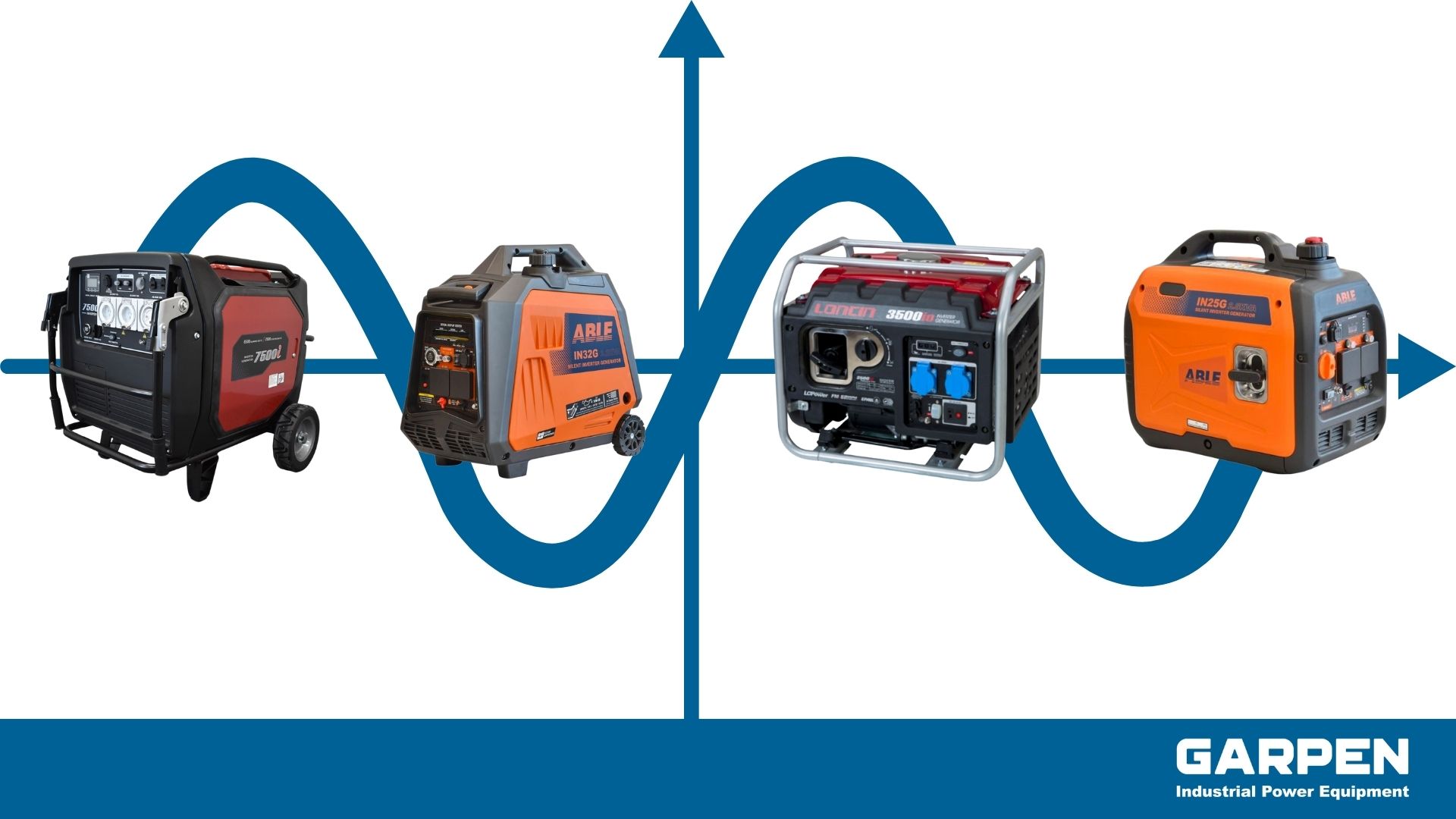
Understanding inverter generators starts with appreciating their unique ability to produce clean and stable power. Unlike traditional generators, inverter generators are designed to provide a consistent flow of electricity, making them ideal for sensitive electronics. But what makes them tick? Let’s dive into the basics.
What Is An Inverter Generator?
An inverter generator is a compact machine that generates AC power and converts it into DC power before inverting it back to AC. This process ensures a stable and reliable electricity output. It’s particularly useful for powering devices like laptops and smartphones, which require consistent current to function properly.
How Inverter Generators Work
Traditional generators run at a constant speed, whereas inverter generators adjust their speed based on the demand for power. This capability not only makes them more fuel-efficient but also quieter. Imagine camping without the constant roar of a generator—sounds appealing, right?
Advantages Of Inverter Generators
- Portability:Their lightweight design makes them easy to transport.
- Fuel Efficiency:They use less fuel, saving you money over time.
- Reduced Noise Levels:Ideal for residential use and outdoor activities.
Real-life Applications
Picture this: You’re at a tailgate party, and your phone needs charging. An inverter generator is your best friend here. Or, consider a power outage at home where you need to keep your fridge running. These devices can seamlessly support a variety of scenarios, offering peace of mind when you need it most.
Choosing The Right Inverter Generator
When selecting an inverter generator, consider the wattage requirements of your devices. Think about where you plan to use it and how much power you’ll need. A small portable unit might suffice for camping, while a larger model could be necessary for home backup during emergencies.
Credit: garpen.com.au
Traditional Generator Basics
Understanding inverter generators versus traditional generators is essential. Inverter generators offer quieter operation and better fuel efficiency. Traditional generators, on the other hand, provide more power for larger equipment.
Traditional generators have been the backbone of portable power for years. They are known for their reliability and robust construction. Understanding how they work is key to choosing the right power source for your needs.How Traditional Generators Work
Traditional generators convert mechanical energy into electrical energy. They use a fuel-powered engine, typically running on gasoline or diesel. This engine drives an alternator to produce electricity. The process involves generating a steady output of power. This makes traditional generators ideal for heavy-duty tasks.Components Of A Traditional Generator
A traditional generator consists of several key components. The engine is the power source, usually running at a fixed speed. The alternator produces electricity from the mechanical energy. The fuel system stores and supplies fuel to the engine. The voltage regulator ensures consistent voltage output. Additionally, there is a cooling and exhaust system to manage heat and fumes.Applications Of Traditional Generators
Traditional generators are versatile and widely used. They are perfect for construction sites and outdoor events. Homeowners also use them during power outages. Their ability to deliver stable power makes them suitable for running appliances and tools.Advantages Of Traditional Generators
Traditional generators have several benefits. They are durable and built to last. Their fuel efficiency is often higher than other types. This can save costs over long-term use. They are also easy to maintain, with spare parts readily available.Energy Efficiency
Energy efficiency is a crucial factor when choosing between an inverter generator and a conventional generator. Understanding how each operates and manages fuel can significantly impact your choice. Let’s explore their energy efficiency.
Inverter generators adjust engine speed based on power demand. This means they use fuel efficiently. Traditional generators run at a constant speed regardless of the load. This results in more fuel consumption even for smaller tasks.
Power Output
Inverters provide clean and stable power. They ensure sensitive electronics are safe from power surges. Conventional generators can produce more power but lack stability. This makes them less ideal for delicate devices.
Inverter generators operate quietly. This is due to their efficient design and variable speed. Traditional generators are noisier, as they run at full throttle continuously. Noise can be a significant factor in residential areas.
Inverters are generally more eco-friendly. They produce fewer emissions due to efficient fuel use. Regular generators emit more pollutants, affecting air quality. Opting for an inverter can be a greener choice.
Power Output And Stability
When deciding between an inverter generator and a traditional generator, understanding their power output and stability is crucial. Both types of generators serve the primary function of supplying electricity, but they do so in different ways, impacting their performance in varied scenarios. Your choice can determine how smoothly your devices operate during power outages or outdoor activities.
Power Output: Inverter Generator Vs. Traditional Generator
Inverter generators produce AC power and then convert it to DC power before inverting it back to AC. This process results in a cleaner, more stable power output that is comparable to the electricity you get from your home outlets. If you’ve ever experienced flickering lights or buzzing sounds from electronics, that’s often due to unstable power, which inverter generators minimize.
Traditional generators, on the other hand, create raw power directly through their engine-driven alternator. They are capable of producing larger wattages, making them suitable for heavy-duty tasks like running large appliances or multiple tools. However, the power they produce can fluctuate, potentially causing harm to sensitive devices.
Stability: Why It Matters
The stability of power output is vital, particularly for sensitive electronics such as laptops, mobile phones, and medical equipment. Imagine trying to work on your laptop during a blackout, and suddenly it shuts down because of unstable power. Inverter generators are designed to prevent such issues, providing consistent and reliable power.
Traditional generators might suit scenarios where you don’t have sensitive electronics to worry about, like powering construction tools. Their fluctuating power can lead to unexpected device malfunctions, so keep that in mind when planning your power needs.
Choosing Based On Your Needs
Think about what you’ll be using the generator for. Do you need power for a camping trip, ensuring your phone stays charged and your portable fridge runs smoothly? An inverter generator might be your best bet. Are you planning to power a whole house or run heavy equipment during an outage? A traditional generator could be more practical.
Your decision should reflect your specific power needs and the environment in which you’ll be using the generator. What matters most to you—consistent power for electronics or raw power for heavy-duty tasks?
Noise Levels
Inverter generators produce lower noise levels compared to traditional generators. Their advanced technology ensures quieter operation, ideal for sensitive environments. Regular generators tend to be louder due to their constant speed engine operation.
Noise levels are a critical factor when choosing between an inverter generator and a conventional generator. If you’ve ever tried to enjoy a peaceful camping trip only to be disturbed by the constant roar of a generator, you know how much noise can impact your experience. Understanding the difference in noise levels between these two types can help you make a more informed decision.Understanding Decibel Levels
A generator’s noise is measured in decibels (dB). Inverter generators typically operate at lower decibel levels compared to traditional generators. For instance, an inverter generator might operate at around 50-60 dB, which is roughly the noise level of a normal conversation. In contrast, conventional generators can reach 70 dB or more, akin to the sound of a vacuum cleaner.Why Inverter Generators Are Quieter
The quieter operation of inverter generators is due to their advanced technology. They adjust their engine speed based on the electrical demand, unlike traditional generators that run at a constant speed. This adaptability reduces both fuel consumption and noise. If quiet surroundings are a priority for you, an inverter generator is likely the better choice.Impact On Environment And Health
Consider how noise pollution affects not only the environment but also your health. Prolonged exposure to loud generator noise can lead to stress and hearing loss. Choosing a quieter inverter generator can minimize these risks. Do you want to enjoy nature without the harsh interruption of machinery? Opting for an inverter generator can make that possible.Real-world Applications
Think about where you plan to use your generator. For camping or outdoor events, a quieter inverter generator allows you to enjoy the ambiance without disturbance. If you live in a residential area, a noisy conventional generator might annoy neighbors. Reflect on your specific needs and surroundings when deciding which type to purchase.Portability And Size
Inverter generators are compact and lightweight, making them easy to transport. Traditional generators often weigh more and take up more space. Ideal for camping or travel, inverter models offer convenience without sacrificing power.
Portability and size are crucial factors when choosing between an inverter generator and a conventional generator. Understanding these aspects can help you select the right equipment for your needs. Smaller, lighter models are easier to transport and store, making them ideal for camping or tailgating. Let’s delve into how these two types of generators differ in portability and size.Inverter Generator: Compact Design
Inverter generators are known for their compact and lightweight design. They often weigh less than traditional generators, making them easy to carry. Their streamlined build is perfect for outdoor activities and emergencies. Some models have handles or wheels, further enhancing their portability.Generator: Bulkier Build
Traditional generators usually have a larger and bulkier build. They are designed for heavy-duty tasks and can power larger appliances. Their size makes them less convenient to move. Storage requires more space, and transportation can be challenging without wheels or handles.Ease Of Transportation
Inverter generators excel in ease of transportation due to their lightweight nature. They fit comfortably in vehicles and are simple to maneuver. Traditional generators require more effort to move, often needing a trolley or extra assistance.Storage Considerations
Storing an inverter generator is straightforward thanks to its compact size. It fits well in small spaces, like closets or garages. A traditional generator demands more room due to its bulk. Ensure ample space for safe storage if choosing a larger model.Ideal For Outdoor Activities
Inverter generators are perfect for outdoor activities like camping or tailgating. Their portability allows easy setup in various locations. Traditional generators are suited for stationary use, powering homes or businesses during outages.Fuel Consumption
Inverter generators offer efficient fuel consumption compared to traditional generators. They adjust engine speed to meet power needs, saving fuel. Conventional generators run at constant speed, often wasting fuel during low power demand.
Fuel consumption is a key factor in choosing between an inverter generator and a conventional generator. Understanding how each type uses fuel can help you make a more informed decision. This section will explore the fuel efficiency of both options, helping you find the right fit for your needs.How Inverter Generators Use Fuel Efficiently
Inverter generators adjust engine speed to match power demand. This feature significantly reduces fuel consumption. It operates more quietly and efficiently. For example, if you’re using less power, the engine runs slower, using less fuel. This makes inverter generators ideal for fuel-conscious users.Fuel Consumption In Conventional Generators
Conventional generators run at a constant speed, consuming more fuel. They do not adjust to power demand. This results in higher fuel usage, even when power needs are low. It’s less efficient for those needing variable power levels. Conventional generators are better for steady, high-demand use.Factors Influencing Fuel Efficiency
Several factors influence fuel efficiency in both types:- Engine size: Larger engines consume more fuel.
- Load: Higher loads increase fuel consumption.
- Running time: Longer operation uses more fuel.
Environmental Impact
Inverter generators produce cleaner energy and operate quietly, reducing noise pollution. Traditional generators consume more fuel and emit higher levels of pollutants, impacting the environment.
Inverter generators and traditional generators both provide power, but their environmental impacts differ. Understanding these differences helps in choosing the right device for eco-conscious users. Inverter generators are often praised for their environmental benefits. They offer cleaner energy, which reduces harmful emissions.Lower Emissions
Inverter generators produce fewer emissions than traditional generators. They adjust their engine speed based on load demands. This efficiency results in less fuel consumption and reduced exhaust gases. Traditional generators run at a constant speed, leading to higher emissions.Fuel Efficiency
Inverter generators are more fuel-efficient. They use advanced technology to manage fuel consumption. This means less fuel burned, which reduces the carbon footprint. Conventional generators consume more fuel, impacting the environment negatively.Noise Pollution
Inverter generators operate quietly. This low noise level minimizes noise pollution in the environment. Traditional generators are louder, contributing to noise pollution that affects wildlife and human health.Energy Conservation
Inverter generators are designed for energy conservation. They produce clean energy suitable for sensitive electronics. This reduces the risk of energy wastage, promoting sustainable power use. Traditional generators lack this energy efficiency.Cost Considerations
Evaluating cost differences is crucial when choosing between an inverter generator and a conventional generator. Inverter generators usually have a higher upfront cost but offer efficiency and quieter operation. Traditional generators are often less expensive initially, but may incur higher fuel and maintenance costs over time.
When deciding between an inverter generator and a traditional generator, understanding the cost implications is crucial. Both have unique advantages and cater to different needs. Let’s break down the cost considerations to help you make a well-informed decision.Initial Purchase Price
Inverter generators are typically more expensive upfront. They offer advanced technology and quieter operation, which increases their price. Traditional generators are more budget-friendly initially, suitable for those with simple needs.Fuel Efficiency
Inverter generators are designed for optimal fuel efficiency. They adjust engine speed based on power demand, reducing fuel consumption. Traditional generators run at a constant speed, consuming more fuel over time.Maintenance Costs
Inverter generators require less maintenance due to their efficient design. Fewer parts mean fewer chances for breakdowns. Traditional generators, with more moving parts, may incur higher maintenance costs.Long-term Investment
Inverter generators provide reliable performance over time, justifying their higher initial cost. They can save money in the long run. Traditional generators might need more frequent repairs, affecting their cost-effectiveness.Usage Frequency
Consider how often you’ll use the generator. Inverter generators are ideal for regular use and sensitive electronics. If only needed occasionally, a traditional generator might be more cost-effective. Inverter generators produce less noise and emissions, contributing to a cleaner environment. Traditional generators can be louder and less eco-friendly, impacting their overall cost through environmental considerations.Applications And Use Cases
Inverter generators offer quieter operation and better fuel efficiency, ideal for camping and tailgating. Standard generators deliver higher power output, suitable for job sites and home backup during outages. Each serves different power needs effectively.
When deciding between an inverter generator and a traditional generator, it’s essential to understand where each shines. Both have distinct applications and use cases, and knowing these can help you make the right choice. Whether you’re planning a camping trip, preparing for a power outage, or working on a construction site, each generator type offers specific benefits.Home Backup Power
Inverter generators are perfect for home backup during outages. They provide stable and clean energy, making them safe for sensitive electronics like laptops and phones. Traditional generators, on the other hand, are more suited for powering larger appliances like refrigerators and air conditioning units due to their higher power output.Outdoor Recreation
For outdoor enthusiasts, inverter generators are a top choice. They’re quieter and more portable, ideal for camping trips or tailgating parties. You can enjoy the great outdoors without the roar of a standard generator disrupting the peace.Construction Sites
Construction sites often require heavy-duty power tools. Traditional generators are more powerful, making them well-suited for this environment. They can handle multiple tools at once, ensuring your projects stay on track.Events And Gatherings
Hosting an event? Inverter generators are excellent for providing power at weddings, festivals, or backyard parties. Their quiet operation ensures that conversations and music aren’t drowned out by noise, creating a more pleasant atmosphere.Emergency Preparedness
In emergency situations, having a reliable power source is crucial. Both types of generators can be vital, but your choice depends on your needs. Inverters offer reliability for critical devices, while traditional generators can support broader power needs. Consider your specific scenario. Are you looking for something portable and quiet, or do you need robust power for demanding tasks? Understanding these use cases can guide your decision, ensuring you choose a generator that meets your exact requirements.Maintenance Requirements
Inverter generators demand less maintenance due to their efficient design and quieter operation. Regular generators require more frequent oil changes and filter replacements. Both need periodic checks to ensure optimal performance and longevity.
Maintaining your generator is crucial to ensure its longevity and performance. Whether you choose an inverter generator or a conventional generator, understanding their maintenance requirements can save you time and money. Let’s dive into what you need to know to keep these powerhouses running smoothly.Oil Changes And Fluid Checks
Regular oil changes are vital for both inverter generators and traditional generators. Oil lubricates the engine’s moving parts, reducing wear and tear. Aim to change the oil every 50-60 hours of use. Don’t forget to check other fluids like coolant and fuel stabilizers. Keeping these levels in check will prevent overheating and fuel degradation.Air Filter Cleaning
A clean air filter is essential for optimal generator performance. Dust and debris can clog the filter, restricting airflow and causing the engine to overheat. Check the air filter every few months and clean or replace it as needed. A simple brush or vacuum cleaner can help remove dirt particles.Spark Plug Inspection
The spark plug is a small yet critical component. It ignites the fuel-air mixture, powering your generator. Inspect the spark plug every 100 hours of use. Replace it if you notice signs of wear, such as carbon buildup or a burnt electrode. A fresh spark plug ensures smooth engine starts.Battery Maintenance For Electric Start Models
If your generator features an electric start, keeping the battery in good condition is essential. Check the battery terminals for corrosion and clean them with a mixture of baking soda and water. Ensure the battery stays charged, especially if you store the generator for long periods. A trickle charger can help maintain the battery’s charge.Fuel System Care
Stale fuel can lead to clogged carburetors and poor engine performance. Use fresh fuel and add a fuel stabilizer if storing the generator for over 30 days. Drain the fuel system before long-term storage to prevent gum deposits. This simple step can save you from costly repairs in the future. Are you ready to roll up your sleeves and give your generator the care it deserves? With these straightforward maintenance tips, you can keep your investment running efficiently for years.
Credit: campernation.co.uk
Frequently Asked Questions
What Is Better, A Generator Or An Inverter Generator?
Inverter generators are often better for sensitive electronics. They provide cleaner and more stable power. Regular generators are suitable for heavy-duty tasks. Choose based on your power needs and usage frequency. Inverter generators are quieter and more fuel-efficient, making them ideal for camping or residential use.
What Are The Disadvantages Of An Inverter Generator?
Inverter generators often have higher upfront costs compared to traditional models. They can also produce less power and may require more maintenance. Noise levels can be higher at maximum output. Fuel efficiency might decrease under heavy load, impacting operational costs over time.
Can I Run A Refrigerator On An Inverter Generator?
Yes, you can run a refrigerator on an inverter generator. Ensure the generator’s power output matches the refrigerator’s wattage. Inverter generators provide stable power, ideal for sensitive appliances like refrigerators. Always check the generator’s capacity and your refrigerator’s requirements before use.
Can An Inverter Generator Run A Whole House?
An inverter generator can power a whole house, but only if it has sufficient wattage. Most inverter generators are ideal for essential appliances and electronics. For entire home coverage, choose a high-wattage model. Always calculate your home’s total power requirements to ensure compatibility.
Conclusion
Choosing between an inverter generator and a traditional generator depends on your needs. Inverter generators offer quiet operation and fuel efficiency. Perfect for camping and outdoor events. Traditional generators provide higher power output. Ideal for construction sites or home backup.
Both types have their advantages. Consider noise levels, fuel efficiency, and power needs. Evaluate your situation and decide which suits you best. Understanding the differences helps in making an informed choice. A reliable power source enhances convenience and safety. Make the right choice for peace of mind.