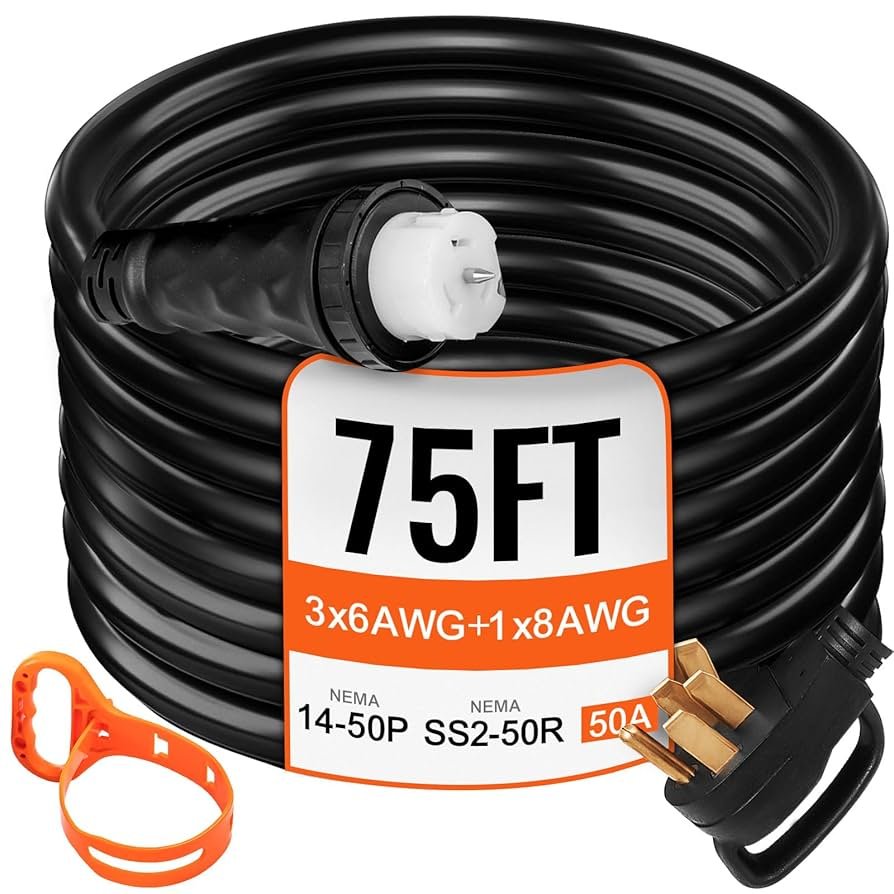
Imagine you’re all set for a weekend camping trip or an outdoor event, and your generator is ready to power up your essentials. But wait—do you have the right cable to ensure everything runs smoothly?
Choosing the best generator cable for outdoor use can make all the difference between a seamless experience and unexpected hiccups. You want reliability, durability, and peace of mind knowing that your power connection is secure. In this guide, we’ll dive into everything you need to know about selecting the perfect generator cable that meets your outdoor needs.
Stick around to discover how the right choice can enhance your outdoor adventures and keep your power flowing without a hitch.
Types Of Generator Cables
Extension cordsand generator cablesserve different purposes. Extension cords are made for light indoor use, while generator cables handle higher power outdoors. Generator cables have thicker insulation and stronger wires to resist weather and heavy loads.
Materialsin cables affect durability and safety. Most outdoor cables use copper wiresfor good conductivity. The insulation is usually made of rubberor PVCto protect against water and sunlight.
| Cable Gauge | Use Case | Important Notes |
|---|---|---|
| 10 AWG | Small generators, short distances | Good for up to 30 amps |
| 8 AWG | Medium generators, longer distances | Handles up to 50 amps safely |
| 6 AWG | Large generators, long distances | Supports up to 65 amps |
Choosing the correct cable gaugeis key. Thicker cables carry more power without heating up. This keeps the connection safe and efficient.
Key Features For Outdoor Use
Weather resistancemeans the cable can handle rain, sun, and cold. It should have a strong outer layer that stops water from getting in. The cable cover must also resist heat and UV rays. This helps the cable last longer outside without damage.
Durability and flexibilityare important for outdoor cables. The cable should be tough to avoid cuts and breaks. At the same time, it needs to bend easily for quick setup and storage. A cable that is both strong and flexible is easier to use.
Safety ratings and certificationsshow the cable is safe to use. Look for labels like UL or CSA. These marks prove the cable meets strict safety rules. A certified cable lowers the risk of shocks or fires during use.
Choosing The Right Cable Length
Choose a cable long enough to reach from the generatorto the appliance. A cable that is too short can cause dangeror damage. Too long a cable may lead to voltage drop, which makes your devices work less well.
Voltage drop happens when electricity loses power over distance. Use a cable with a larger gaugeto reduce this. Thicker cables carry power better and keep your devices safe.
Store cables in a dry, cool place to avoid damage. Coil the cable gently to stop knotsand breaks. Never pull the cable hard from plugs.
- Measure the exact distance before buying a cable
- Use a cable with proper thickness (gauge)
- Keep cables away from water and sharp edges
- Check for damage before each use
- Store cables coiled and off the ground

Credit: www.amazon.com
Power Capacity And Cable Gauge
Choosing the right cable gaugeis key to handling a generator’s power output safely. The cable size must match the generator’s amp rating. Using a cable too thin for the amps can cause overheatingand fire risks.
Generators with higher power need thicker cables. Thicker cables carry more current without heating up. The amp rating tells how much current the cable must carry.
| Generator Output (Amps) | Recommended Cable Gauge (AWG) |
|---|---|
| 0 – 15 Amps | 14 AWG |
| 16 – 30 Amps | 12 AWG |
| 31 – 50 Amps | 10 AWG |
| Over 50 Amps | 8 AWG or thicker |
Using the correct cable gauge helps in preventing overheatingand power loss. It keeps the generator and connected devices safe.
Top Brands And Products
Trusted manufacturersproduce cables made for tough outdoor use. These brands use durable materialsthat resist water, heat, and cold. Their cables often have heavy insulationto protect against damage and keep power flowing safely.
Popular modelsinclude those with thick copper wiresand weatherproof jackets. They come in different lengths and power ratings to suit various outdoor needs. Some models have extra flexibilityfor easy handling and storage.
Customer reviews often praise cables for their long lifeand safe performance. Ratings highlight cables that stay strong after heavy rain or sun exposure. Many buyers note the cables are easy to plug inand work well with generators of all sizes.

Credit: www.amazon.com
Maintenance And Safety Tips
Proper storagekeeps generator cables safe and ready to use. Store cables in a dry place, away from sunlight and moisture. Coil cables loosely to avoid kinks or damage. Avoid placing heavy items on cables to prevent crushing.
Regular inspection for damageis vital. Check cables for cuts, cracks, or frayed wires. Replace cables immediately if any damage is found. Damaged cables can cause electric shocks or fires.
Using cables safely outdoors means keeping them dry and clean. Avoid running cables through water or wet grass. Use cable covers to protect from sharp objects or foot traffic. Always plug cables into grounded outlets and avoid overloading them.

Credit: www.amazon.com
Frequently Asked Questions
What Type Of Cable Is Best For Outdoor Generators?
Outdoor generators need cables that are weather-resistant, durable, and flexible. Look for cables with thick insulation and a sturdy jacket to protect against moisture and UV rays. Heavy-duty, outdoor-rated extension cords or generator cables with a minimum of 10-gauge wire are ideal for safety and efficiency.
How To Choose The Right Gauge For Generator Cables?
Choose a cable gauge based on the generator’s wattage and distance from the power source. Thicker cables (lower gauge numbers) carry more current safely over longer distances. For most outdoor generators, 10 or 12 gauge cables are recommended to prevent voltage drops and overheating.
Can I Use Indoor Cables For Outdoor Generator Use?
No, indoor cables lack the necessary insulation and protection for outdoor environments. Using indoor cables outdoors risks electric shock, damage, and fire hazards. Always use cables labeled for outdoor use, which are designed to withstand moisture, sunlight, and temperature extremes.
How Long Can Generator Cables Safely Be Used Outdoors?
Generator cables can be used outdoors indefinitely if properly maintained and stored. Avoid prolonged exposure to harsh weather when not in use. Inspect cables regularly for wear, cracks, or damage to ensure continued safe operation.
Conclusion
Choosing the right generator cable keeps your outdoor power safe and steady. Thick, durable cables resist weather and wear. Check the cable’s length and power rating before buying. A good cable prevents power loss and hazards. Always store cables properly after use.
This simple step saves money and trouble later. Use these tips to pick the best cable for your needs. Stay powered up and worry-free during outdoor activities. Safety and efficiency go hand in hand. Your generator deserves the best connection possible.